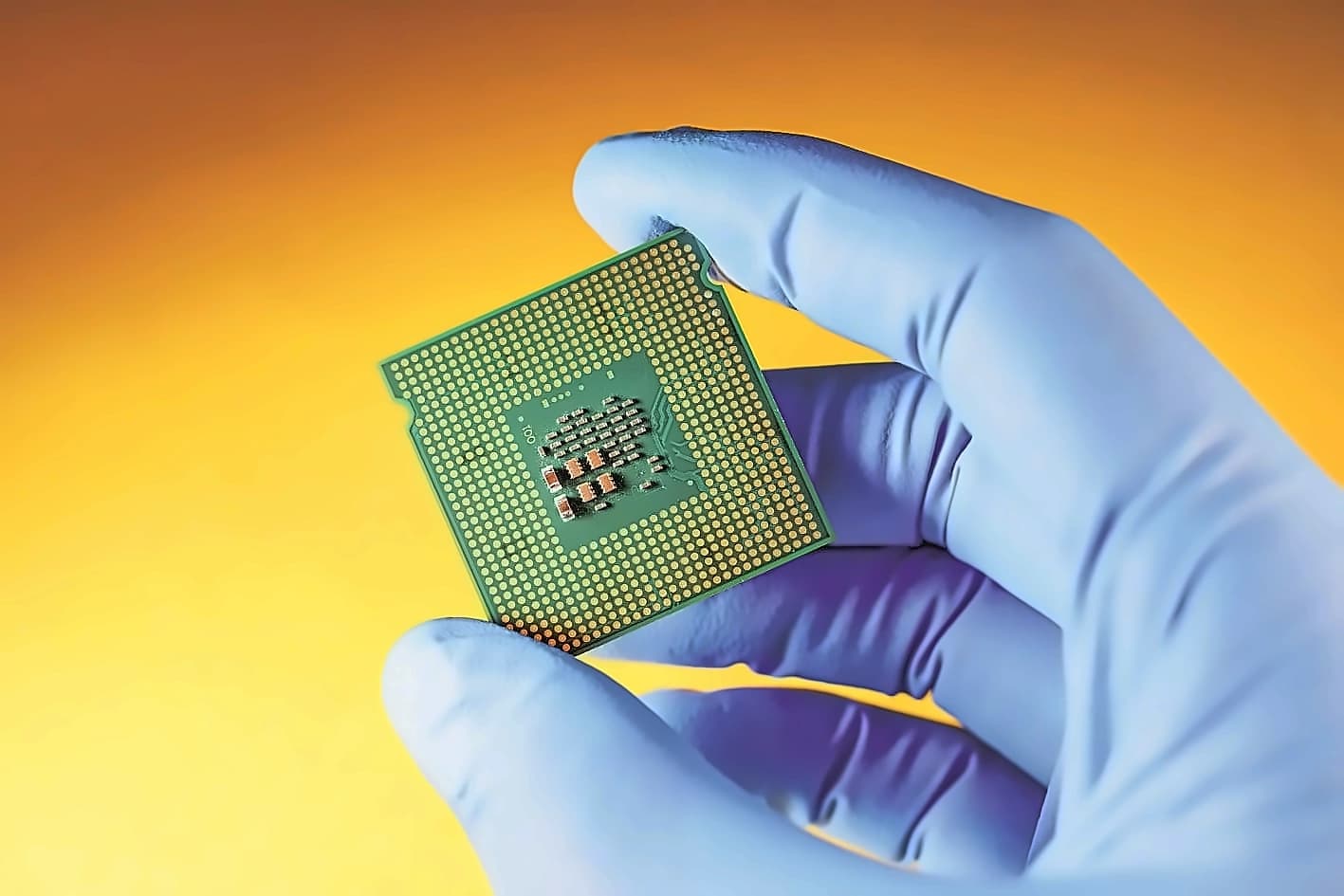
Tata Electronics Pvt. Ltd has rapidly established a network of technology suppliers outside China to reduce supply chain risks at India's largest semiconductor assembly facility. According to reports from Mint, the company has signed up at least nine non-Chinese suppliers including Singapore's ASMPT, the Netherlands' Nexperia, Japan's Fujifilm, and Malaysia's Kelington for what will be India's third outsourced semiconductor assembly and test (Osat) facility. These vendors will supply equipment, raw materials, and services to support Tata's chip packaging and assembly operations, with production scheduled to start in December 2025.
The diversification strategy addresses technology export curbs by various countries including China and recent disruptions from the West Asia war. As reported by Mint, the partnerships include ASMPT for training and servicing software, spares, wirebond circuitry and integrated circuit assembly; Nexperia for European semiconductor supply chain vendors and automotive chip testing; Fujifilm for localizing semiconductor raw material production; and Kelington for machinery and infrastructure. Typically, Osat supply chains have 55-60% of suppliers based in China, but Tata's goal was to build a diversified set of alternatives rather than completely exclude China-based partners.
The Assam Osat facility, operated under Tata Semiconductor Assembly and Test (TSAT) Pvt. Ltd, was announced on February 29, 2024, with an initial net budget of ₹27,000 crore. According to Mint, the project is part of Tata's broader semiconductor initiative alongside a commercial chip fab in Gujarat's Dholera with a net project cost of ₹91,000 crore. Both projects are backed by state and central subsidies totalling 70% of net capital required, leaving the Tata Group to invest ₹35,400 crore into its two initiatives. State chief secretary Ravi Kota confirmed at a press event on September 21 that the facility is expected to commence operations by December 2025.
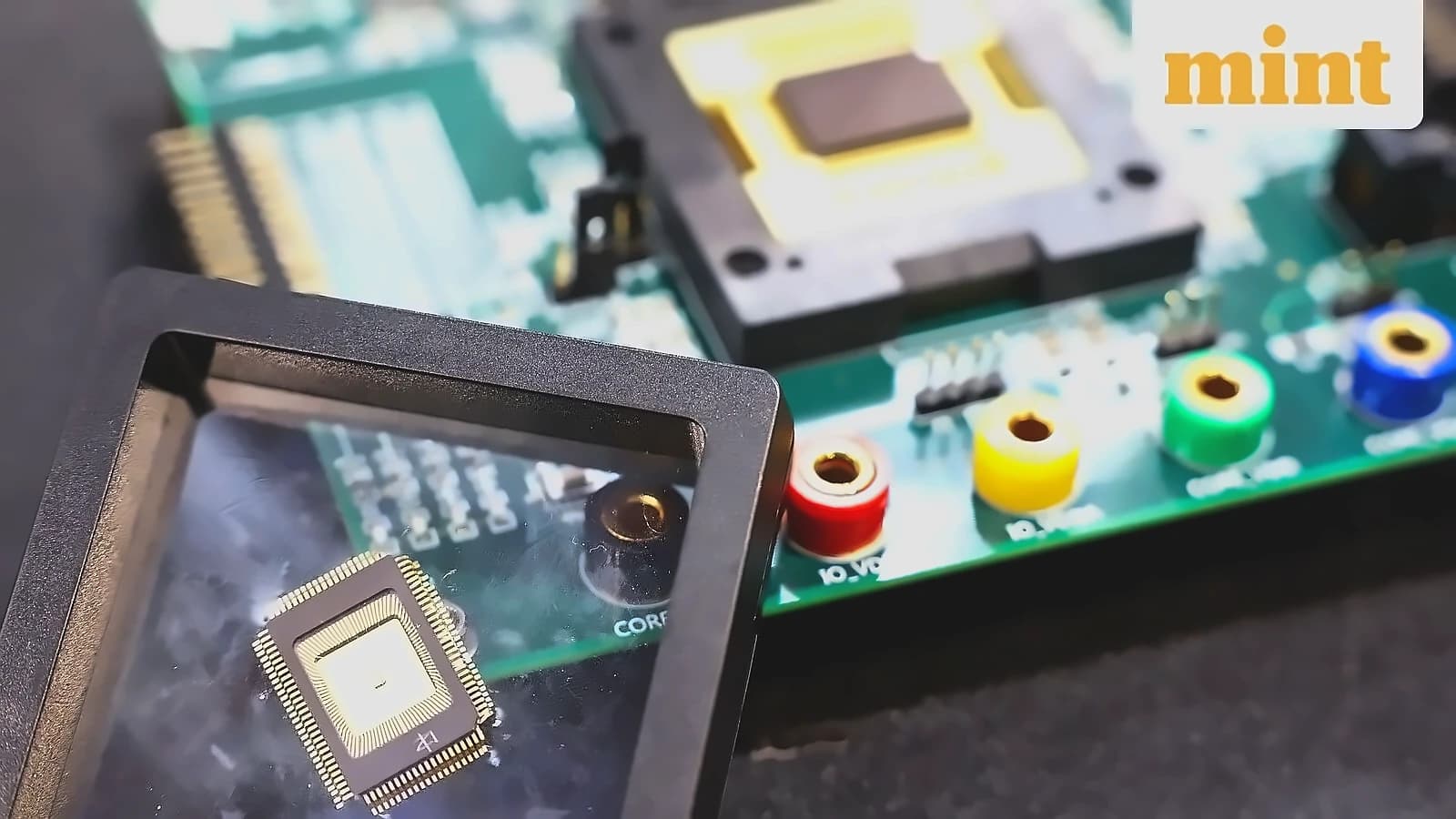
Tata's early rivals in India's nascent semiconductor industry include US chipmaker Micron, domestic players Kaynes Technology, CG Power, and an HCL-Foxconn joint venture. As reported by Mint, Tata Electronics has incurred ₹575.54 crore in losses over the past three fiscal years, which is common for startups in capital-intensive sectors. Industry stakeholders expect the Assam unit to lend scale to Tata's chip ambitions, with the Osat facility expected to become operational before the chip fab begins, potentially differentiating it from other electronics manufacturing services firms.