Alcoholic beverage companies are rolling out new products across spirit categories as consumption shifts from category loyalty to repertoire-led drinking. According to reports from Mint, nearly a dozen products are either already in market or being introduced through early 2026-27 across whisky, brandy, vodka, gin, rum and tequila. This strategic pivot comes as companies respond to younger consumers who are moving across categories on different drinking occasions, marking a fundamental change in how alcohol brands approach market segmentation. The change is not competition between categories but growing fluidity in consumption, where whisky, vodka and gin are increasingly interchangeable depending on occasion and context.
The Indian-made foreign liquor market stood at about 435 million cases in 2025-26, up from 401.7 million cases in 2024-25, according to industry estimates reported by Mint. At Pernod Ricard India, innovation is being aligned more closely with consumption behaviour than with product cycles. The company's new Seagram's Xclamat!on platform, launched in 2025, offers everything from whisky to rum and brandy, built for consumers who no longer think in fixed categories but choose based on context and occasion. As reported by Mint, Debasree Dasgupta, chief marketing officer of the company, noted this represents a broader shift towards consumers rotating across spirits rather than remaining loyal to a single category. This behavioural change is also redefining premiumization of alcohol altogether, with consumers now spending selectively across occasions, trading up in some moments while remaining value-conscious in others.
Major players including Tilaknagar Industries, Radico Khaitan, Alcobrew Distilleries, Globus Spirits and Allied Blenders & Distillers are implementing similar strategies. According to Mint, at Tilaknagar Industries, the shift is visible in its expansion into super-premium and luxury segment through 'House of TI', alongside widening presence in whisky and adjacent categories. Radico Khaitan launched Rampur 1943 Virasat single malt in late 2025 along with Kashmyr vodka, building luxury spirits at the top end while targeting younger consumers. As reported by Mint, this duality is becoming standard as consumers switch across categories depending on setting—whisky in formal occasions, vodka or gin in social environments, and cocktails in at-home consumption. At Alcobrew Distilleries India Ltd, product strategy is now driven by innovation, which is increasingly about relevance in a fragmented market rather than expanding shelf presence.
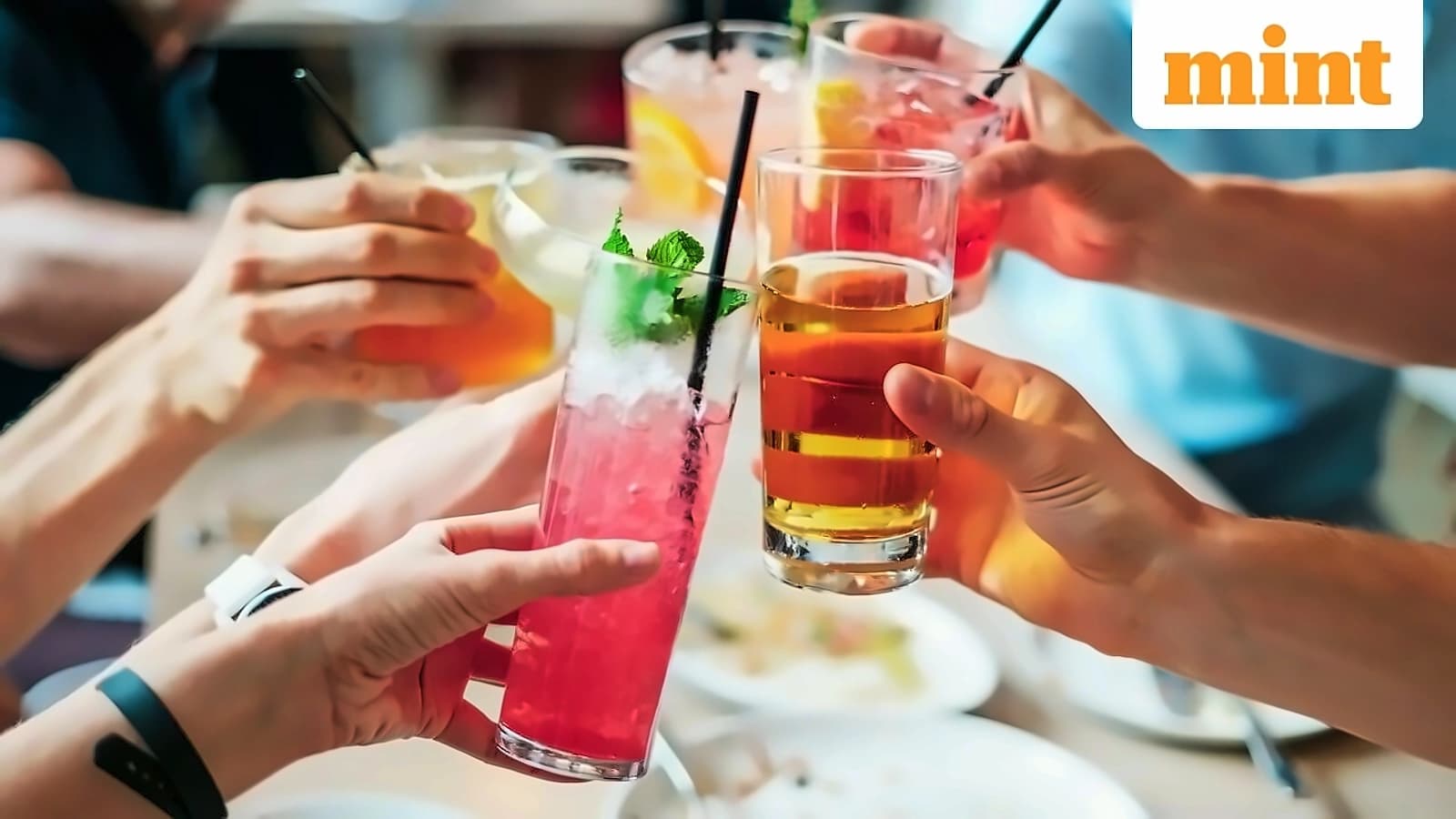
The changing consumption patterns are reshaping portfolio strategies across the industry. According to Mint, premium demand is rising but consumption remains fragmented across price points and usage occasions. Sanaya Dahanukar, marketing manager for Tilaknagar Industries, noted that consumption occasions in the alcoholic beverage market are evolving meaningfully, both in terms of where and how consumers engage with the category. Anant S. Iyer, director general of the Confederation of Indian Alcoholic Beverage Companies, said companies are using launches not just to add volumes but to leverage distribution and sharpen brand positioning. The shift toward repertoire drinking is fundamentally about building consumption occasions rather than loyalty, as reported by industry insiders. Consumption patterns are also shifting in terms of where drinking happens, with on-trade (in bars and restaurants) remaining important for discovery, but at-home consumption rising steadily as consumers build home bars and experiment with cocktails.
Companies are tracking global categories earlier in their India lifecycle, particularly those gaining traction in urban nightlife and cocktail-driven consumption. According to Mint, Globus Spirits entered the tequila market for the first time under its 'Terai' brand in April. At Allied Blenders & Distillers, the company launched Zoya Pink Mix Berries gin in April, catering to a small but growing set of consumers treating alcohol as lifestyle consumption rather than routine purchase. As reported by industry experts, this trend toward repertoire drinking is driving companies to build holistic spirits portfolios and invest in startups and craft brands to differentiate themselves from global players. Vikram Achanta, co-founder and CEO of independent drinks consultancy Tulleeho, said companies are now actively building holistic spirits portfolios, with expansion coming not only through launches but also through investments in startups and craft brands, driven by demand-side changes and positioning needs.