According to reports from Reuters, SpaceX filed for a historic initial public offering on Wednesday, potentially valuing the company at $1.75 trillion and setting the stage for what could be the first trillion-dollar market debut. The filing reveals $18.7 billion in 2025 revenue against a $2.6 billion operating loss, with the company set to trade as 'SPCX' on both Nasdaq and Nasdaq Texas. The IPO will not represent a pure rocket company, as SpaceX has absorbed xAI in February 2026 and X (formerly Twitter) in March 2025, creating a merged entity spanning rockets, Starlink satellites, the Grok chatbot, and the X social platform. The prospectus did not specify an exact dollar figure for the offering, but various reports suggest it could raise approximately $75 billion, which would easily surpass the current title holder Saudi Aramco that raised $26 billion seven years ago. The company is targeting a potential total market of $28.5 trillion across its businesses, with a majority of that possible revenue tied to AI operations.
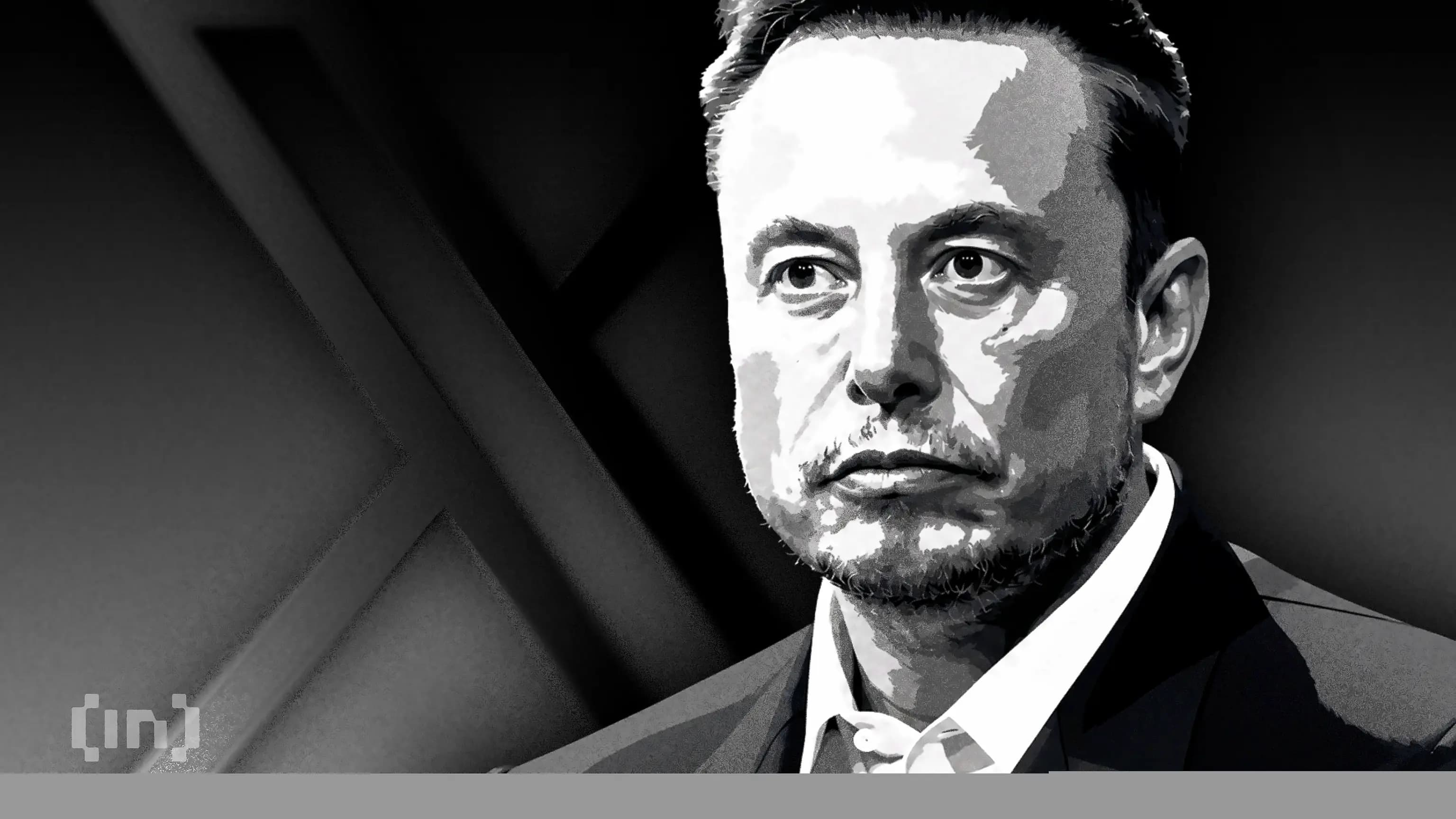
As reported by Reuters, Elon Musk's compensation includes 15 tranches of restricted shares totaling 67 million shares each, with each tranche vesting only if SpaceX achieves preset market cap goals. The first tranche requires the company's market cap to reach $7.5 trillion, while a second tranche vests on building space-based data centers delivering 100 terawatts of compute. The company's own auditors currently rate both milestones as 'improbable'. Musk's base salary remains at $54,080, California's minimum legal pay for exempt employees, unchanged since 2019. Musk will retain 10 votes for each share he holds through a special class of stock, giving him and certain other shareholders the ability to elect a majority of the company's board of directors. According to Forbes, Musk controls 85% of SpaceX's shareholder voting power with nearly 850 million Class A shares and 5.57 billion Class B shares, with no other person or entity having a larger stake than 5%. The document reveals that Musk needs 1 million human inhabitants living in a Mars colony for him to receive his full compensation package, a feat that currently has no technological capabilities.
According to Reuters, Anthropic, a direct competitor to Grok, agreed in May to pay SpaceX $1.25 billion per month through 2029 for access to the COLOSSUS supercomputer in Memphis. The $45 billion deal totals roughly $45 billion over the contract period. This partnership represents a significant revenue stream for the merged entity beyond traditional space operations, with the company's own auditors rating both AI milestones as 'improbable' despite the substantial investment. Anthropic will access more than 300 megawatts of compute capacity and has expressed interest in helping SpaceX develop multiple gigawatts of capacity in space. SpaceX also disclosed plans to deploy data centers in space as early as 2028.
As reported by Reuters, Starlink now accounts for around 75% of all active manoeuvrable satellites in orbit, serving 10.3 million subscribers across 164 countries. The constellation performed more than 1,000 collision-avoidance manoeuvres per day in 2025. The company reported $4.4 billion in operating income for the three months ended March 31, compared with $4.07 billion a year earlier, with Starlink accounting for 69% of first-quarter revenue. Most of the company's revenue comes from its Starlink satellite internet business, with the network of about 10,000 satellites offering broadband internet to consumers, governments and enterprise customers. Connectivity, which includes SpaceX's Starlink business, is the only profitable part of the company after its space unit lost $619 million and its AI arm lost $6.4 billion. The company spent $11.4 billion in 2025 across all units, with the bulk coming from its connectivity division.
According to Reuters, SpaceX has secured $6 billion in contracts from NASA and the Defense Department over the past five years, with a fifth of its revenue coming from federal government sources. This heavy reliance on government funding has raised questions about potential conflicts of interest given Musk's close relationship with the Trump administration. Government ethics lawyers and watchdogs have questioned whether Musk has received special treatment to win taxpayer money and whether that good fortune will continue once President Trump leaves office. The company noted in its filing that these government contracts raise ethical concerns that could impact future business operations. The recent acquisitions of xAI and X (formerly Twitter) have been criticized by some SpaceX investors as bailouts, as both units are significant money losers in the AI and social media sectors.