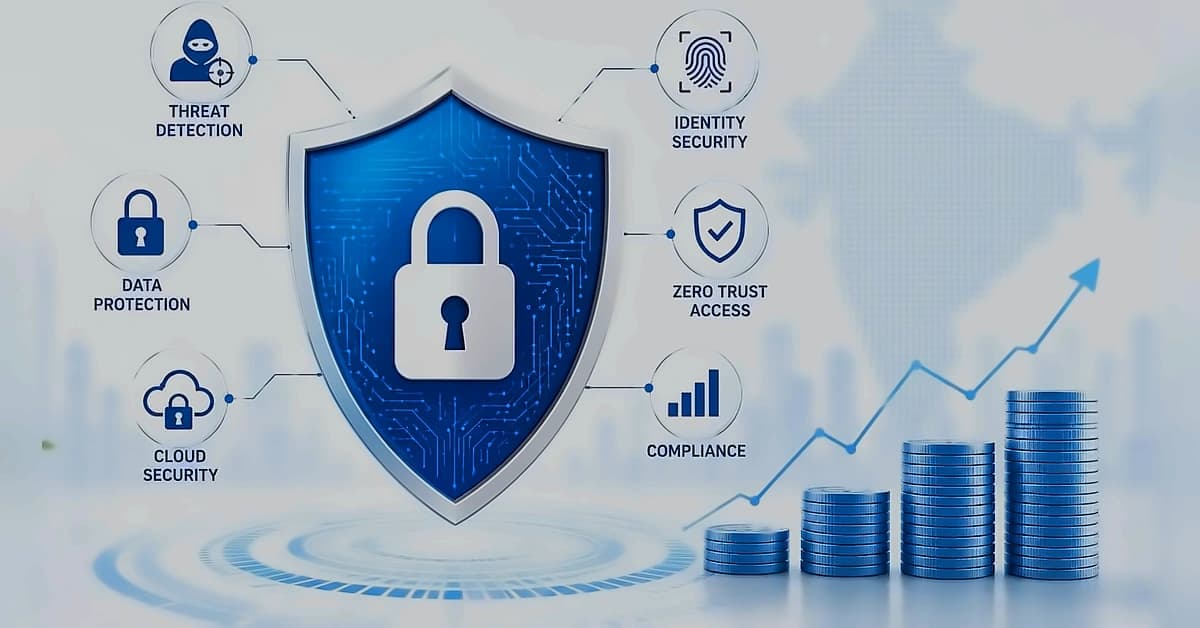
Global cybersecurity major Sophos has achieved remarkable growth in the Indian market, recording a 60% increase in business during FY26. According to Gavin Struthers, Senior Vice President Asia-Pacific & Japan at Sophos, this performance significantly outpaces the broader domestic cybersecurity market growth by four times. The company's India operations have now become the largest contributor to Sophos' Asia-Pacific and Japan (APJ) operations and are currently the number one growth region globally for the company.
The exceptional growth is attributed to the cybersecurity market in India growing at approximately 15%, while Sophos achieved 60% growth in the same period. As reported by PTI, Struthers highlighted that this phenomenal achievement stems from rising awareness of the importance of cyber resilience and increased regulatory focus, including the Digital Personal Data Protection (DPDP) Act. The company currently employs over 1,500 people in India, making it the largest employee base for Sophos across all countries, with the global workforce totaling approximately 5,500 employees.
Struthers identified a 'cybersecurity poverty line' affecting organisations that lack the acronym 'MESI' -- Money, Expertise, Capability, and Influence. He explained that even large organisations with Chief Information Security Officers (CISO) can fall below this line if they lack expertise to run operations or influence over their entire environment, particularly regarding third-party and supply chain risks. According to the company's analysis, third-party and supply chain risk is among the top-five CISO challenges in India, creating vulnerabilities even for well-protected organisations.
India faces significant cybersecurity challenges, with Struthers noting that India is the 'number two country in the world' for phishing. He emphasized that identity-based attacks have become a primary vector, stating that 'attackers don't break in; they log in'. The company also highlighted that ransomware should be viewed as an identity-based problem, while artificial intelligence has made phishing more sophisticated, making it 'really hard to distinguish between what is real and what is compromised'. These factors contribute to the growing demand for cybersecurity solutions in the Indian market.