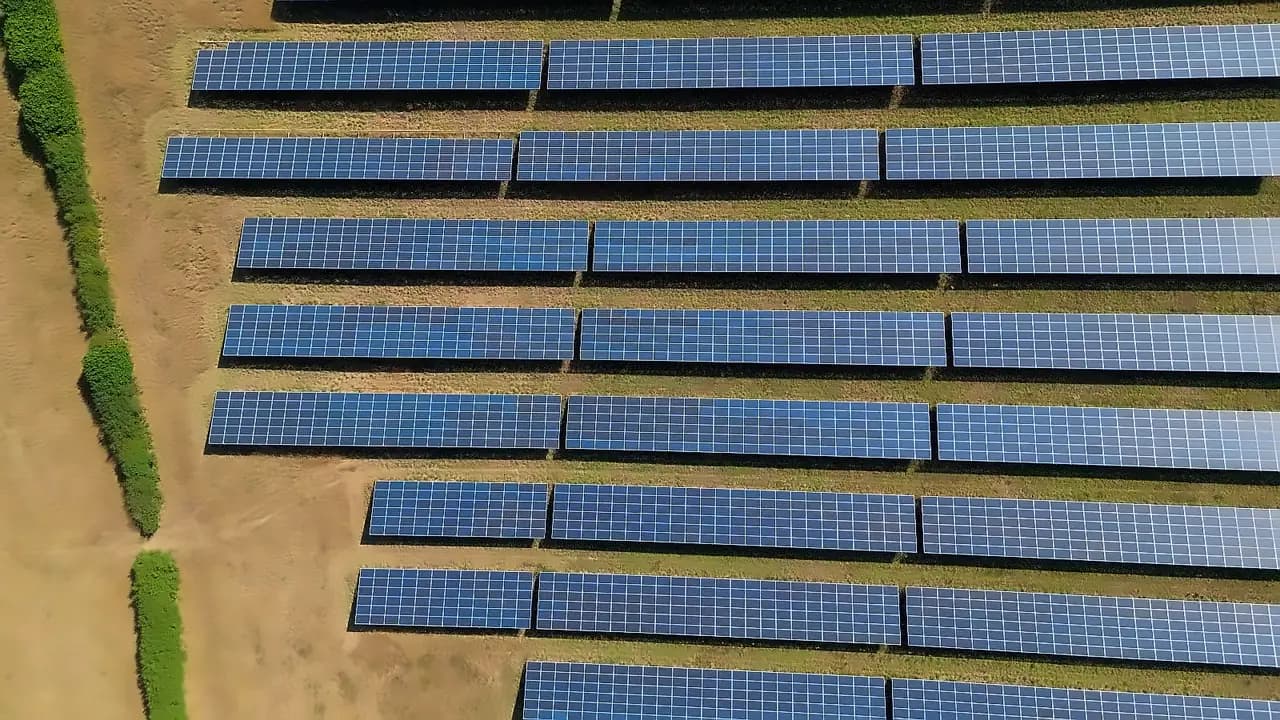
Homegrown Solex Energy is planning to establish solar module and cell manufacturing capacities in the US as part of its $1.5 billion investment roadmap through 2030. According to reports from Rediff Moneynews, Chairman and Managing Director Chetan Shah confirmed the company's exploration of US expansion opportunities, stating that the US remains the largest global solar market while steep anti-dumping duties on Chinese imports leave India as the sole viable supplier of low-cost alternatives. The company is targeting the US market to capitalize on massive global demand for clean energy components while positioning itself as a reliable, cost-effective alternative to Chinese suppliers. As Shah told PTI, "The US is a high-potential market. While many Indian corporates are already present there, a healthy number of business houses, including us, are also looking to invest there."
In India, Solex Energy currently operates a 4 gigawatt (GW) module manufacturing facility in Gujarat and aims to increase its capacity to 10 GW. As reported by Rediff Moneynews, the company is also establishing 10 GW of cell manufacturing capacity and 2 GW of ingot and wafer production. Shah indicated that a team has been formed to study various parameters including required investments and US locations, though specific project details were not disclosed due to regulatory compliance requirements. The investments will be part of the company's $1.5 billion investment plan up to 2030.
According to Shah's statements to PTI, as of October 2026, India had approximately 262 GW of module manufacturing capacity and only about 37 GW of cell capacity. The industry executive noted that most of the installed capacities are of old MONO PERC technology and several capacities are non-operational. Shah emphasized that module capacities have been set up for use of the latest TOPcon technology, highlighting the significant gap between module and cell manufacturing capabilities in the country. "Amid this huge gap between module and cell capacity in India, out of the installed capacities, most of them are of old MONO PERC technology and several capacities are also non-operational," Shah explained.
Regarding the ALMM-II framework, Shah stated that the industry is aligned with government objectives and has made investments worth thousands of crore to set up module capacities in India to support the country's net zero goals. As reported by Rediff Moneynews, under present market circumstances, the industry needs an extension of ALMM-II by at least 12 months due to cell availability constraints. The ALMM-II framework mandates sourcing of made-in-India cells from an approved list of module manufacturers. Shah emphasized that the industry alignment with government objectives and substantial investments demonstrate the sector's commitment to supporting India's clean energy transition.