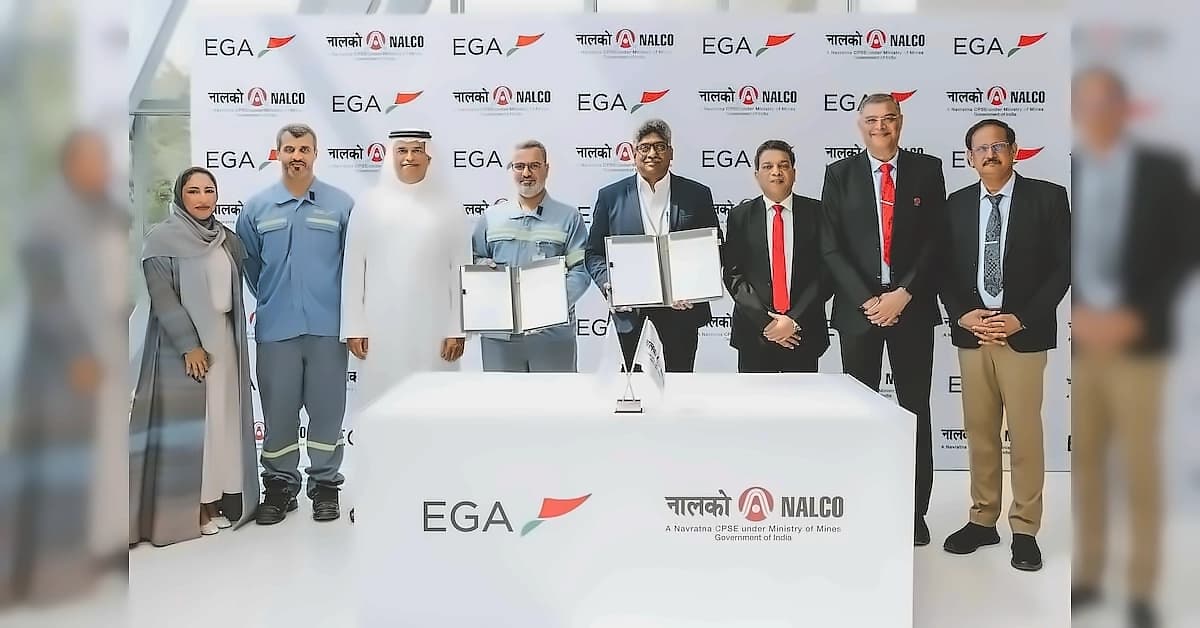
Vedanta, NALCO, and Hindustan Zinc shares fell up to 3% as silver, aluminium, and other metal prices tumbled across the board. According to The Economic Times, the sharp drop in metal prices comes amid increasing expectations of a hawkish Federal Reserve, prompting traders to raise bets on an interest rate hike later this year. The broader metal sector decline reflects the impact of a stronger US dollar and continued unwinding of the Middle East risk premium, outweighing signs of disagreement between the US and Iran over key terms of a deal to end their war.
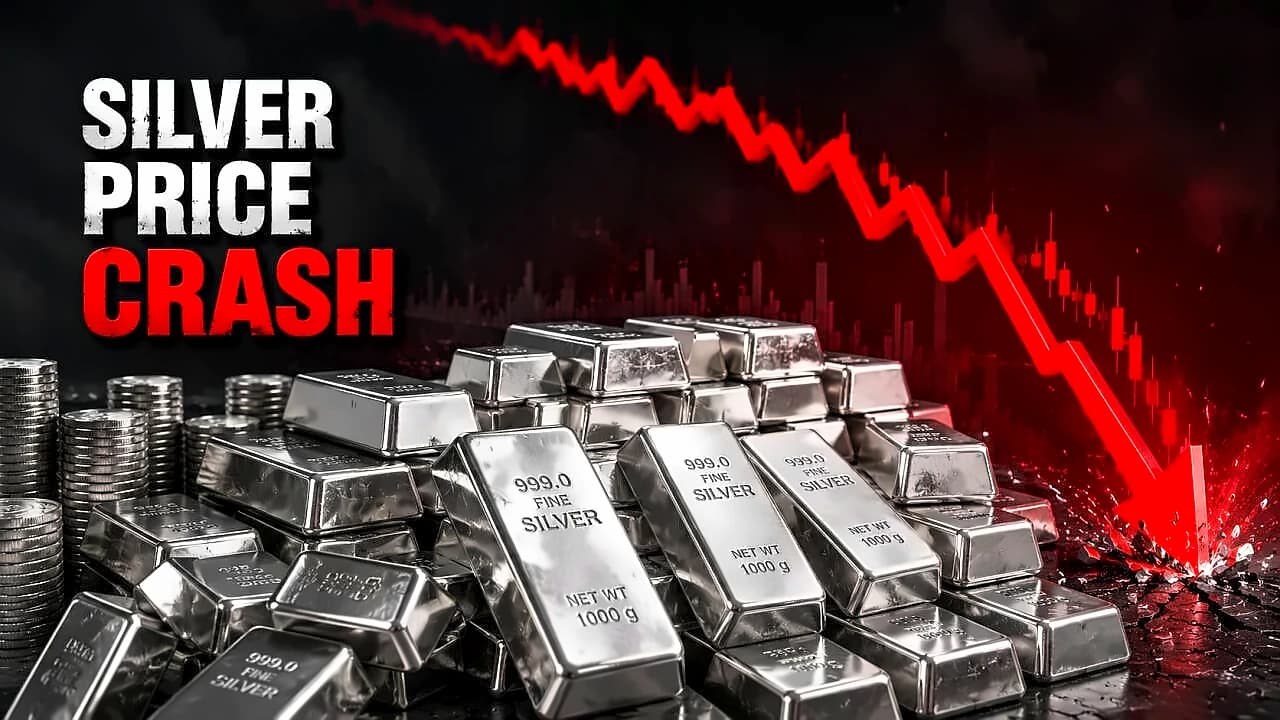
Silver has plunged as much as 14% this week, extending losses for a third consecutive session on Thursday, just a day after tumbling to a seven-month low. As reported by The Economic Times, silver is now trading at less than half of its all-time high of $121 an ounce touched in January. The white metal has broken below the $60 level (around ₹2,20,000) and slipped to $55.50 (around ₹2,10,000). Aluminium prices also extended losses after falling to a three-month low on Wednesday, while copper and zinc prices dropped sharply to multi-month lows. Hindustan Zinc shares have fallen 9% this week and nearly 18% over the past month, reflecting the decline in silver prices that are crucial to the company's revenue generation.
One of the biggest factors weighing on silver has been mounting expectations that the US Federal Reserve could raise interest rates later this year. According to The Economic Times, the US central bank last week held interest rates unchanged, but a higher number of policymakers expected a rate hike in borrowing costs later this year amid concerns about inflation remaining above the US central bank's 2% target. In what was the first Federal Open Market Committee (FOMC) meeting under Chairman Kevin Warsh's tenure, the central bank acknowledged that inflation was "elevated relative to the Committee's 2% goal," partly due to "supply shocks that have driven price increases in certain sectors, including energy." The prospect of higher borrowing costs has strengthened the US dollar, making dollar-denominated commodities such as silver more expensive for overseas buyers.
Another major factor behind silver's decline has been easing geopolitical tensions. As reported by The Economic Times, prices have remained under pressure after the United States and Iran reached a 60-day agreement aimed at addressing key issues, including Tehran's nuclear programme. The agreement has reduced fears of a broader conflict in the Middle East, diminishing the safe-haven demand that had supported precious metals in recent weeks. Although geopolitical uncertainty typically benefits precious metals, analysts believe macroeconomic factors are currently having a greater influence on silver prices than geopolitical developments.
Analysts expect silver to remain volatile in the near term as markets weigh the impact of a stronger US dollar, elevated bond yields and expectations of tighter monetary policy. Renisha Chainani, Head of Research at Augmont, believes silver remains caught between multiple macroeconomic headwinds, including a broad risk-off sentiment, expectations of tighter US monetary policy and the unwinding of yen carry trades. According to her analysis, a continuation of bearish momentum with a breach of the previous day's low could expose the next support at $50 (around ₹2,00,000), while oversold conditions could pave the way for a short-covering bounce towards $62 (around ₹2,28,000) and $67 (around ₹2,38,000).