Shipping stocks experienced significant gains following the finance minister's budget announcement focusing on maritime sector development. According to reports from Moneycontrol News, Shipping Corporation of India rose as much as 4.3 percent, while Essar Shipping surged 9.2 percent. Dredging Corporation of India jumped 9.3 percent in intraday trading, demonstrating broad-based optimism across the shipping sector. Union Minister of Ports, Shipping and Waterways Sarbananda Sonowal emphasized that the Union Budget has provided a powerful thrust to India's economic transformation by accelerating the Reform Express and strengthening the foundations of growth.
The rally was triggered by the Union Budget 2026-27 allocating ₹5,164.8 crore to the Ministry of Ports, Shipping, and Waterways, representing a 48% increase from the Revised Estimate of ₹3,470.6 crore for FY26. This substantial capital infusion supports the government's ambitious plans to operationalize 20 new National Waterways within five years and double the share of inland and coastal shipping to 12% by 2047. The enhanced outlay is part of the government's broader infrastructure push with total capital expenditure of ₹12.2 lakh crore for the fiscal year. As per The Economic Times, Sonowal noted that this budget provides renewed momentum to India's inland waterways revolution, with the decision to operationalise 20 additional waterways over the next five years.
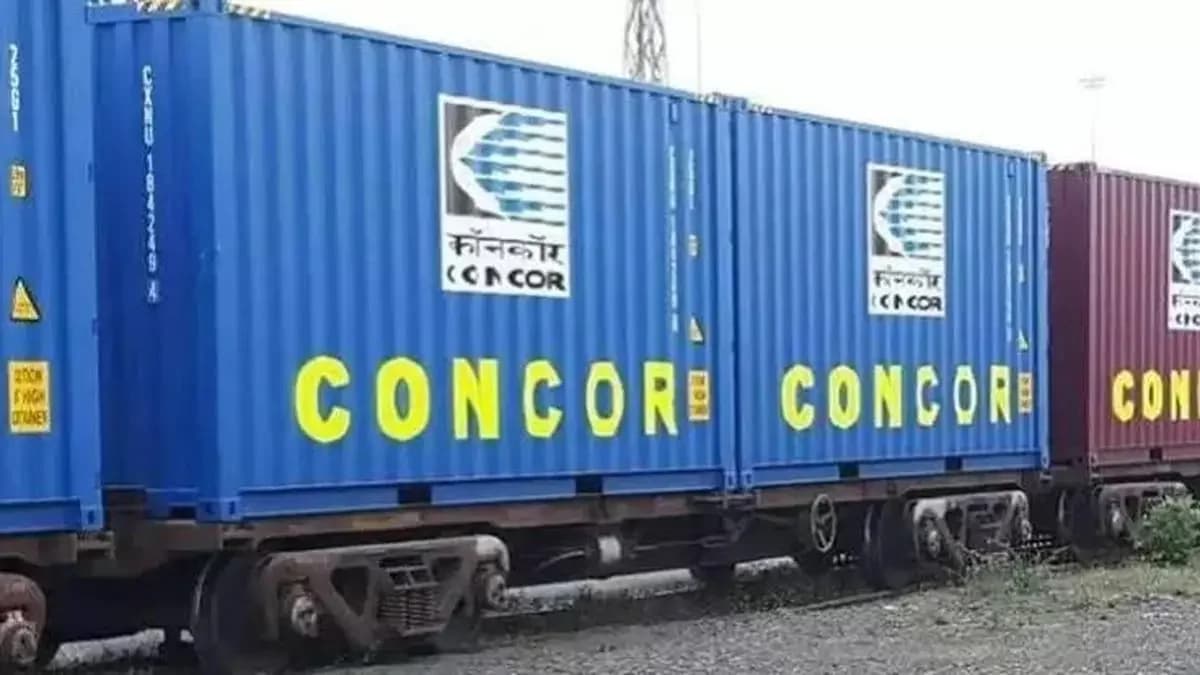
A major highlight of the Union Budget is the announcement of a Container Manufacturing Assistance Scheme (CMAS) with a total outlay of ₹10,000 crore over the next five years. The scheme aims to establish a globally competitive container manufacturing ecosystem in India, supporting the rapid growth of containerised cargo, which accounts for nearly two-thirds of the value of international trade. Under the initiative, India targets achieving an annual domestic manufacturing capacity of approximately one million TEUs over the next decade. The programme is expected to generate a total market value of nearly ₹1.07 lakh crore, reflecting a multiplier impact of about eight times the government support. It is also projected to create around 3,000 direct jobs and more than 50,000 indirect jobs, while catalysing the development of ancillary industries such as corner castings, wooden frames, specialised steel and waterbased paints.
The budget announcement champions new initiatives including Dedicated Freight Corridors, skill development centers, and seaplane manufacturing to transform India's logistics capabilities. The government aims to establish ship repair ecosystems in Varanasi and Patna to support inland vessel maintenance, while proposing incentives for indigenous seaplane manufacturing with Viability Gap Funding (VGF) scheme. These initiatives are expected to reduce transportation costs, enhance trade competitiveness, and contribute to environmental sustainability goals by promoting lower-emission transport modes. The budget also announced the launch of a Coastal Cargo Promotion Scheme to incentivise modal shift from rail and road to waterways, marking a decisive move toward maritime self-reliance.
The budget announcements have created positive sentiment across India's shipping companies, with the sector showing strong performance in early trading. The announcements specifically target the ship-repair ecosystem development and seaplane incentives, indicating a comprehensive approach to strengthening the maritime sector's infrastructure and services. For shipbuilding sector entities like Garden Reach Shipbuilders & Engineers (GRSE) and Cochin Shipyard Ltd (CSL), the increased government focus could indirectly stimulate demand for vessel construction and repair, with GRSE currently trading at forward P/E ratio of 39.6x-41.1x and CSL at P/E ratio of 54.25x-60.05x. The budgetary focus comes as India's shipbuilding industry significantly lags globally, with the country holding merely 0.06% market share, dwarfed by dominant players like China (51-56%), South Korea (28%), and Japan (15%).
India's inland waterways sector has achieved remarkable growth, with cargo movement increasing from 18.1 million metric tonnes in 2013-14 to 145.5 million metric tonnes in 2024-25, recording nearly 700 percent growth with a compound annual growth rate of about 21 percent. The operational length of waterways has expanded from 2,716 km to more than 5,155 km, easing congestion on road and rail networks. As per The Economic Times, Sonowal recalled that while only five national waterways existed prior to 2014, the number has since expanded to 111 waterways under the National Waterways Act. A major announcement is the focused development of National Waterway-5 on the Mahanadi river system in Odisha, which will connect mineral-rich areas of Talcher and Angul with major industrial centres and ports, with a cargo potential of approximately 10 million tonnes by 2032, increasing to 20 million tonnes by 2047, requiring an estimated investment of around ₹13,000 crore.