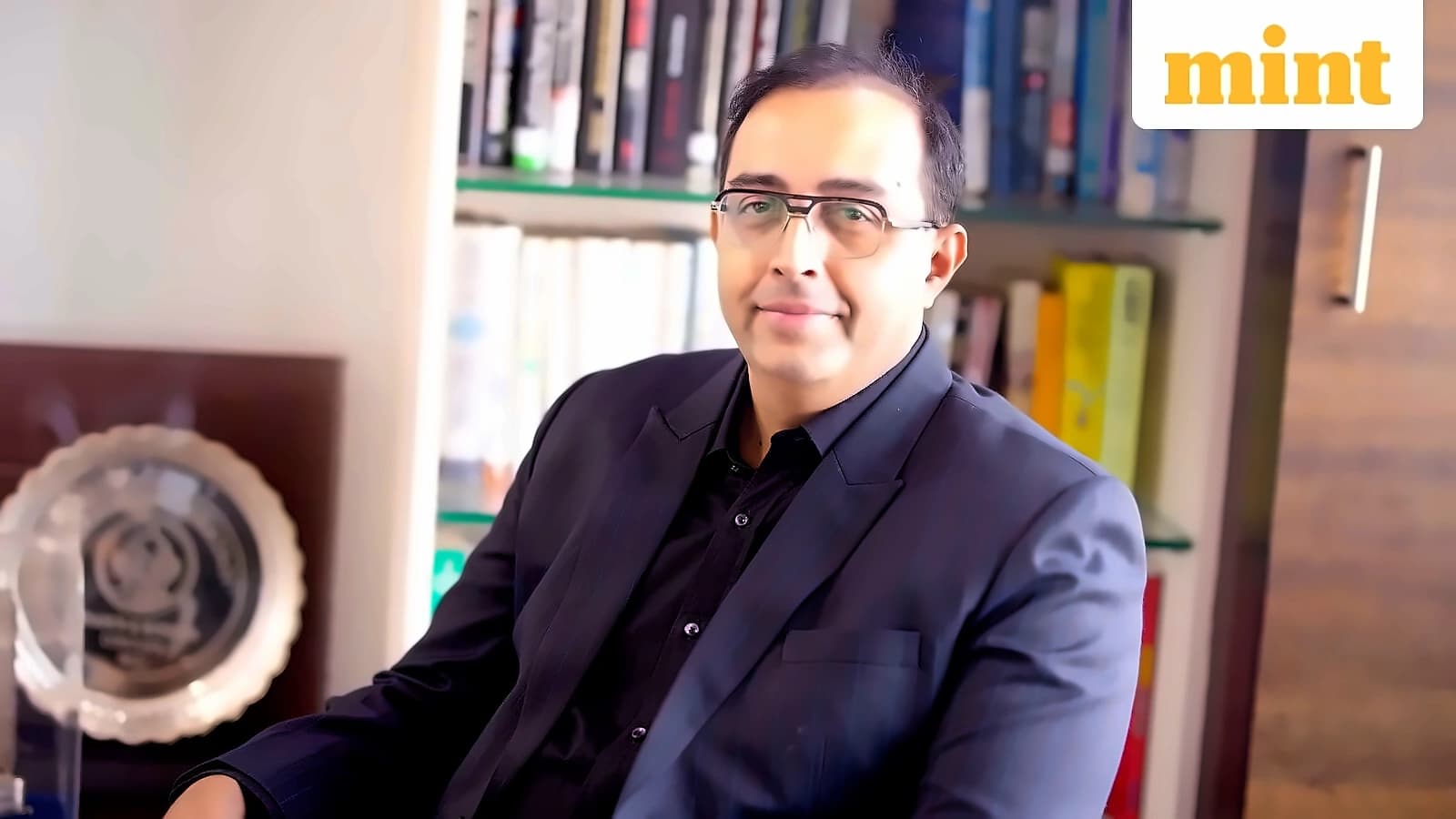
French glass and building materials maker Saint-Gobain is leading a comprehensive shift in India's construction industry, with CEO Sreedhar N spearheading efforts to replace traditional brick and concrete materials with modern alternatives. According to reports from The Economic Times, the company is investing heavily in influencing how Indians think about buildings by working with architects and real estate developers. The strategy involves training construction workers to work with materials like gypsum boards, glass wool, stone wool and glass that offer superior sound and thermal insulation compared to conventional brick walls. As reported by The Economic Times, Sreedhar stated that "ever since I have landed here, I'm only doing this" referring to efforts to change the way Indians think about buildings, making this his top agenda item since taking the mantle of India chief at the company in April last year.

The company has demonstrated significant financial improvement since Sreedhar's appointment as India CEO in April last year. As reported by The Economic Times, the company has reduced its leverage and debt by less than half compared to previous levels, while cash generation has increased three times over the same period. Saint-Gobain currently holds the market leadership position for gypsum boards in India and is the first non-French global CFO of the 350-year-old multinational company. The company is relatively small in the construction chemicals industry, which it has only recently entered. Sreedhar asserted that "the transfer was my choice because there is more to achieve in my home country" and emphasized that "if I was driven by the number, title and the power, then I should have continued as a global CFO".
The Western concept of gypsum boards and insulation wool for dry walls offers substantial advantages over traditional construction methods. According to The Economic Times, dry walls are 90% lighter than brick walls and provide five times better thermal insulation, resulting in significant savings on construction and cooling costs for buildings. The company is also promoting greater adoption of glass that offers better sound and thermal insulation, along with construction chemicals that provide superior waterproofing compared to conventional methods. As reported by The Economic Times, Sreedhar explained that the company is planning influencer campaigns to promote consumer adoption of newer construction techniques that are more expensive but can offer greater cost savings over the years.
Saint-Gobain has significantly expanded its government engagement to promote building codes around insulation and material use. As reported by The Economic Times, the company has signed a memorandum of understanding with CEPT University in Ahmedabad to influence upcoming architects about newer construction materials. The company has engaged with 20 leading real estate developers including Oberoi Realty and K Raheja Corps to promote its materials, while also exploring investment in trade schools to teach workers how to handle these materials effectively. The company has also stepped-up engagement with the central government and state governments to promote building codes around insulation and material use, demonstrating its commitment to regulatory compliance and industry standardization.
Sreedhar's decision to lead the India operations reflects his belief in the region's growth potential, stating that "50% of the world's population is in his region" and that "nowhere in the world can compete with Asia Pacific from a potential point of view for the coming decade." According to The Economic Times, the company is planning influencer campaigns to promote consumer adoption of newer construction techniques that are more expensive but can offer greater cost savings over the years. This strategic approach differs from competitors like Asian Paints, which is diversifying into related product categories, while Saint-Gobain focuses on changing customer habits and pushing them to newer materials altogether. Sreedhar emphasized that "if I was driven by the number, title and the power, then I should have continued as a global CFO" but chose to return to India because "there is more to achieve in my home country."