Sai Silks (Kalamandir) shares declined 1.42% to ₹97.81 on NSE following the company's Q1 FY27 financial results. According to Angel One, the stock movement reflected investor concerns over the company's profitability decline in the first quarter. The shares were trading at ₹97.81 as of July 15, 2026, at 3:20 PM, down from the previous closing price, reflecting market sentiment towards the company's financial performance.
The South India-based apparel retailer reported a significant turnaround in Q1 FY27 with profit after tax increasing 24.16% year-on-year to ₹25.64 crore from ₹20.65 crore in Q1 FY26. Revenue from operations decreased marginally by 2.19% to ₹375.08 crore during the quarter, down from ₹383.47 crore in Q1 FY26. Total income for Q1 FY27 was ₹380.77 crore, representing a slight decrease from ₹384.71 crore in the same quarter last year. Basic earnings per share for the quarter increased to ₹1.74 from ₹1.40 in the previous year's first quarter. The company also reported EBITDA of ₹51.9 crore, down 9.2% from ₹57.1 crore in Q1 FY26, with EBITDA margin standing at 13.8% compared with 15% in the same period last year.
The company's expense management showed minimal changes during the quarter. According to Angel One, total expenses rose marginally to ₹346.36 crore from ₹344.47 crore in Q1 FY26. Purchases of stock-in-trade increased significantly to ₹280.40 crore, while changes in inventories moved into negative territory at negative ₹62.60 crore. This marginal increase in costs contributed to the overall decline in profitability despite the slight revenue reduction and compressed EBITDA margins. The latest results show total expenses increased to ₹346.36 crore from ₹344.47 crore, driven by higher employee benefit expenses and other operational costs, with EBITDA margin narrowing to 13.83% from 15.07% in the year-ago period.
The company's board has fixed August 3, 2026 as the record date for determining eligible shareholders for the payment of a final dividend of ₹1.50 per equity share (face value ₹2 each), subject to shareholder approval. The 18th Annual General Meeting will be held on Monday, August 10, 2026, at 11:30 AM via video conference, where the dividend payment will be discussed. The board also approved the reappointment of M/s. Sagar & Associates, Chartered Accountants, as Statutory Auditors for a second term of five consecutive years, effective from the conclusion of the 18th AGM until the conclusion of the 23rd AGM, pending shareholder approval.
As of June 30, 2026, Sai Silks (Kalamandir) operated 83 stores across 24 cities, covering a combined store area of approximately 8,14,499 square feet with an average store area of 9,813 square feet during FY25-26. The company reported an average revenue per store of ₹204 million in FY25-26 and recorded an average revenue of ₹21,070 per square feet across its store network. The company has also fixed August 03, 2026 as the record date for determining eligible shareholders for the payment of a final dividend of ₹1.50 per equity share (face value ₹2 each), subject to shareholder approval. The company has scheduled an analyst conference call on July 16, 2026 to discuss the detailed operational performance of Q1 FY27, following the opening of its 83rd store under the Kalamandir brand format in Bengaluru, Karnataka, on June 5, 2026.
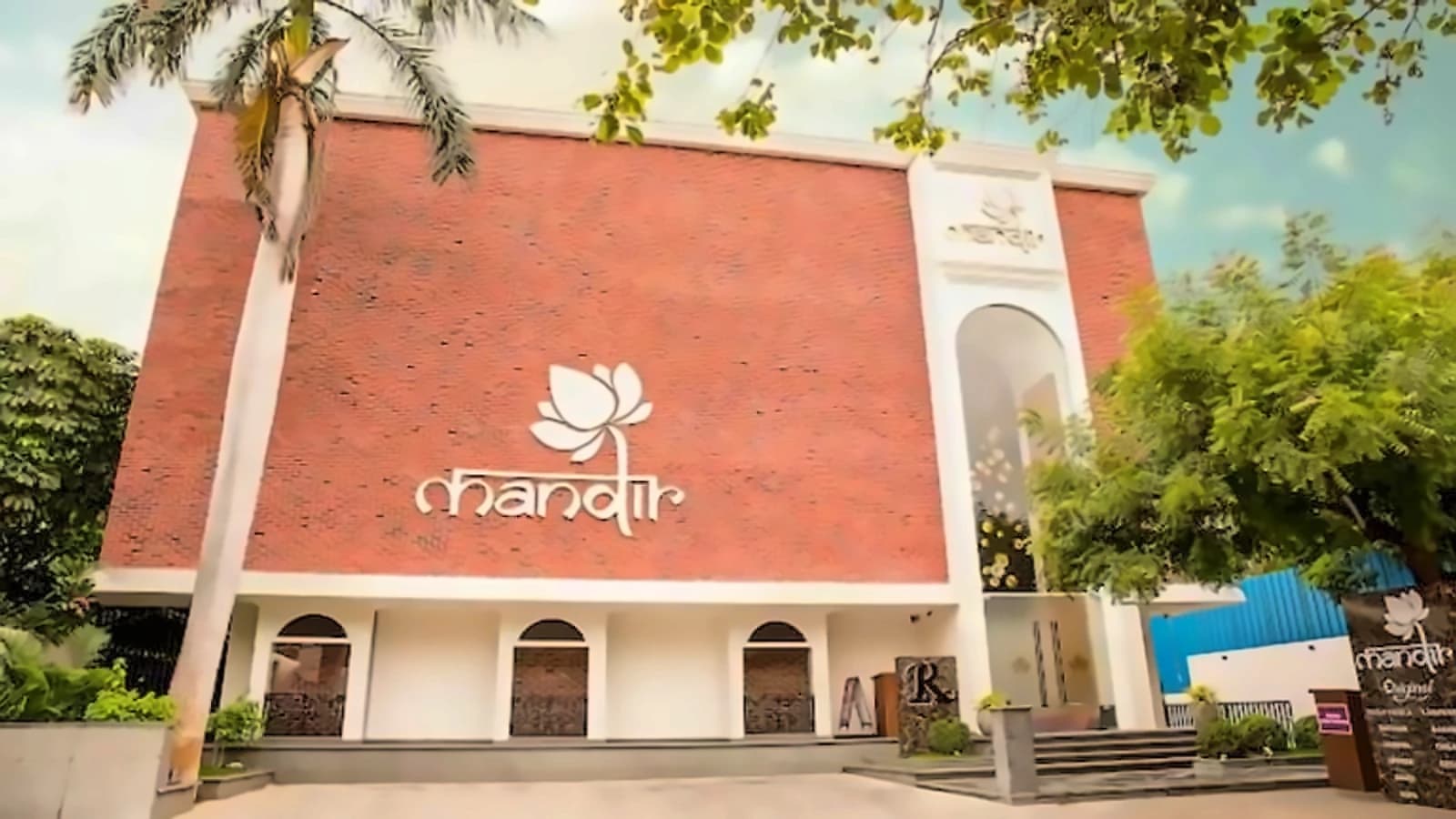
The company's aggressive expansion strategy continued with 30,000 sq. ft. of retail space added through the launch of two new physical stores in Karnataka during Q1 FY27. According to market analysis, revenue growth stalled, moving from a 13% expansion in FY26 to a 1.04% marginal contraction in Q1 FY27 due to sluggish urban retail demand. The physical expansion strategy shifted heavily toward the Karnataka cluster, focusing on premium specialty micro-markets to de-risk geographic concentration in Andhra Pradesh and Telangana. However, fixed operational costs from store additions are triggering near-term margin pressure before new formats reach financial maturity, with the current margin overhang of 130 basis points representing a classic 'expansion drag' that typically reverses once new outlets mature.