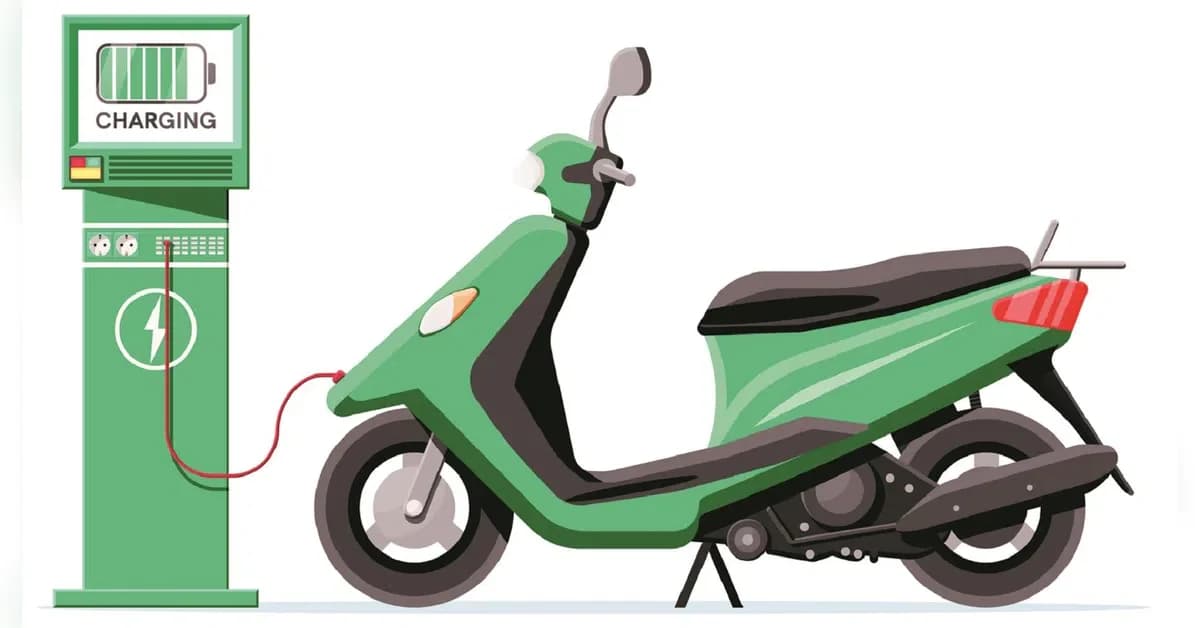
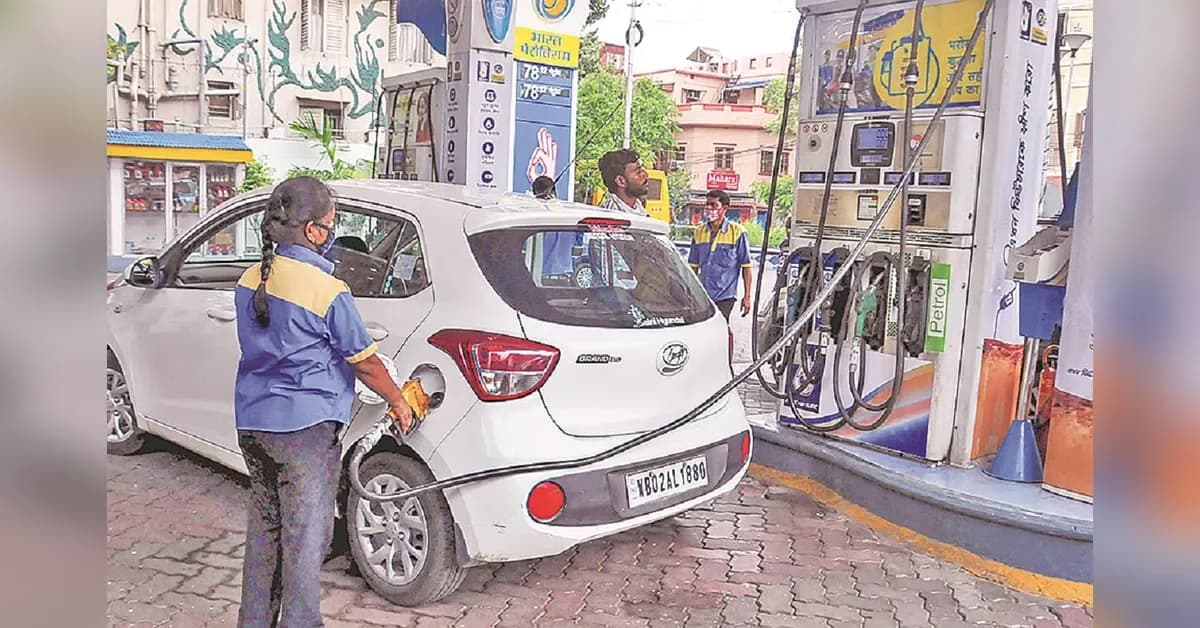
According to JATO's data, petrol two-wheelers accounted for 94 per cent of rural registrations during January-June 2026, while electric versions made up just 5.9 per cent. In contrast, electric two-wheeler penetration stood at 10.7 per cent in urban markets and 10.9 per cent in metro cities. Despite the lower EV adoption rate, rural India accounted for 55 per cent of all two-wheeler registrations, compared with 32 per cent for urban markets and 13 per cent for metros. As reported by Business Standard, this analysis by automotive intelligence firm JATO Dynamics reveals that while rural India drives significant two-wheeler demand, its transition to electric vehicles is significantly slower than in cities.

As reported by JATO's data, rural India is not a homogeneous two-wheeler market and has substantial differences in consumer preferences across states. Rajasthan leans towards entry-level motorcycles, with 74.1 per cent of its rural motorcycle registrations in the 100-110 cc segment. The corresponding shares are 60.4 per cent in Uttar Pradesh and 56.1 per cent in Madhya Pradesh. Maharashtra presents a markedly different picture, with 100-110 cc motorcycles accounting for only 34.3 per cent, while 125 cc bikes contribute 30 per cent and 150-200 cc motorcycles another 25.1 per cent. This regional variation demonstrates how consumer preferences evolve based on local conditions and infrastructure availability across different states.
According to the data, the rural scooter market is almost evenly divided between 90-110 cc models, at 49 per cent, and 125 cc models, at 49.3 per cent. Karnataka, Maharashtra and Tamil Nadu are predominantly 125 cc rural scooter markets, while Uttar Pradesh and Gujarat remain more heavily tilted towards 90-110 cc models. This indicates that rural preferences extend beyond entry-level products into higher-capacity segments, with consumers showing willingness to invest in more advanced scooter technology. The even distribution between these two capacity segments suggests mature market development in rural scooter preferences.
Within the relatively small rural electric two-wheeler market, established manufacturers lead with TVS accounting for 29 per cent and Bajaj 27 per cent of registrations, giving them a combined 56 per cent share. Ather follows with 14 per cent, Hero with 10 per cent and Ola with 9 per cent. This concentration among established players suggests a more mature and competitive landscape in the rural EV segment compared to urban markets. The dominance of traditional manufacturers in rural EV adoption indicates that rural consumers are more comfortable with established brands rather than newer players in the electric two-wheeler space.