Indian industrial giants Reliance Industries Ltd, Vedanta Ltd, and Adani Enterprises Ltd have expressed interest in developing rare earth processing facilities in Andhra Pradesh state, according to sources with knowledge of the matter. As reported by Reuters, these companies are among approximately 10 companies that have shown interest in setting up rare earth facilities in the southern state. The interest comes as New Delhi seeks to reduce India's dependence on China for rare earth minerals, which are essential for permanent magnets used in applications such as electric vehicle motors. However, India's clean energy transition faces serious risks due to shortages of critical minerals and rare earths, worsened by tighter global export controls, highlighting the urgency of developing domestic processing capabilities.
Andhra Pradesh holds 211 million metric tons of beach sand mineral resources, including rare earths, across 16 identified coastal deposits, according to a draft government document. India has 482.6 million tons of rare earth ore resources, according to the Geological Survey of India. However, as reported by Reuters, while India holds substantial rare earth reserves, it lacks industrial-scale facilities capable of processing the minerals to high purity levels. The state was among four identified in February's federal budget for the development of rare earth 'corridors' covering mining, processing and magnet production. This structural gap affects key sectors such as electric vehicles, batteries, semiconductors, and renewable energy equipment, making domestic processing capacity critical for long-term energy security.
The Andhra Pradesh government plans to issue tenders for rare earth facilities after securing cabinet approval for its rare earth corridor policy, which is expected within a month, according to sources. The state also plans to offer capital-linked incentives and additional benefits for projects with investments of ₹1,000 crore or more, as reported by Reuters. This initiative follows New Delhi's approval in November of a ₹7,300 crore rupee programme to support rare earth magnet manufacturing. The plans were set out in a draft government document, with the initiative building on New Delhi's efforts to build domestic rare earth mining, processing and magnet manufacturing capacity. India has adopted a multi-continent minerals diplomacy strategy, signing nearly a dozen agreements in the last five years with Australia, Japan, Africa, Latin America, and Canada, but access without processing capacity cannot deliver resilience.
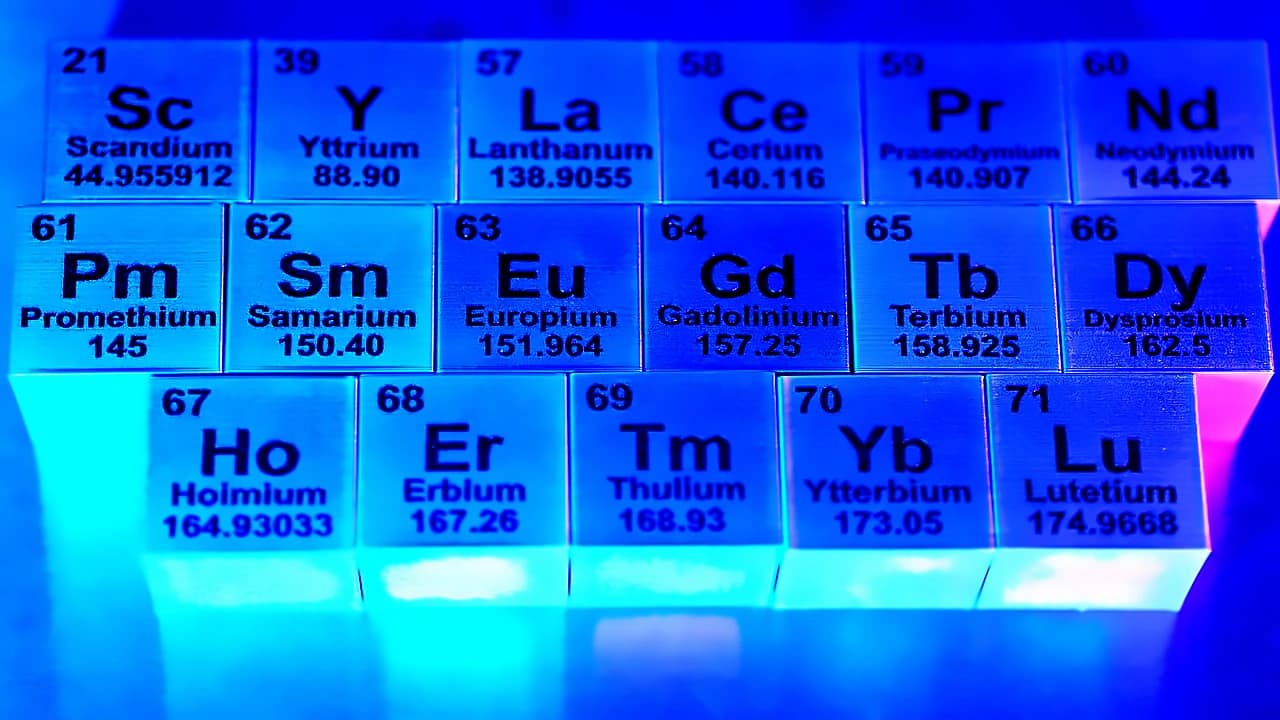
Andhra Pradesh aims to attract ₹50,000 crore ($5.2 billion) in rare earth and titanium investments over the next decade, as reported by Reuters. The state has been courting large-scale investments, attracting companies including Google and ArcelorMittal Nippon Steel. Andhra Pradesh has set an ambitious target of securing $1 trillion in investment commitments by 2029, a state minister told Reuters last November. The rare earth corridor initiative represents a significant component of the state's broader industrial development strategy, with long-term security depending on domestic refining, recycling, technology acquisition, and institutional coordination. The next phase must shift from signing agreements to building value chains to ensure sustainable energy transition capabilities.