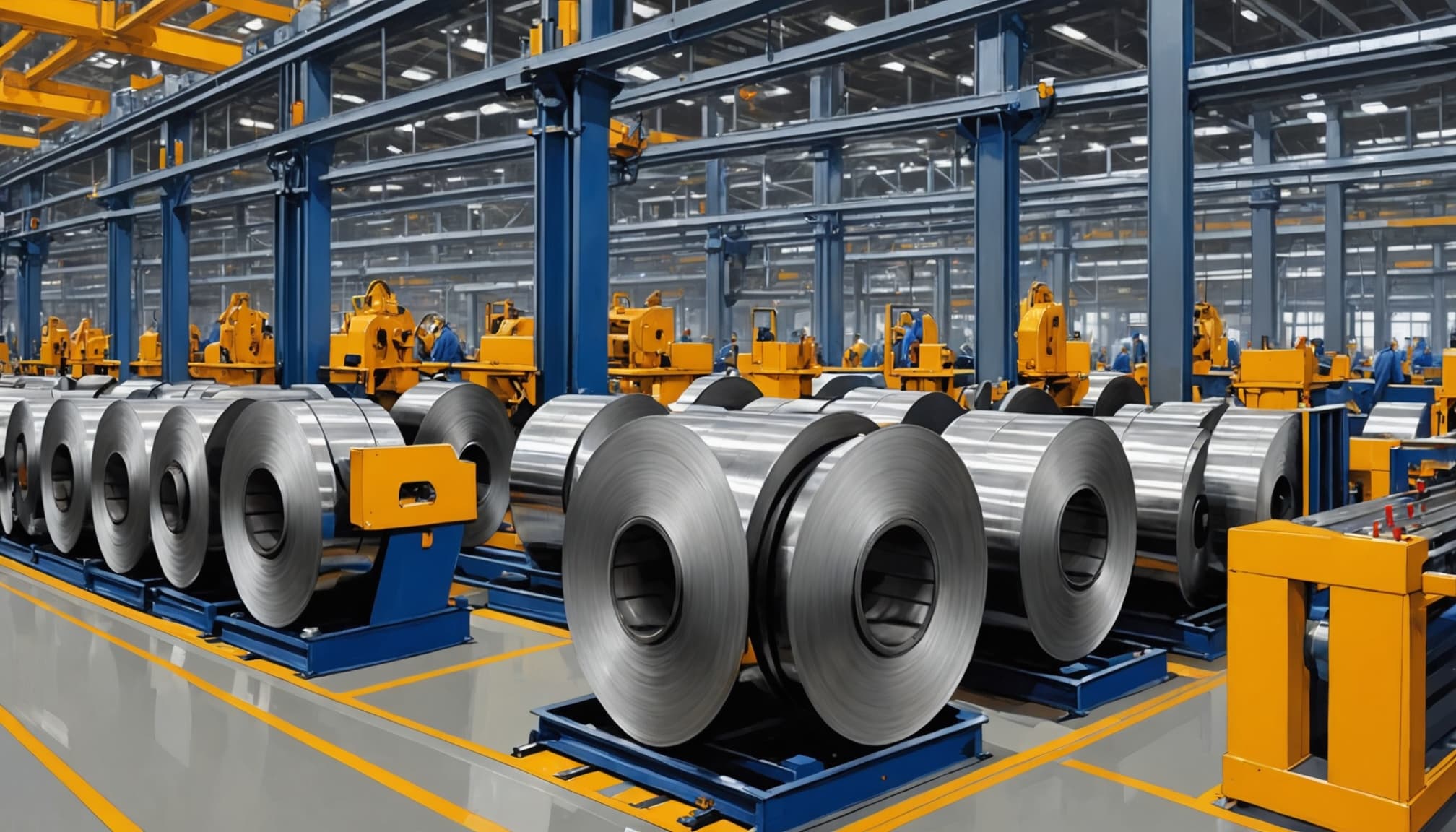
Despite announcing its strategic entry into AI and allied technologies through subsidiaries, Reliance Infrastructure's stock has crashed 79% to ₹918 crore in Q4FY26, representing a dramatic decline from its 52-week high of ₹425. According to latest market analysis, the company's AI strategy announcement has been overshadowed by broader financial challenges and market confusion. The stock has faced significant pressure, declining 7.89% over the last three months and 44.97% on a year-to-date basis, with the market treating the AI subsidiary launch as noise amid fundamental concerns about the parent company's financial health.
Reliance Infrastructure has announced its strategic entry into the rapidly evolving field of Artificial Intelligence (AI) and allied new-age technologies. According to reports from Business Standard, the company is undertaking enabling steps through its subsidiaries to incorporate AI and related technology-driven activities within its business framework. This initiative represents a significant strategic move by the infrastructure company to participate in the rapidly evolving AI sector, with the focus extending beyond traditional technology services into sectors such as infrastructure, engineering, transportation, and energy. The company formalized this commitment through regulatory filings, stating its intention to participate in the rapidly evolving AI field through subsidiary-based initiatives.
The company's recent financial performance has been severely impacted, with Q4FY26 net profit collapsing 79% to ₹918 crore and revenue edging down 2.6% to ₹4,001 crore. For the entire FY26, net profit dipped to ₹2,900.23 crore from ₹4,937.52 crore in FY25, while total income fell to ₹20,862.03 crore from ₹23,999.29 crore in the preceding fiscal. The company's costs have risen significantly, with expenses increasing to ₹5,419.87 crore in Q4FY26 from ₹4,827.97 crore in Q4FY25, while the cost of power purchased during the quarter increased to ₹3,285.68 crore. The Board has appointed a new CEO, Vijesh Thota, in May, signaling a turnaround attempt rather than an AI launch.
The market confusion stems from two Indian conglomerates sharing the Reliance name - Mukesh Ambani's Reliance Industries, which has committed $110 billion to AI infrastructure, and Anil Ambani's Reliance Infrastructure, which operates power distribution businesses, defense arm, and toll roads. As reported by The Technical Trader, the stock has been punished by the name confusion, with the company currently asking SEBI to lift trading curbs linked to insolvency proceedings. The stock trades at 15% of book value with earnings power that the market has priced as if the company will go to zero, creating what analysts describe as an overreaction to the name confusion rather than fundamental business performance.
Despite the current challenges, analysts suggest the stock could recover if certain conditions are met. The key break condition involves whether SEBI lifts the ASM trading restrictions and whether the next two quarters show distribution cash flow stabilizing above ₹4,000 crore. If the trading curbs lift and Q1 FY27 revenue holds above ₹4,000 crore, the current 1.46x P/E becomes impossible to sustain on a company with ₹437 in book value per share. The company's diversified portfolio across infrastructure, engineering, construction, power and defense sectors, founded in 1929, positions it for potential recovery if the legal overhang proves contained. However, risks remain if NCLT proceedings expand beyond the toll road subsidiary or if the ₹28,483 crore in power distributor dues fail to collect.