The Delhi High Court on Tuesday quashed the Food Safety and Standards Authority of India's (FSSAI) order prohibiting Austrian beverage company Red Bull from using the term 'energy drink' on high-caffeine beverages. According to Reuters, the court set aside the regulatory order, holding that Red Bull was not given an opportunity to present its views before the decision was taken. The court's decision comes after Red Bull India challenged the June order, arguing that the regulatory process was not followed before the use of the globally recognised descriptor was prohibited. Justice Amit Mahajan rejected the FSSAI counsel's argument that its 30 June communication was merely a request to modify the label, stating 'You don't request anyone, first of all you are the government'. The ruling provides relief not only for Red Bull but also for other major players in India's energy drink market, including PepsiCo, Monster Beverage and Reliance, who had privately raised concerns that removing the energy drink category could hurt their brands.
PepsiCo India and Monster Energy India have challenged India's food safety regulator in court over an order restricting the use of the term 'energy drink' for high-caffeine beverages, escalating a dispute with significant commercial implications. As per court filings in New Delhi, PepsiCo told a Delhi court that FSSAI's June 30 directive could have 'grave commercial consequences' and affect substantial investments. The company revealed that 492 million bottles and 26 million cans carrying the disputed labels were in circulation as of July 31. PepsiCo also argued that it was not given an opportunity to present its position before the regulator issued the directive and has sought to have the decision set aside. Monster Energy India has raised similar objections, saying it received no prior notice and was suffering financial losses and reputational damage. The regulator had given companies 90 days to remove 'energy drink' and similar descriptions from high-caffeine beverages, with several states beginning to seize affected stock soon after the directive.
Red Bull's India revenue reached ₹1,050 crore ($130 million) in 2024, more than double the earnings recorded four years ago, according to Reuters. The energy drinks market in India is experiencing rapid expansion with retail sales growing 12.6% annually, while the industry is projected to reach $1.6 billion by 2028. PepsiCo's Sting, launched in India in 2017, has contributed significantly to this growth with its ₹20 bottles gaining popularity among younger consumers and rural buyers. However, the tighter regulatory scrutiny has resulted in more internal checks and higher costs for companies. Diganth P, strategic commercial adviser at packaged savoury-snacks maker Gopal Snacks, estimates a roughly 3-8% rise in per-unit costs as companies become more cautious about packaging, quality checks and internal audits. Companies are also reviewing formulations and substitute ingredients to ensure compliance with the stricter enforcement environment.
India's food regulator has stepped up enforcement across the food industry in 2026, prompting packaged-food makers and wellness-product companies to seek legal advice on labels, marketing claims, licences and inspections as regulatory concerns reach the boardroom. The heightened scrutiny involves senior management as concerns about reputational risks rise, with law firms reporting that queries now come directly from general counsels and company secretaries, rather than just regulatory and quality teams. As per Mint, inspections are more frequent, sampling campaigns are more targeted, and a regulatory lapse now also carries a reputational cost, often on social media within hours. The FSSAI's actions have included scrutiny of Old Monk's flavour and age-related claims, Red Bull's use of 'energy drink', Dabur's '100% Pure' and '100% Natural' claims, and ITC's Aashirvaad MP Chakki Atta '100% Atta' claim. Common compliance gaps identified include licence mismatches, unsupported labelling and advertising claims, weak supplier controls, poor record-keeping and delayed responses to regulatory notices.
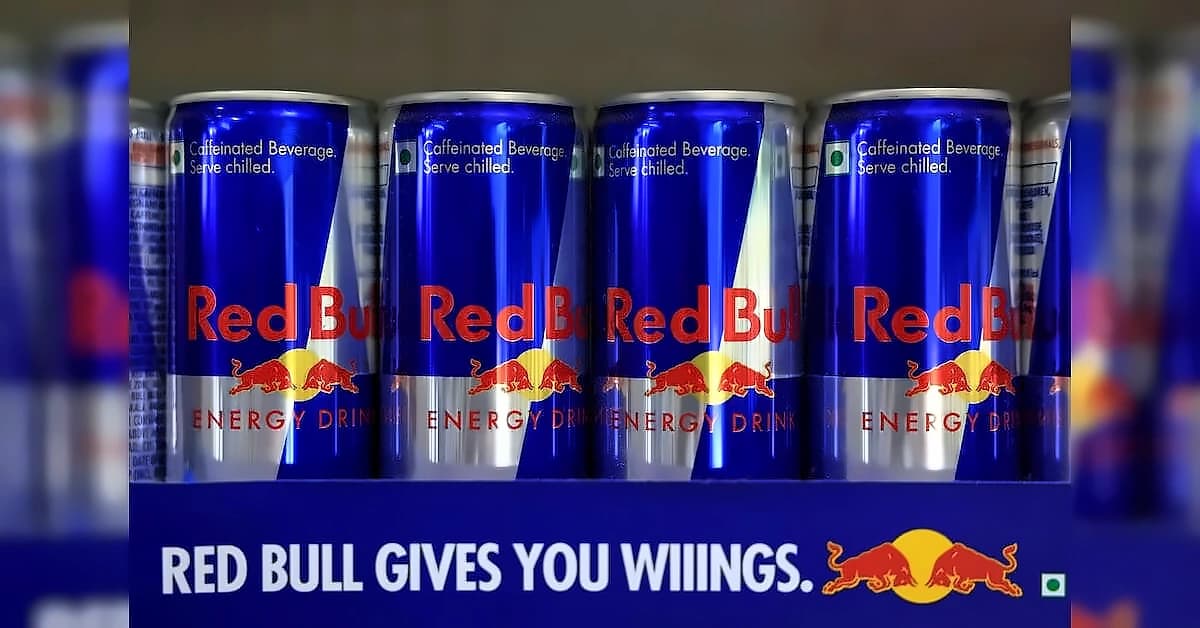
The regulatory move has triggered a standoff among major beverage companies, as Pepsi, Red Bull, Monster Beverage and Reliance fear removing the category label could damage brands built around instant-energy claims. A government source told Reuters that the FSSAI will defend its decision in court, stating that the regulator historically never allowed the use of 'energy drinks' on product labels. The immediate dispute is centred on labelling, regulatory compliance and the business implications of losing the 'energy drink' descriptor for India's beverage industry. The court's decision marks the first legal victory for energy drink manufacturers in India's regulatory battle, with the ruling setting a significant precedent that could raise hopes for other firms facing similar regulatory action. The court has instructed FSSAI to proceed afresh, but this time the regulator will have to issue a show-cause notice and give companies an opportunity to be heard before taking adverse decisions. The regulatory battle leaves companies facing uncertainty over product labelling, inventory and market operations.