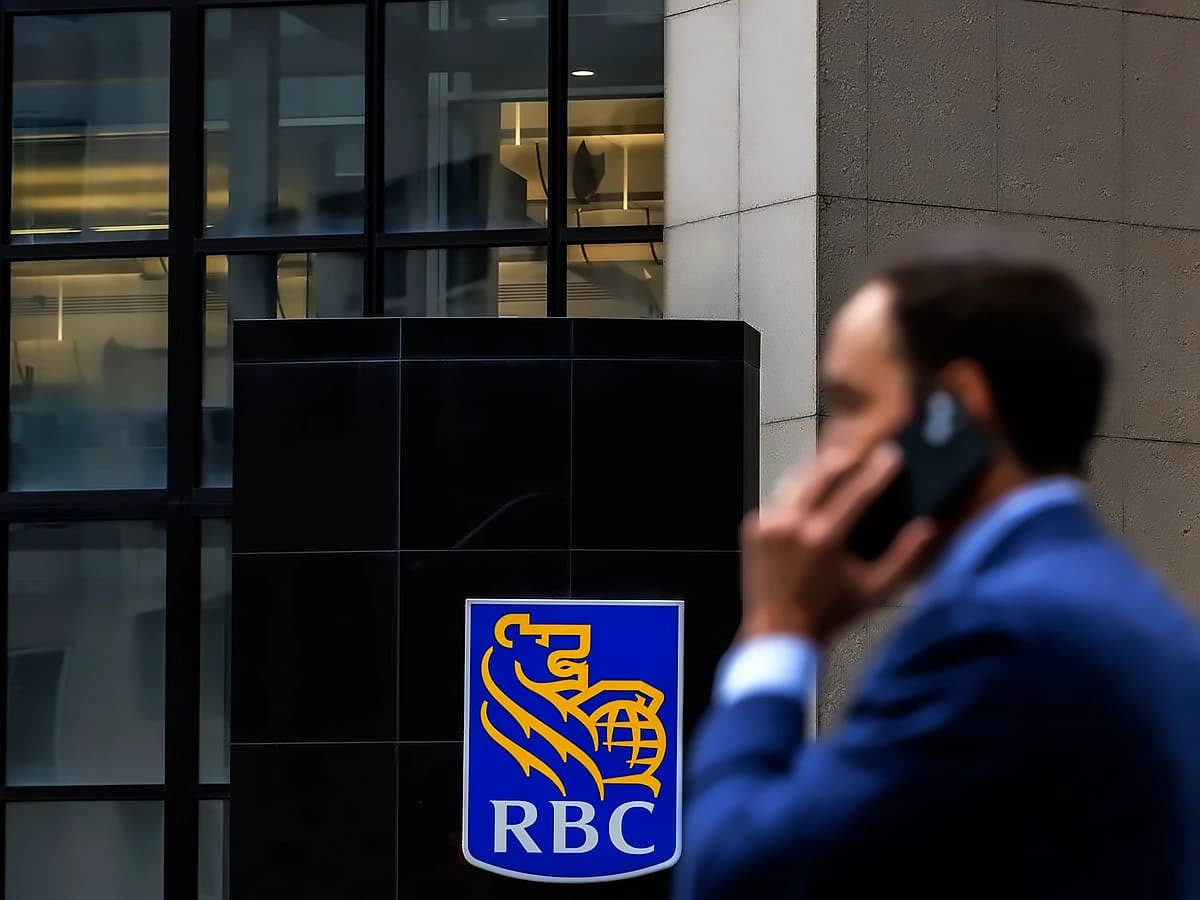



The Financial Consumer Agency of Canada (FCAC) imposed a $4.25 million penalty on Royal Bank of Canada for providing customers with inaccurate credit card statements. According to the FCAC statement, the violations occurred from 2021 to 2024 and affected 227,947 accounts. RBC paid the penalty on April 17 after the agency issued a notice of violation on March 18. The bank transferred and refunded approximately $22.4 million to affected customers and donated $299,000 on behalf of customers who could not be located.
The FCAC stated that the violations were related to RBC's process of deactivating customer credit card accounts and then migrating details to new cards after fraud was reported. As reported by the agency, RBC failed to transfer certain credits from deactivated accounts to new ones, resulting in customers receiving inaccurate credit card statements. Some customers also incurred additional charges due to these errors. The FCAC identified the root cause as inadequate and ineffective control and oversight procedures and operational challenges with processes and proper reporting.
According to the FCAC, accurate disclosure is a foundational element of consumer protection provisions under the Bank Act. The agency emphasized that consumers must be provided information that is accurate to make informed financial decisions. This penalty represents the second major penalty the agency announced against a major bank this year, following a $4 million penalty imposed on Bank of Montreal in February for violations related to erroneous charges for monthly plan fees that should have been waived or discounted for certain personal deposit accounts.
The BMO case involved 101,091 customers who were financially impacted from 2010 to 2024 due to the bank's failure to disclose all applicable charges. As reported by the FCAC, BMO issued more than $3 million in refunds and redressed interest to impacted customers, while making a donation of more than $600,000 on behalf of affected customers who could not be found. The agency noted that both penalties reflect significant harm done to customers, with the RBC penalty being the larger amount.