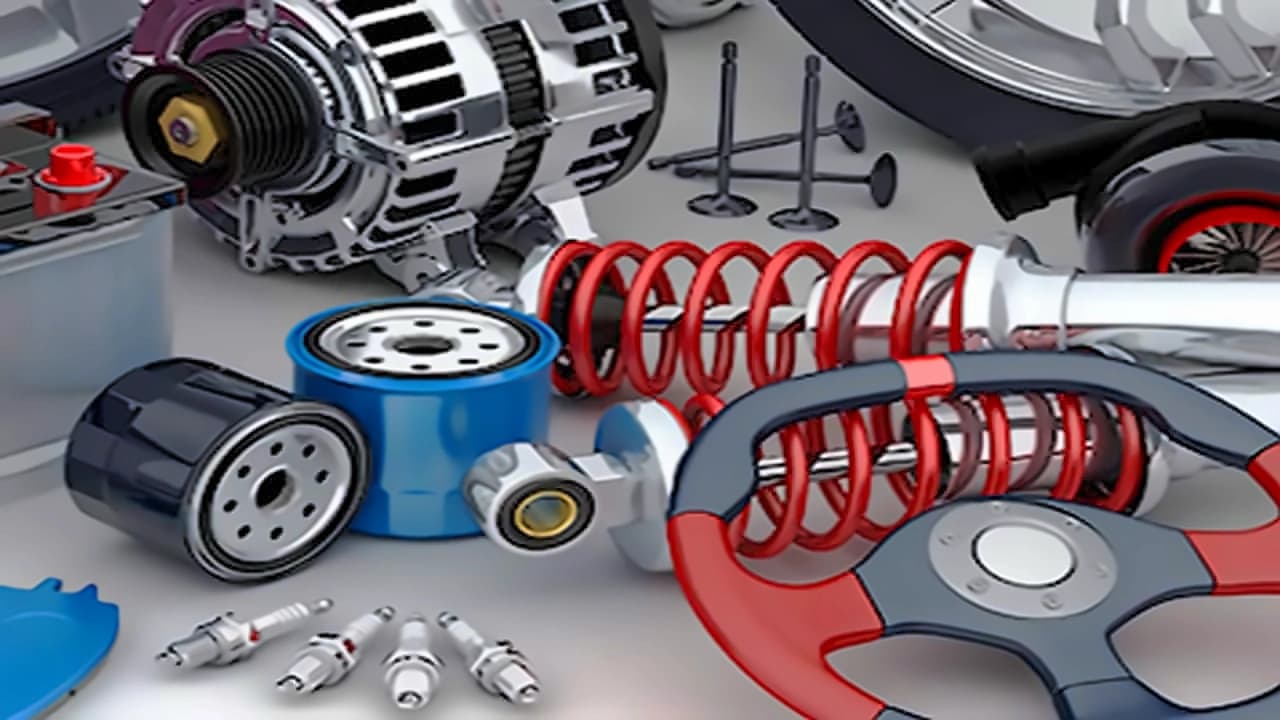
Rane (Madras) shares rallied as much as 5.97% to hit their 52-week high of ₹1,224.90 on the NSE in early trade on Thursday, July 1. According to reports from The Economic Times, the buying interest in the stock was attributed to the key business update the company shared. The Chennai-based auto component manufacturer, part of the Rane Group founded in 1929, is engaged in manufacturing steering and suspension linkage products.
The auto component company announced on Tuesday that it has entered into a Business Transfer Agreement with Hindustan Composites to acquire the friction business for a lump sum cash consideration of ₹370 crore on a slump sale basis. As reported by The Economic Times, the acquisition includes the brand "COMPO," which reinforces Rane's leadership position by expanding its reach across segments, distributors, fleet operators and aftermarket channels. The transaction remains subject to customary regulatory approvals and closing conditions, with completion expected by the end of the second quarter. The deal is structured on a cash-free and debt-free basis, with the consideration payable upon closing, subject to adjustments specified in the agreement.
HCL's friction business is a leading supplier of friction materials with over six decades of experience across automotive, railway, farm tractor, and industrial sectors. According to The Economic Times, the business has a product portfolio including brake linings, brake pads, brake blocks, clutch facings, and industrial friction products, backed by in-house R&D and a pan-India distribution network. It operates two manufacturing facilities in Paithan and Bhandara in Maharashtra, with the latest audited financial results showing revenue of ₹315.04 crore and profit before tax of ₹40.29 crore. The acquired unit contributed 84% of Hindustan Composites' total turnover of ₹375.01 crore for the financial year ended March 31, 2026. The net worth of the business under transfer stood at ₹69.52 crore, accounting for 7.50% of the company's net worth as of March 31, 2026.
Upon completion, the acquisition will create a ₹1,000-plus crore friction materials business, establishing RML as the market leader across all major segments. As reported by The Economic Times, RML already has leadership in the friction business spanning passenger vehicles, two-wheelers, aftermarket and railways, alongside an export business aggregating revenue of over ₹700 crore. The transaction is expected to be EPS-accretive and result in a more predictable earnings profile by reducing exposure to a capital-intensive segment. The company expects the transaction to unlock substantial operational synergies through manufacturing scale, expanded distribution network and enhanced R&D capabilities, with the expanded footprint serving as a critical launchpad for future business expansion. The transaction is structured as a slump sale without values being assigned to individual assets and liabilities, subject to shareholder approval through a Postal Ballot process.
In May 2026, Rane (Madras) reported a 14% year-on-year growth in quarterly revenue, driven by strong export demand. Earlier in April 2026, the company successfully integrated a new steering assembly line at its Chennai facility. The friction material segment historically yields 200-300 basis points higher margins than traditional steering components, which should support a gradual expansion of overall EBITDA margins over the next 4-6 quarters. While the exact debt-equity split is pending, the company is expected to utilize internal accruals supplemented by term loans, given its stable debt-to-equity ratio of 0.8x reported in FY26. The company expects proceeds from the sale, net of transaction costs and tax expenses, to be deployed towards investments aligned with long-term strategy, with a portion potentially returned to shareholders via a special dividend.
Harish Lakshman, Chairman of Rane Group, stated that the acquisition leverages Rane's ability to create a market-leading friction solutions platform. According to The Economic Times, he emphasized that by integrating these complementary businesses, the company is uniquely positioned to address the evolving needs of India's transportation sector while driving operational excellence and long-term value for stakeholders. The rationale for the divestiture includes avoiding a significant upcoming capital expenditure cycle required to maintain the competitiveness of the Friction Business.