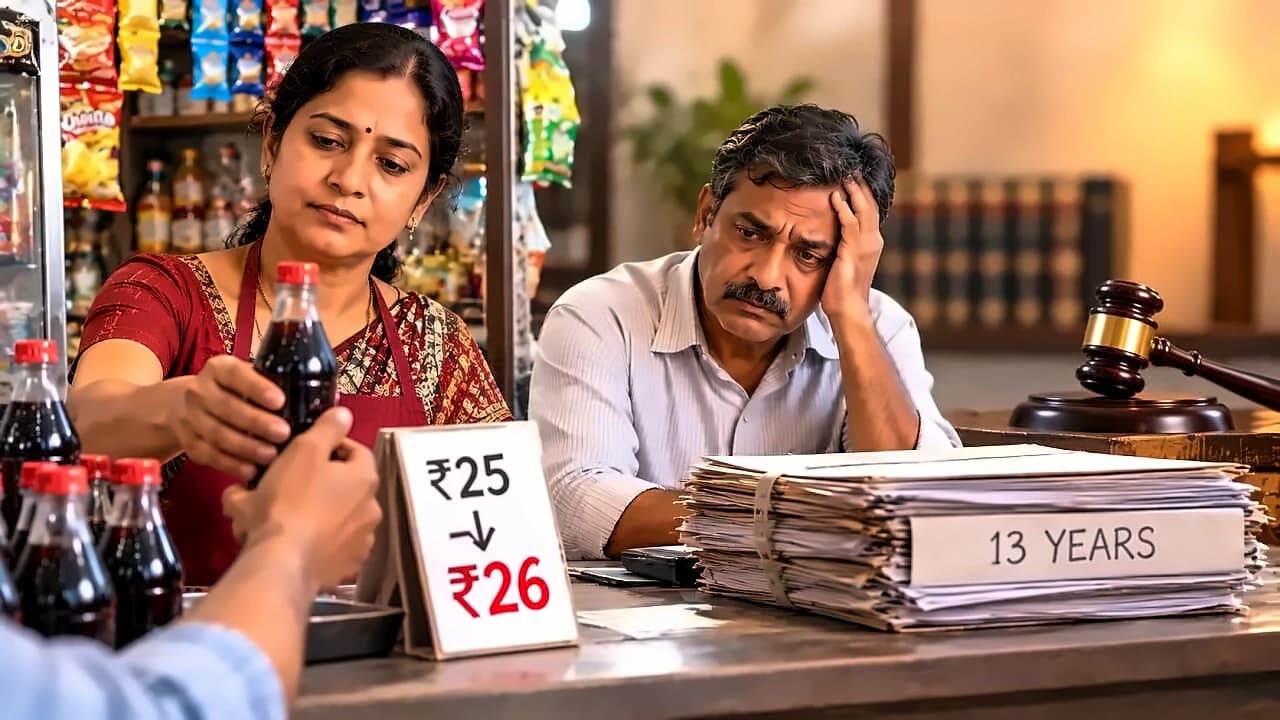
The Delhi High Court on Friday, July 10, 2026 sentenced actor Rajpal Yadav to three months' imprisonment in each of seven cheque bounce cases linked to a ₹9-crore financial dispute. Justice Swarana Kanta Sharma delivered the judgment after rejecting settlement efforts between the parties. The court also directed Yadav to pay ₹1.05 crore to the complainant in each case, along with ₹25,000 to the state. However, as per Bar and Bench, the sentences will run concurrently rather than consecutively, meaning Yadav effectively serves three months total rather than 21 months across all seven cases. Justice Sharma also gave Yadav two months to challenge the order before a higher court.
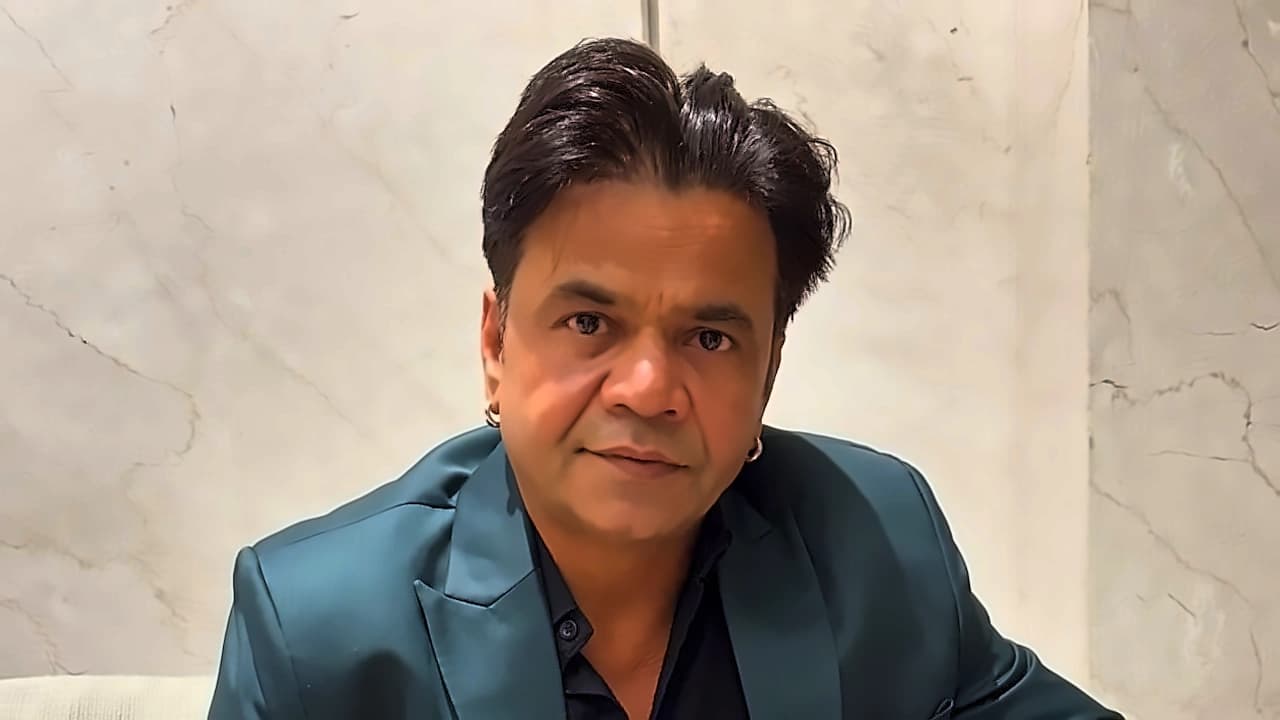
The dispute stems from unpaid dues that ballooned to nearly ₹9 crore after the commercial failure of Yadav's 2012 directorial debut, Ata Pata Laapata. As reported by The Times of India, this financial crisis led to the multiple cheque bounce cases that have now resulted in the court's sentencing. The case highlights the significant financial implications that can arise from commercial film failures in the entertainment industry, with the dispute even reaching the Delhi High Court Mediation Centre for resolution before being referred back to the regular court system.
The court further ordered Yadav's wife, Radha Yadav, to pay ₹5.51 lakh to the complainant in each of the seven cases. According to Bar and Bench, this additional liability demonstrates the comprehensive nature of the financial obligations stemming from the cheque bounce incidents. The court's decision to impose family liability reflects the legal principle that joint financial responsibilities extend to spouses in such cases, with Justice Sharma noting during the hearing that the court gave Yadav many chances to settle his debt but he failed to use these opportunities effectively. During the hearing, the High Court expressed dissatisfaction over Yadav's shifting stance, observing that despite repeated opportunities and assurances, he failed to honour the undertakings.
This sentencing follows a complex legal timeline that began in May 2024 when a sessions court convicted Yadav for six months in jail for cheque bounce. As reported by Bar and Bench, the High Court had initially suspended his sentence after his lawyer assured the court that a settlement would happen, but the dispute continued to escalate. Yadav had requested permission to pay ₹2.5 crore in instalments, which the court allowed, but he never deposited the committed amount. The matter came to a head in February 2026 when the High Court ordered Yadav to surrender before jail authorities after he failed to follow earlier court directions. His subsequent plea seeking extension of time to surrender was also rejected. Yadav ultimately surrendered on February 5 and remained in jail until the High Court later granted him interim suspension of sentence after he deposited ₹1.5 crore with the complainant company. Appearing for the complainant company, advocate Avneet Singh Sikka argued that Yadav had already accepted his conviction and could not now avoid liability, further noting that the revision petition filed in 2024 involved an unexplained delay of 1,894 days and lacked sufficient grounds for condonation.