Rajesh Exports Ltd. has categorically denied the findings of the Securities and Exchanges Board of India (SEBI) in an exchange filing on Thursday. The gold jewellery maker confirmed and acknowledged the interim ex-parte order it received from SEBI, but strongly rejected the regulator's allegations of financial misrepresentation. The company stated that there seems to be some type of communication gap and confusion between SEBI and the company, emphasizing that the revenues declared by the company are correct and there is no over stating of revenues. Rajesh Exports stressed that the order is interim and there has been no any adverse conclusion on any aspect arrived by SEBI, describing the current situation as preliminary in nature. The company also revealed that it has been engaged in discussions with SEBI for more than two years regarding the issues under examination, expressing confidence that SEBI would arrive at the correct conclusion based on the authenticated documents. In its latest filing, the company reiterated that it has done no wrong and all the reporting of the Company with regard to it's financials has been correct, with the company emphasizing that inflating the revenue for a publicly listed company will be adverse to the company as it will shrink its margins, therefore ruling out any reason for doing so.
According to company chairman and founder Rajesh Mehta, Rajesh Exports will resubmit all relevant documents within the next 15 days to help resolve the SEBI allegations. As reported by Goodreturns, Mehta explained that several hundred gigabytes of documents running into lakhs of pages had been submitted earlier, but believes the relevant files may not have been properly identified during SEBI's review. The Bengaluru-based gold refiner and jewellery exporter stated it had already provided an extensive volume of records to the market regulator during the course of the investigation. The company has decided to furnish the requested information again in an effort to address the concerns raised by the regulator, with Mehta expressing confidence that the matter would eventually be resolved in the company's favour despite the current restrictions.
SEBI passed an interim ex-parte order on June 3 against Rajesh Exports Limited and Chairman and Managing Director Rajesh Mehta, citing prima facie findings of financial misrepresentation, fund-routing irregularities and non-cooperation during an ongoing investigation. As reported by Moneycontrol, SEBI alleged that REL misrepresented consolidated revenues aggregating to approximately ₹15.15 lakh crore, representing 99.80 percent of the total consolidated revenue for the FY21 to FY25 period. The regulator also raised concerns over related-party transactions, suspected fund diversion and alleged disclosure lapses involving certain subsidiaries linked to the company's battery manufacturing business. The 109-page interim order also alleged that funds may have been routed through accounts linked to promoters, though Mehta categorically denied these allegations, asserting that no funds had been improperly transferred and that the company remains debt-free with no pledged promoter holdings. In the latest exchange filing, the company confirmed it was in the process of submitting all required and relevant documents to the regulator, expressing confidence that SEBI would arrive at the correct conclusion based on the authenticated documents.
Mehta responded to the allegations by explaining that Valcambi's business model involves buying gold, processing and adding value to it, and then selling it. According to Moneycontrol, the chairman clarified that SEBI is confusing consolidated revenue numbers with value addition figures. Mehta emphasized that the company recorded consolidated revenue of ₹15.5 lakh crore between FY21 and FY25, with the Switzerland unit refining 3,000 ton of gold over this period. The chairman explained that naturally, the company's revenue would be over ₹15 lakh crore given this massive refining capacity, and noted that the biggest SEBI observation relates to differences in revenue calculations, with the regulator only considering standalone revenue rather than consolidated figures. Addressing concerns over the scale of revenues relative to profits, the company's chairman highlighted that refining operations generate very large revenues but operate on relatively low profit margins. As a result, profitability can appear disproportionately small when compared with turnover, despite the underlying business activity being genuine. The company's latest filing clarified that the core observation with regards to a revenue misrepresentation has emerged primarily due to 'confusion', with the regulator only observing suspicion with regard to Revenues 'which is primarily because of confusion with regard to the Revenues of Valcambi'.
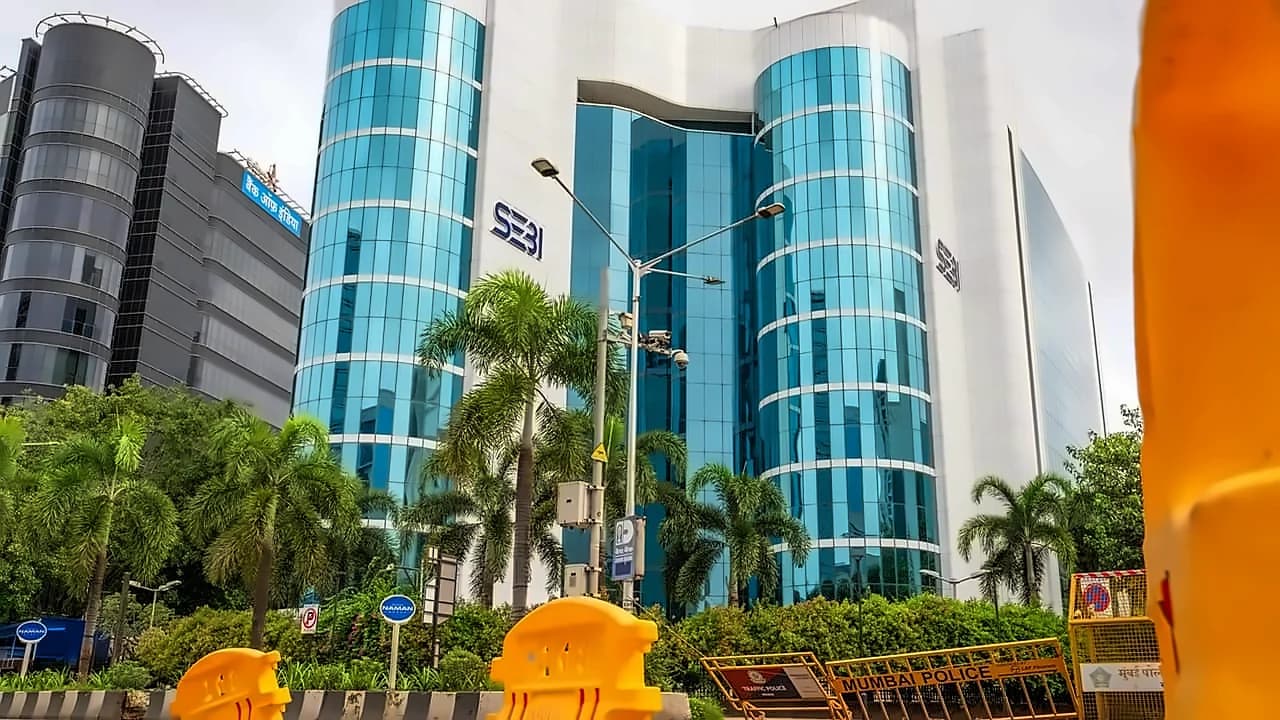
Shares of Rajesh Exports were locked in 5 percent lower circuit at ₹104.65 on the BSE following the SEBI allegations, with the stock movement reflecting investor concerns over the ongoing regulatory scrutiny and the interim order against the company's leadership. The market reaction highlights the immediate impact of regulatory concerns on investor sentiment, with the company currently in the middle of what Moneycontrol describes as a corporate storm. The regulator's order barred Mehta from accessing the securities market and directed a fresh forensic audit of the company's books. However, despite the restrictions, the chairman expressed confidence that the matter would eventually be resolved in the company's favour and indicated that Rajesh Exports is open to any further examination of its records and operations. Additionally, the controversy has drawn attention from the Ministry of Heavy Industries, which is reviewing the company's participation in the government's battery energy storage incentive programme. Sources indicated that officials are examining the implications of SEBI's findings, particularly in relation to Rajesh Exports' lithium-ion battery ventures, including Elest Pvt Ltd and ACC Energy Storage Pvt Ltd, with a final decision expected after a detailed review of SEBI's observations.