Blinkit is executing an aggressive expansion strategy beyond its core grocery business, leveraging its hyperlocal infrastructure to capture adjacent market opportunities. According to Business Standard, Blinkit's net order value (NOV) exceeded Zomato's core food-delivery NOV for the first time in Q1 FY26, with the combined businesses' consolidated B2C net order value reaching close to $10 billion annualised. The company's dark-store count has grown dramatically from 383 stores in Q2 FY23 to approximately 1,000 by December 2024 and roughly 1,800 by October 2025, with company guidance targeting 3,000 stores by March 2027. This expansion strategy is driven by CEO Albinder Dhindsa's vision to maximize selection within neighborhoods, with the company now offering up to 25,000 unique SKUs in some locations. The company has launched products across electronics, beauty, pet care, toys and games categories, while also introducing new service formats including Bistro for instant food delivery and Print for document printing.
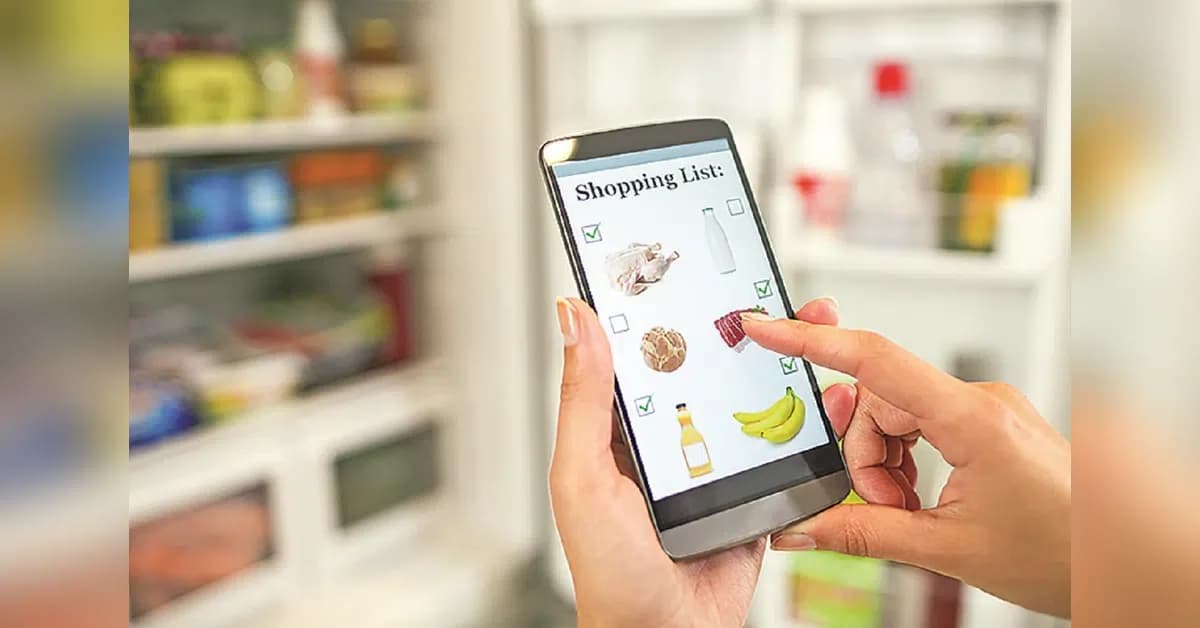
Online grocery has entered a new phase where delivery has become the dominant growth engine, with ultra-fast and same-day delivery of fresh groceries accelerating demand significantly. According to Brick Meets Click, total U.S. e-grocery sales posted six consecutive quarters of growth through March 2026, with delivery sales rising 30% year over year. The shift is most evident in major retailers' performance - Walmart achieved 26% online sales growth in Q1, with delivery orders growing by 45% and 36% of stores fulfilling orders delivered in three hours or less. Kroger reported 19% digital sales growth in Q1, with order rates improving by 8% and delivery fulfillment in less than one hour accounting for half of digital sales growth.
The premium grocery strategy is delivering measurable results in terms of customer spending patterns and financial margins. Walmart CEO David Guggina reports that customers using fast delivery spend two times more than the average digital customer, with those utilizing fast delivery four or more times spending three times more than the average digital customer. According to Brick Meets Click, same-day online grocery orders accounted for nearly 80% of all delivery orders across the grocery segment, with ultra-fast fulfillment within one hour comprising 18% of all delivery orders. The channel has become more profitable for consumer goods companies as it drives a higher mix of premium products, with premium households generating three to four times the average order value compared to typical quick commerce baskets worth ₹1,500-2,000. As reported by SPINS, premium baskets potentially worth ₹1,500-2,000 compared to typical orders of ₹500-700, with 78% of US shoppers saying sustainable lifestyle is important and 90% of Gen Z and Millennials actively avoiding certain ingredients.
Blinkit's financial trajectory shows significant growth alongside strategic expansion, though profitability remains a work in progress. The company reported revenue of ₹942 crore in Q1 FY25, up 22% quarter-on-quarter, with Gross Order Value (GOV) of ₹4,923 crore, up 130% year-on-year. However, the business continues to invest heavily in expansion, with Q3 FY25 showing an EBITDA loss of ₹30 crore despite 117% year-on-year revenue growth. The company's shift toward an inventory-led model, comprising approximately 80% of business by late 2025, has improved margins by 300 basis points, with management indicating this trend will continue over the next four to six quarters. Industry analyst estimates place Blinkit's share of Indian quick-commerce GMV/NMV in the 44-50% range through 2025, ahead of competitors Zepto and Swiggy Instamart, though these figures derive from third-party market intelligence rather than audited company disclosures.
The premiumisation trend is reshaping how consumer goods companies approach product launches and market strategies, with platforms now leveraging their growing scale to negotiate better financial terms. According to Business Standard, quick commerce platforms' access to first-party consumer data enables FMCG companies to identify demand at a neighbourhood level, shorten innovation cycles, and test new products more efficiently. Companies are also rolling out quick commerce-specific products and packs, with Reliance Retail renegotiating terms by combining grocery stores and its quick commerce platform JioMart as a combined offering to brands. However, challenges remain including the relatively small addressable market concentrated in metro cities, complex inventory management requirements, and potential impact from economic slowdowns on discretionary premium spending. The future success will depend on retailers and brands that can unify insight across channels, improve speed to decision, and deliver more relevant, localized shopper experiences through integrated data ecosystems and predictive intelligence systems.