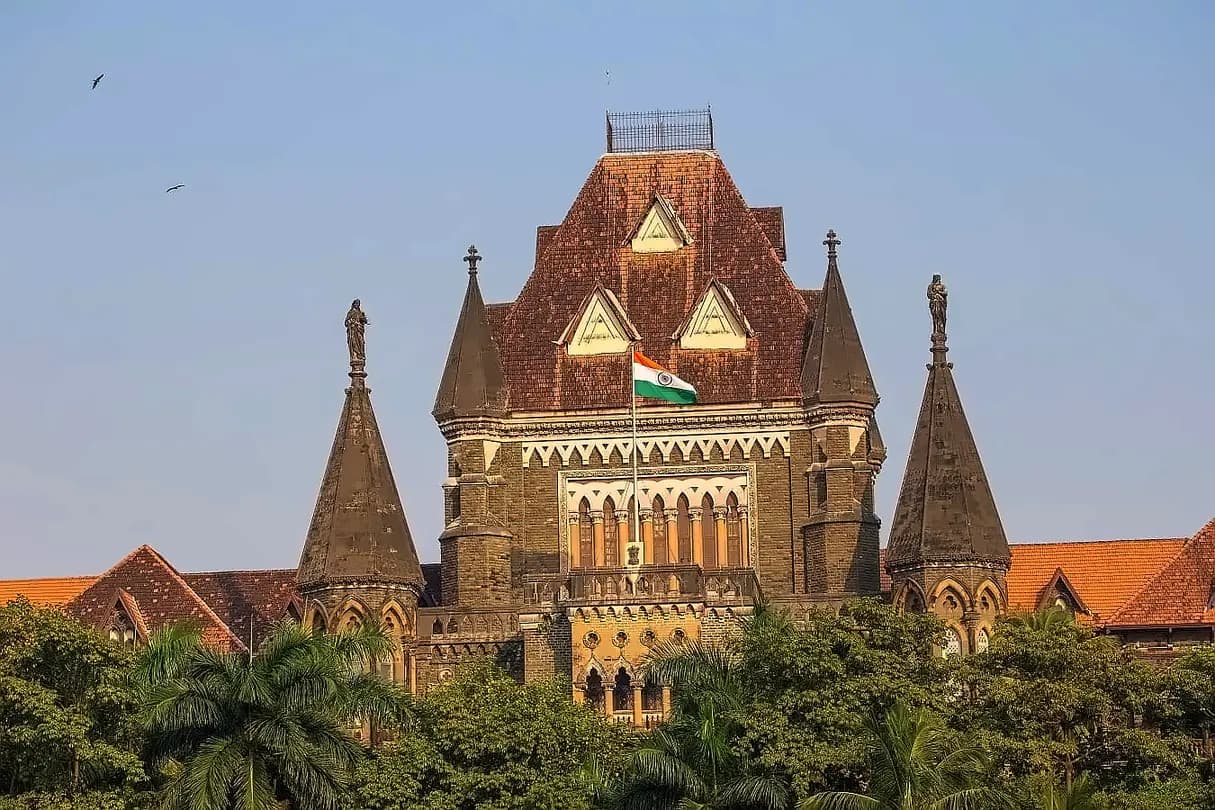
The Karnataka High Court on Wednesday sought the state government's response to a petition challenging the levy of a 2% cess on cinema ticket revenues under the Karnataka Cine and Cultural Activists (Welfare) Act, 2024. According to reports from Bar and Bench, Justice HT Narendra Prasad issued notice to the state on a petition filed by the Multiplex Association of India (MAI), PVR INOX Ltd and its shareholder Shantanu Pai. The petition challenges a series of recent circulars, office orders and enforcement notices seeking to implement the 2024 law, which provides for a cess on cinema revenues and earnings of 'related establishments'. The Court today said that the question of whether the relevant provisions of the 2024 Act will be gone into only after examining whether the Act itself has come into force. The matter is listed for hearing tomorrow, with the State government's counsel directed to take notice for respondent authorities.
The petitioners have argued that the state cannot collect the cess through administrative orders when the parent Act has not formally come into force. As reported by Bar and Bench, Senior Advocate Uday Holla, appearing for the petitioners, told the court that Section 1(2) of the Act clearly states that it would come into force only from a date notified by the state government in the Official Gazette. Holla argued that no such notification has been issued so far and questioned how the state could demand the cess through a circular without first bringing the law into force. Holla submitted that although the Karnataka Legislature had passed the Act, Section 1(2) specifically provides that it would come into force only on a date appointed by the State government through a notification in the Official Gazette. The petitioners said the Act received the Governor's assent on September 23, 2024 and was later published in the Gazette, but publication is different from issuing a notification specifying its commencement date. The petitioners have challenged the 2024 Act, the Karnataka Cine and Cultural Activists Social Security and Welfare Rules, 2025, the 2026 amendment to the Act, and various notifications, office orders and enforcement notices issued by the Labour Department. The petitioners are being represented by a team from Khaitan & Co.
According to the court proceedings reported by Bar and Bench, an August 29 circular directed theatres and multiplexes across Karnataka to collect an additional 2% on cinema ticket prices from September 1. An April 8 office order then directed officials to create awareness about the law and collect the 2% cess from cinema halls, including multiplexes. An March 10, 2026 notification appointed authorities under the Act and Rules. The petitioners have challenged the 2024 Act, the Karnataka Cine and Cultural Activists Social Security and Welfare Rules, 2025, the 2026 amendment to the Act, and various notifications, office orders and enforcement notices issued by the Labour Department. The petitioners have pointed out that administrative circulars and orders cannot substitute the statutory requirement of a commencement notification. Subsequently, enforcement notices were issued to multiplexes demanding the payment of the cess, which is meant to be used for the welfare of cine workers.
The petitioners have challenged the 2% cess on legal and constitutional grounds, stating that the Centre's Code on Social Security, 2020 already covers welfare and social security for workers, including those in the cine and cultural sectors. As reported by Bar and Bench, the petitioners said the cess is effectively a tax and does not meet constitutional requirements. They questioned its levy on multiplexes, which may not directly employ the workers who would benefit from it, and said the cess, along with GST, could affect multiplexes' business viability. The petitioners have further argued that the 2% levy is, in substance, a tax, even though it is described by the State to be a welfare cess. They contend that the levy does not satisfy the constitutional requirements governing taxation. The petitioners have also questioned whether it is reasonable to impose the cess on multiplexes, when they have no employment or direct relationship with the cine and cultural workers who are supposed to benefit from the move. They have sought a declaration that the 2024 Act has not come into force in the absence of a valid commencement notification and interim protection by urging the Court to restrain the collection and enforcement of the 2% cess until their petition is finally decided.
Justice H T Narendra Prasad, presiding over the single bench, issued notice to the state government returnable within a specified period. The court directed the State to file its response detailing the legal basis for the circulars and notices, and specifically addressing the petitioners' contention that the 2024 Act is not in force. While no interim order was passed on the date of hearing, the issuance of notice itself signals that the court is inclined to examine the matter closely. The case is expected to be taken up next after the State files its response. The court's approach reflects a cautious stance—one that balances the State's revenue interests with the need for strict adherence to constitutional mandates. The requirement of a reply ensures that the court has the benefit of the State's justification before deciding on the sought relief by the petitioners. This case has significant implications not only for multiplex operators in Karnataka but also for the broader legal framework governing the imposition of taxes and cess by state governments. If the High Court holds that the State cannot enforce a cess through circulars before the parent Act is brought into force, it would reaffirm the fundamental principle that executive action must always trace its authority to a valid law. Such a ruling could deter other states from attempting similar shortcuts in revenue collection.