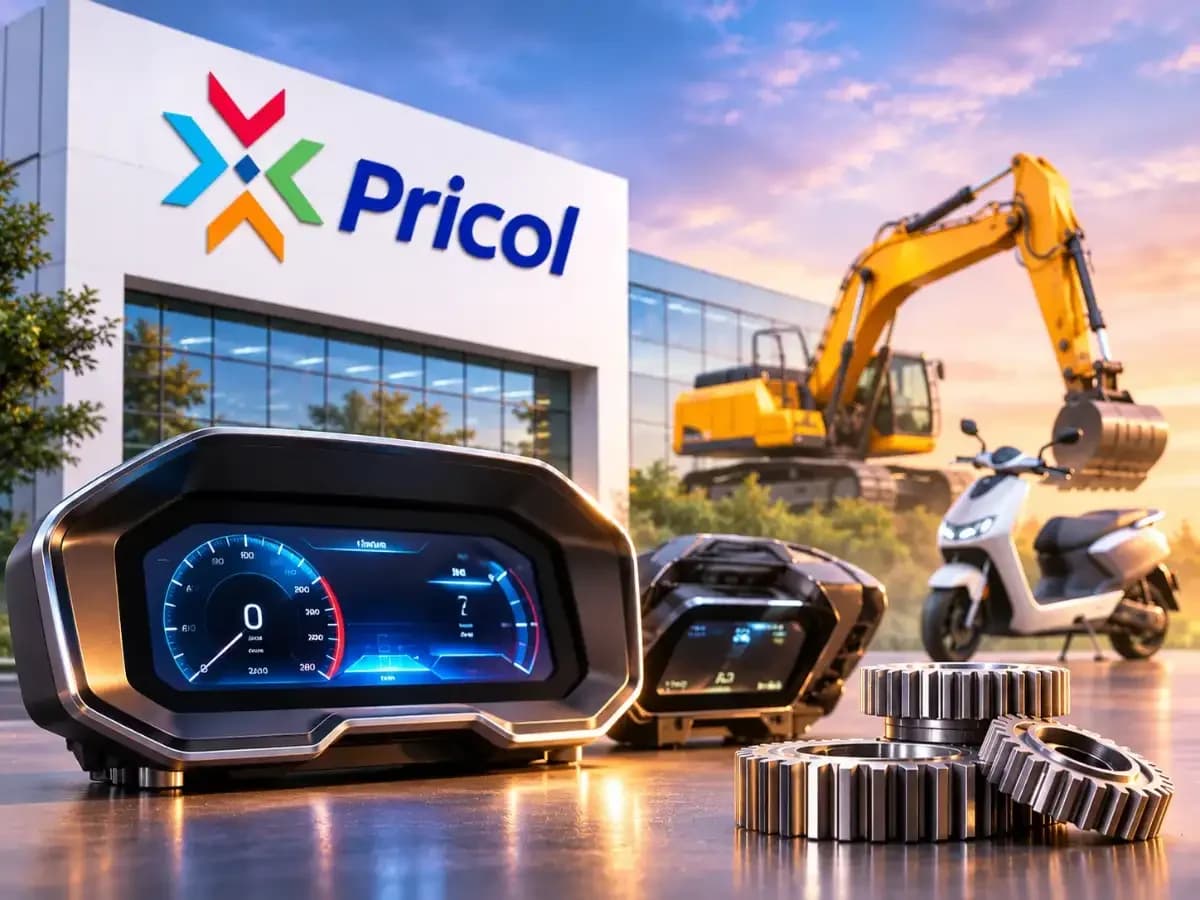
Pricol shares rallied 8.28% to ₹732.60 during Thursday's trading session following the company's robust Q2FY27 financial results. According to reports from The Economic Times, the company delivered impressive growth across key metrics, with consolidated net profit increasing 33.16% year-on-year to ₹85.21 crore in Q2FY27, compared with ₹63.99 crore in the corresponding quarter last year. Revenue from operations rose 35.03% to ₹1,334.02 crore from ₹987.93 crore in the year-ago period, demonstrating strong operational performance across the automotive components manufacturer. The company's standalone net profit grew 40.5% YoY to ₹63.98 crore, while standalone revenue from operations increased 37.8% to ₹1,018.23 crore. As per latest reports, Q2 revenue expanded to ₹1,334 crore from ₹990 crore in the corresponding prior-year period, representing a growth of ≈34.75% YoY, indicating sustained quarterly revenue execution above ₹1,300 crore.
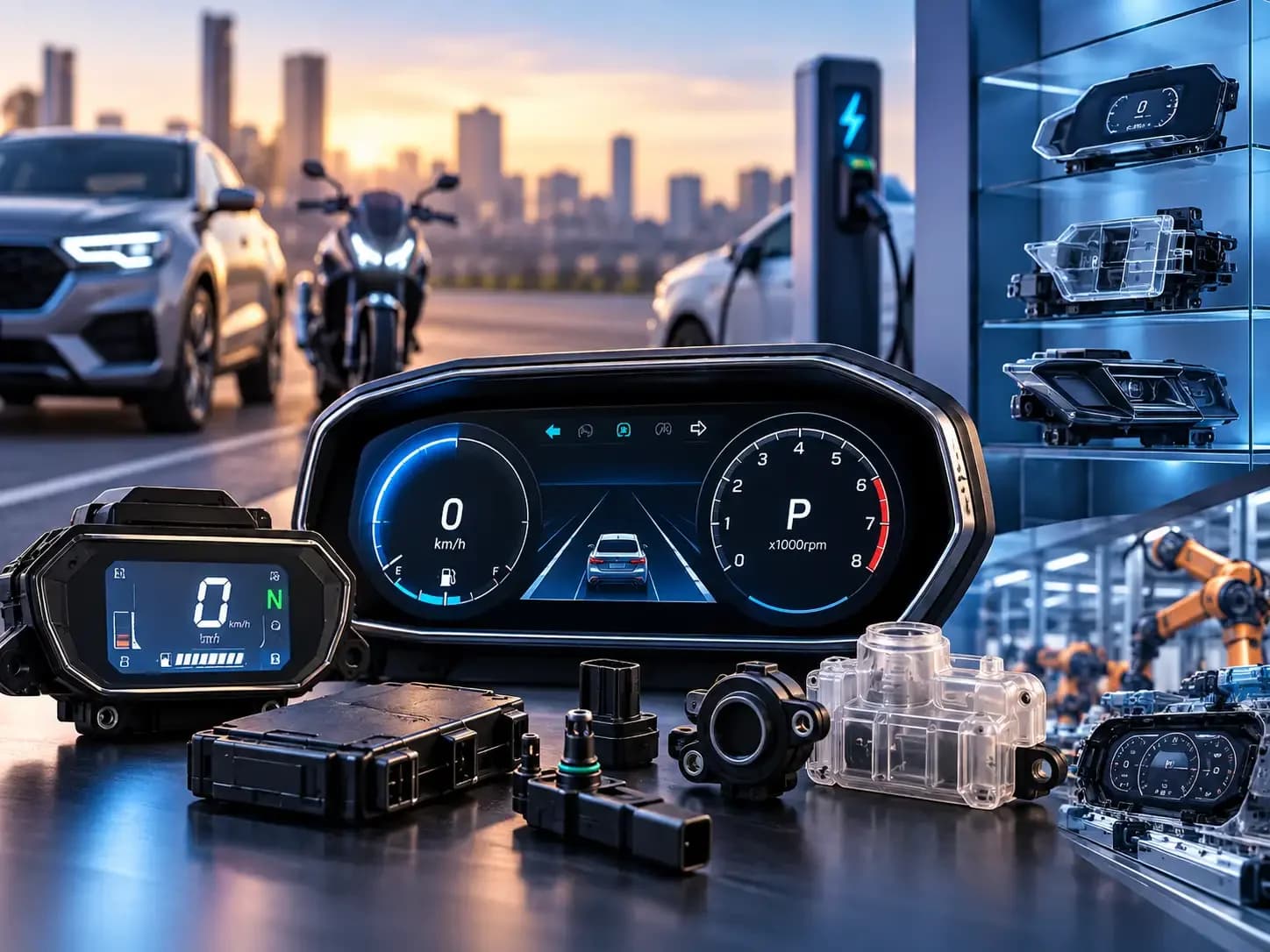
The company's operational efficiency improved significantly during the quarter, with consolidated EBITDA margin expanding to 11.46% from 10.12% year-on-year, representing a 134 basis points improvement. Consolidated EBITDA grew 52% to ₹152 crore compared to ₹100 crore in Q2FY26. According to the latest financial results, while revenue surged by nearly 38% on a standalone basis, cost of materials consumed rose by 40.5% to ₹735.31 crore, slightly outpacing revenue growth. However, employee benefits expenses grew by only 20.4% to ₹102.65 crore, suggesting improved labor productivity or operating leverage. The strong performance was supported by higher volumes and improved operational efficiency across segments, with quarterly topline expansion to ₹1,334 crore reflecting solid demand in instrument clusters and driver information systems.
Pricol has announced a significant capital expenditure plan of ₹500 crore to ₹600 crore across FY26 and FY27 to scale manufacturing capacity and support growing OEM demand. As reported by The Economic Times, the company initiated this two-year capex plan following fresh customer orders from Ather, Autoliv, Hanon, and Schneider. The capacity additions under this multi-year outlay support execution of newly secured OEM contracts and position Pricol effectively to capture growing OEM spending on vehicle electronics and smart cockpit solutions. The strong topline trajectory strengthens cash generation to fund ongoing capital expenditure without over-leveraging the balance sheet, with sustained revenue scale reinforcing positive momentum for auto ancillary suppliers linked to two-wheeler and commercial vehicle production cycles.
The company received significant recognition during the quarter, being honoured as one of the 'Iconic Brands of India 2026' at the ET Edge Iconic Brands of India Awards for its focus on customer trust, brand value and long-term stakeholder relationships. As reported by The Economic Times, Pricol also secured the 'Best Production Ramp-Up Support Award' from TVS Motor Company for its operational excellence and ability to support customer production requirements through cross-functional collaboration. Additionally, the company was honoured with the 'Excellence in Indigenous Design & Parts Development' Award for FY2025-26 by Komatsu India Private Limited for successful localisation of the 7-inch TFT cluster for the PC75/PC81 hydraulic excavator. Management emphasized that Pricol continues to adapt its strategies to changing customer expectations and industry developments, with an emphasis on technological advancement, product development, quality and reliability.
For the first half of FY27 (H1FY27), Pricol reported consolidated revenue from operations of ₹2,417.60 crore, registering a YoY growth of 29.59%. The consolidated EBITDA for H1FY27 stood at ₹281.42 crore, up 24.95% YoY, with an EBITDA margin of 11.64%. Consolidated profit after tax (PAT) for the half-year grew 33.68% YoY to ₹152.23 crore. Basic and diluted EPS for H1FY27 was ₹12.49, reflecting a 33.73% YoY increase. Commenting on the performance, Vikram Mohan, Chairman & Managing Director, stated that the focus remains on strengthening operational efficiency, maintaining cost discipline, and enhancing productivity amidst changing business dynamics. The Indian automotive component market is experiencing higher electronic content per vehicle driven by premiumisation, connected vehicle displays, and regulatory safety shifts, with advanced instrument clusters and telematics modules continuing to see strong demand from original equipment manufacturers.