India has witnessed an unprecedented surge in new business incorporations following the COVID-19 pandemic, with 2,47,755 companies registered in FY26 compared to 97,851 in FY17, according to data tabled by the ministry of corporate affairs (MCA) in the Lok Sabha. This represents a 150,000 company increase over the past decade, with nearly two-thirds (61%) of these registrations occurring in post-pandemic years from FY22 onwards. The services sector has led this momentum, with business services commanding the largest share at 25% of active companies, followed by manufacturing at 19%, community services at 15%, and trading at 14%.
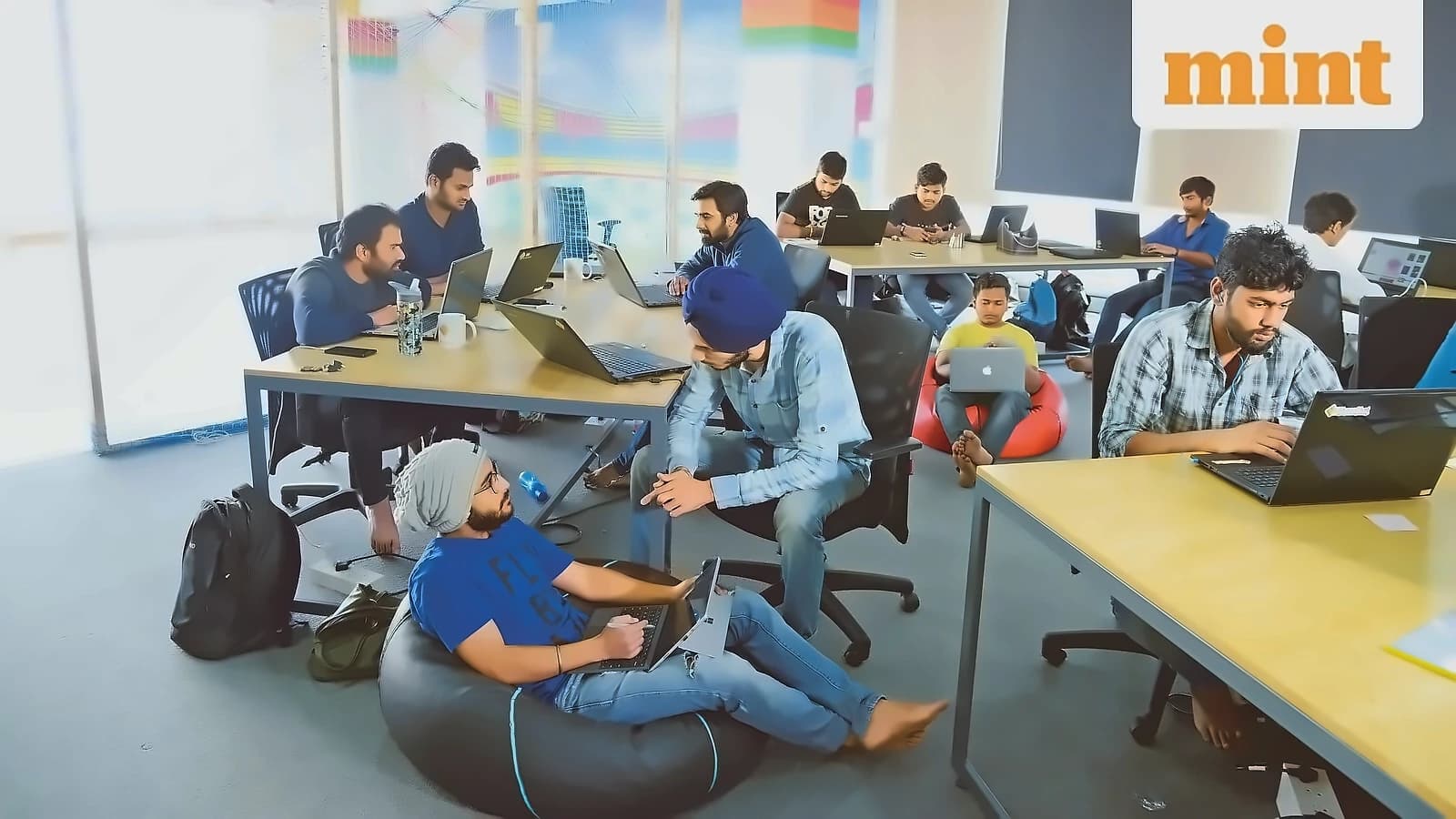
The pandemic accelerated entrepreneurial activity through rapid digital adoption and policy reforms. As noted by Suneeth Katarki, founding partner at IndusLaw, UPI transformed money movement within the economy, allowing entrepreneurs to access customers more efficiently than ever before. Digital infrastructure reduced transaction costs, expanded market reach, and enabled businesses to scale faster than in the pre-pandemic environment. Reforms such as streamlined goods and services tax (GST) helped create a more integrated domestic market, while low capital requirements combined with digital reach gave asset-light service ventures a major boost.
Entrepreneurial activity is increasingly expanding into regional markets beyond traditional economic centers. While Maharashtra consistently retained its position as the primary engine for business incorporations, states such as Bihar and Jharkhand witnessed a threefold surge in registrations over the past decade. North-eastern states have also recorded impressive momentum in new company setups, with traditional hubs like Delhi showing steady registration growth. However, experts emphasize that incorporation growth alone does not prove regional ecosystems are mature, requiring reliable physical infrastructure, digital connectivity, skilled local talent, and access to early-stage capital.
Despite earlier challenges, the manufacturing sector is now showing strong expansion plans backed by infrastructure growth. As per recent reports, 88% of manufacturers are planning expansion, driven by improved infrastructure development and skilled talent availability. The sector is particularly focused on integrated industrial parks and specialized manufacturing zones to address previous bottlenecks around land availability, reliable power supply, and industrial infrastructure. This represents a significant shift from the earlier struggles faced by manufacturing-led entrepreneurship, with the critical test now being whether India's corporate ecosystem can sustain this trajectory across multiple sectors.