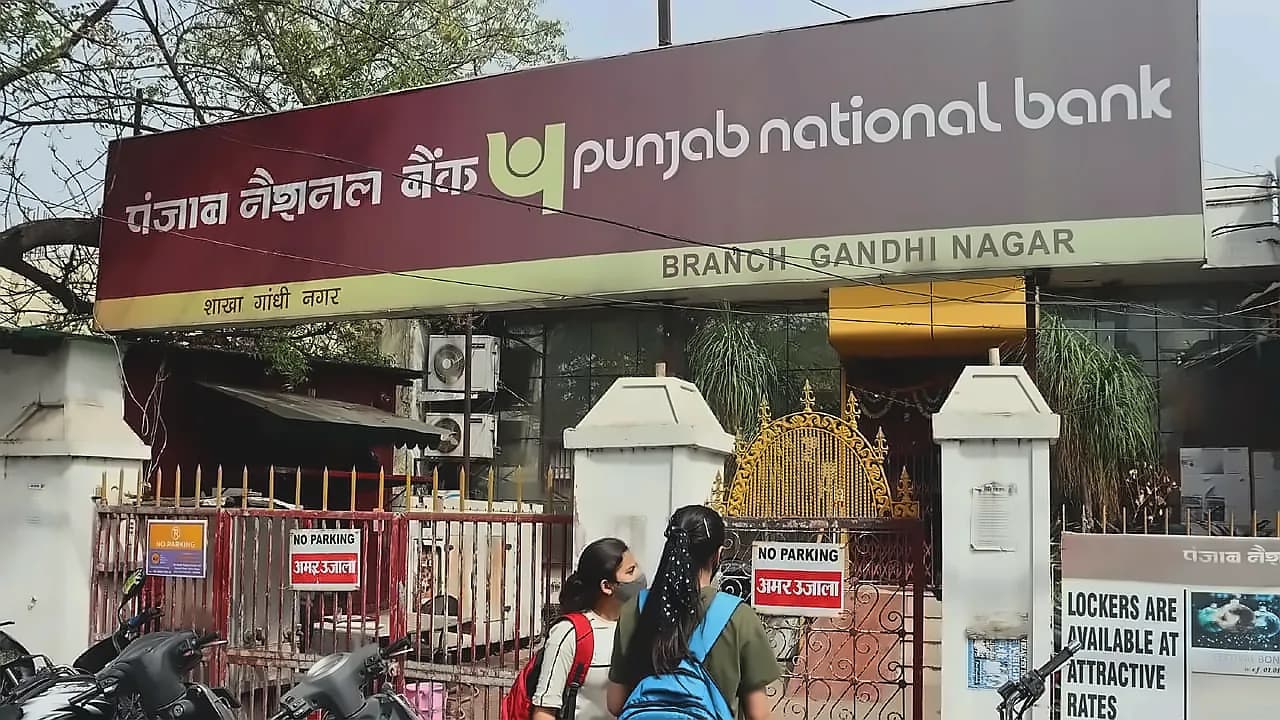
The ₹10.24 crore fraud at Punjab National Bank's Pi Branch in Greater Noida came to light during Vigilance Awareness Week (October 26-November 1, 2026), highlighting critical gaps in banking oversight. According to Business Standard, Farmer Vijendra Singh lost ₹87-88 lakh from his savings account, which held compensation received for land acquisition. When he checked his account, the balance had fallen to barely ₹1 lakh. The fraud affected multiple customers, with the bank's preliminary inquiry identifying approximately ₹10.24 crore in suspected unauthorised withdrawals, though earlier customer allegations put the amount at nearly ₹35 crore. The CBI arrested Deepanshi, an Office Assistant/Sub Staff member, and Ashutosh Kumar Pathak, a private individual from Pune on November 3, 2026.
The Central Bureau of Investigation (CBI) has arrested Deepanshi, an Office Assistant/Sub Staff member at Punjab National Bank's Pi Branch in Greater Noida and Ashutosh Kumar Pathak, a private individual from Pune in connection with an alleged ₹10.24 crore fraud at the bank's Pi Sector branch. According to reports from PTI, the agency registered an FIR on October 29, 2026 over the alleged unauthorised withdrawal of ₹10.24 crore from multiple customer accounts. The CBI has secured transit remand for the Pune-based accused, Ashutosh Kumar Pathak, from the Special Court for CBI cases in Pune, Maharashtra. Further investigation is currently underway.
As reported by PTI, the CBI has alleged that the accused bank employee, Deepanshi, carried out the transactions in connivance with Ashutosh Kumar Pathak and other unidentified persons. The FIR names Deepanshi, Pathak and unidentified public and private persons as accused under various provisions of the Bharatiya Nyaya Sanhita (BNS) relating to criminal conspiracy, breach of trust, cheating, falsification of accounts and criminal misconduct by public servants. The case also invokes provisions of the Prevention of Corruption Act and the Information Technology Act. According to Business Standard, the fraud allegedly occurred over the past three years, with the September 16, 2026 being the date when a customer approached the branch head over three suspicious debit transactions in her account.
A preliminary examination of system logs, user activity records and transaction details indicated that multiple unauthorised transactions had allegedly been carried out over an extended period by misusing core banking solution (CBS) user IDs belonging to different branch officials, according to the complaint reported by PTI. When the branch head questioned Deepanshi about the suspicious transactions, she 'broke down and admitted that the transactions were carried out on the instructions of one of the account holders, Ashutosh Kumar Pathak...who is known to her'. As reported by Business Standard, the investigation found that credentials belonging to six bank officials had been used for unauthorised transactions, with the bank's October 30 statement settling three claims totalling ₹43 lakh and assuring all genuine and valid claims would be honoured. The bank has reportedly suspended around 50 branch heads following surprise inspections that revealed outsiders working in banking areas including cash counters and branch computers.
The PNB case highlights systemic issues in banking oversight, with Business Standard noting that ₹10,114 fraud cases involving ₹48,021 crore were recorded by the RBI in 2025-26, compared to 23,722 cases involving ₹32,803 crore in the previous year. The report raises questions about staffing practices, with concerns that business correspondents, insurance representatives, and temporary workers may have legitimate duties but lack proper oversight. The investigation must establish whether system alerts were absent, inadequately designed, ignored, or improperly closed, while management must examine whether third-party sales targets leave sufficient time for transaction verification. Following the RBI's Master Direction on Fraud Risk Management issued on July 31, 2026, banks require board-approved arrangements covering prevention, detection, investigation, and recovery measures.