Indian contract drug manufacturer Piramal Pharma Ltd. has significantly reduced its exposure to Chinese raw materials as part of a broader strategy to limit supply chain concentration risk. According to reports from Business Standard, Nandini Piramal, chairperson at Piramal Pharma, stated that the company has 'gotten it down to single-digits' without providing specific figures. This strategic move aligns with global pharmaceutical companies increasingly seeking to reduce reliance on China for pharmaceutical ingredients and manufacturing amid rising geopolitical tensions and repeated supply chain disruptions.
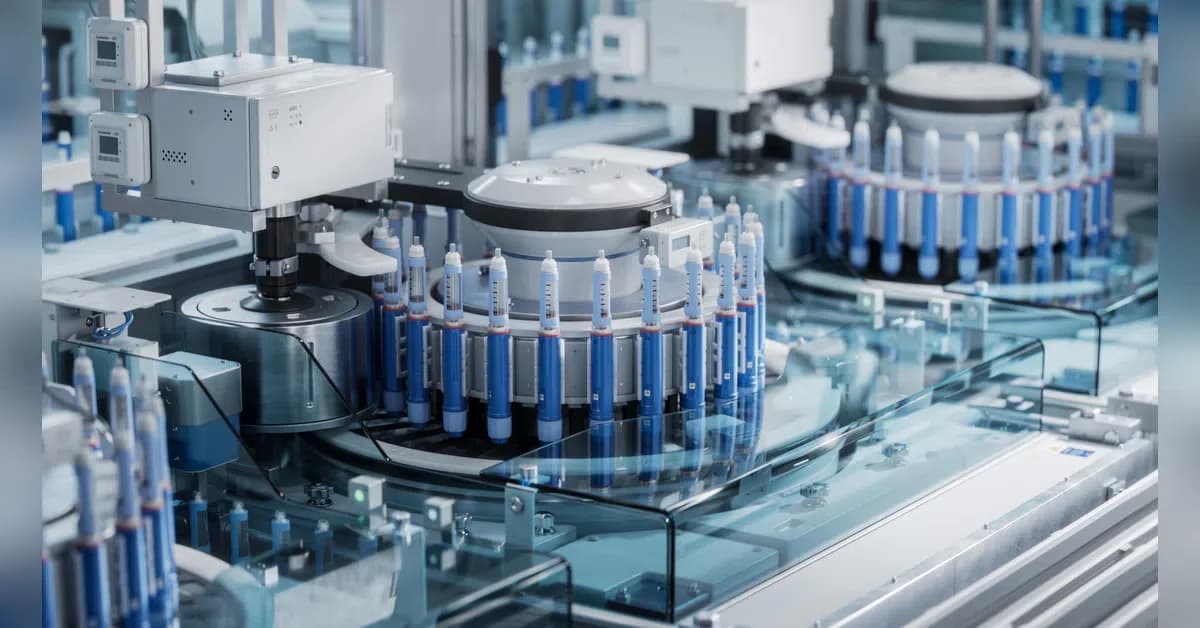
The company has made significant progress on its $85 million expansion in the United States, with Piramal Pharma Solutions recently opening a microbiology laboratory at its sterile injectable plant in Lexington, Kentucky. As reported by Business Standard, the new facility triples testing space and targets a 50% cut in batch release turnaround times for sterile injectables. Regulators cleared routine Good Manufacturing Practice work on September 11, 2026, with conditional approval for the adjoining sterility suite following soon after. The lab unit forms the first operational phase of the multi-year capital program, with crews now installing commercial-scale fill and finish equipment across the remaining space.
The reduction in Chinese exposure reflects a broader industry trend as countries globally work to diversify critical drug supply chains. As reported by Business Standard, former UK Prime Minister Rishi Sunak highlighted this opportunity during the Bloomberg New Economy Forum in New Delhi, noting that 'India can be a massive beneficiary' as countries learn from experiences in critical minerals not to have dependence on one country. Sunak emphasized that 'there is a similar dependence in key starting materials or the active pharmaceutical ingredients that are single sourced from China' and that India can provide resilience as a trusted partner.
The Mumbai-based drugmaker faces additional challenges from global economic turmoil, particularly in West Asia, which has driven up costs of drug raw materials and complicated sector economics. According to Business Standard, Piramal's firm derives over half its revenue from its contract manufacturing business, making it vulnerable to these cost pressures. The company is also affected by Section 232 tariffs in the US, which apply a 100% tariff rate to many patented drugs and associated ingredients, with 40% of its revenue derived from North America. Despite these challenges, the company's stock has risen 12.8% this year, though this represents middling performance compared to peers in the Nifty Pharma Index.