Pidilite Industries is currently trading at ₹1,469.60 as of February 5, 2026, representing a 0.63% increase from its previous closing price of ₹1,459.80. The stock has shown mixed performance with a -1.49% decline year-to-date but gained 2.15% over the last 5 days. According to latest market data, the company maintains a market capitalization of ₹1,49,563 crores with a TTM P/E ratio of 72.04, significantly above the sector average of 25.02. The stock has been trading in the range of ₹1,482.30 to ₹1,458.35, reflecting current market dynamics and investor sentiment. The 52-week high of ₹1,574.95 and 52-week low of ₹1,311.10 indicate significant price volatility, while the current dividend yield of 0.68% provides some income stability for investors.
According to latest financial reports, Pidilite Industries delivered robust 11% underlying volume growth in Q3FY26, with the consumer and bazaar (C&B) segment leading at 9.7% volume growth aided by premiumization. However, the company's operating margins compressed to 23.93% in Q3FY26 from 25.07% in the previous quarter**, representing an 114 basis points decline**. This margin pressure occurred despite employee costs remaining relatively stable, suggesting pressure from raw material costs or competitive pricing dynamics. The company's net profit declined 13.86% sequentially to ₹579.23 crores from ₹672.41 crores in Q2FY26, though it showed 8.36% year-on-year growth from ₹534.56 crores in Q3FY25. Recent quarterly performance shows continued margin challenges with Q2 FY26 revenue of ₹3,272 crores and operating margins of 24.10%, indicating sustained pressure on profitability despite strong volume growth.
Despite strong fundamentals, Pidilite Industries trades at stretched valuations that are now facing scrutiny. The stock currently trades at 72.04 times trailing earnings and 15.02 times book value, significantly above the peer group average of approximately 49 times P/E and 6.0 times P/B. The company's proprietary score of 44 out of 100 results in a "SELL" recommendation, reflecting the dichotomy between long-term quality and short-term challenges. While the stock offers a dividend yield of 0.68% and maintains a debt-free status with negative debt-to-equity ratio of -0.29, the substantial P/E premium of approximately 32% over peers raises concerns about valuation sustainability. The PEG ratio of 4.54 suggests the stock may be overvalued relative to its growth prospects, with ratios above 2.0 typically indicating expensive valuations. Recent market data shows the stock is 1.36 times as volatile as Nifty, indicating higher risk exposure for investors.
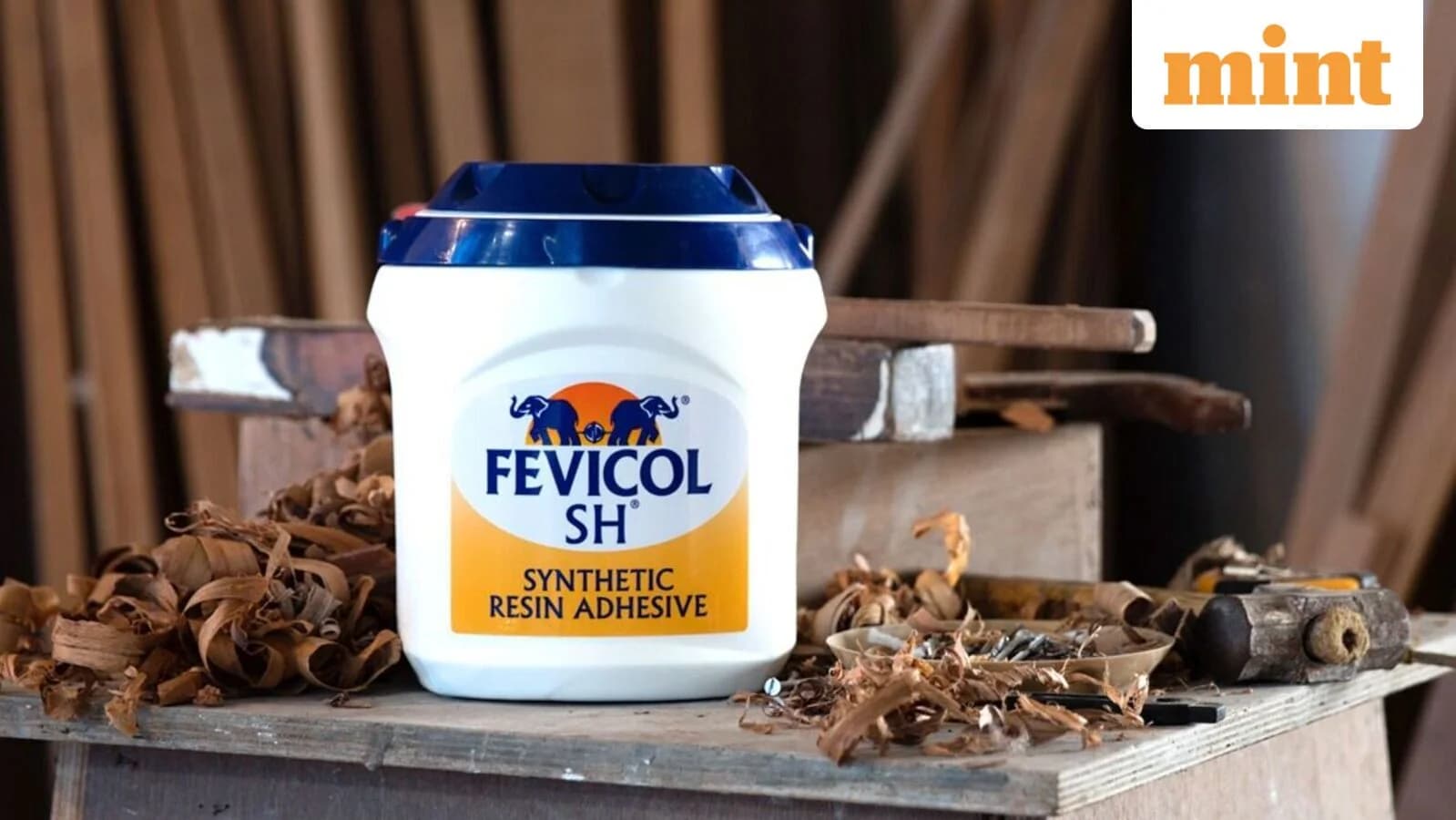
According to Mint, Pidilite is positioned for sustained growth through continuous innovations, strategic tie-ups for technologically advanced products, and 2-4x growth in pioneer and growth categories which represent 45% of sales. The company's core products include Fevicol, Fevikwik, Fevistick, and M-Seal, while waterproofing solutions fall under growth category, and new businesses such as wood finish products and epoxy adhesives are pioneer category. Management aims to bring B2B business back to at least mid-teen growth after facing pressure through Q3. The company has demonstrated resilience with urban demand recovery and rural demand outperforming, with the construction sector emerging as a key growth driver. Recent strategic initiatives include the acquisition of up to 20% stake in MagicDecor for ₹5.10 crores, marking Pidilite Ventures' entry into India's home improvement sector. The company's half-yearly debtors turnover ratio hit a low of 6.45 times, suggesting slower collection cycles or extended credit periods, while cash and cash equivalents declined to ₹265.21 crores - the lowest in recent quarters.
Market sentiment remains cautiously optimistic with 17 analysts having initiated coverage on Pidilite Industries. According to latest analyst data, 2 analysts have given it a strong buy rating while 9 analysts have given it a buy rating, indicating positive long-term prospects. However, 3 analysts have given the stock a sell rating, reflecting concerns about current valuations and margin pressures. The Mutual Fund holding decreased to 4.56% in December 2025 from the previous quarter, while FII holding stood at 12.01%, suggesting institutional investors are taking a more cautious stance. The stock's beta of 0.54 indicates lower volatility than the broader market, though the combination of low beta with recent challenges results in mixed risk-adjusted returns. Recent developments include board appointments and management changes, indicating active corporate governance and strategic restructuring efforts.