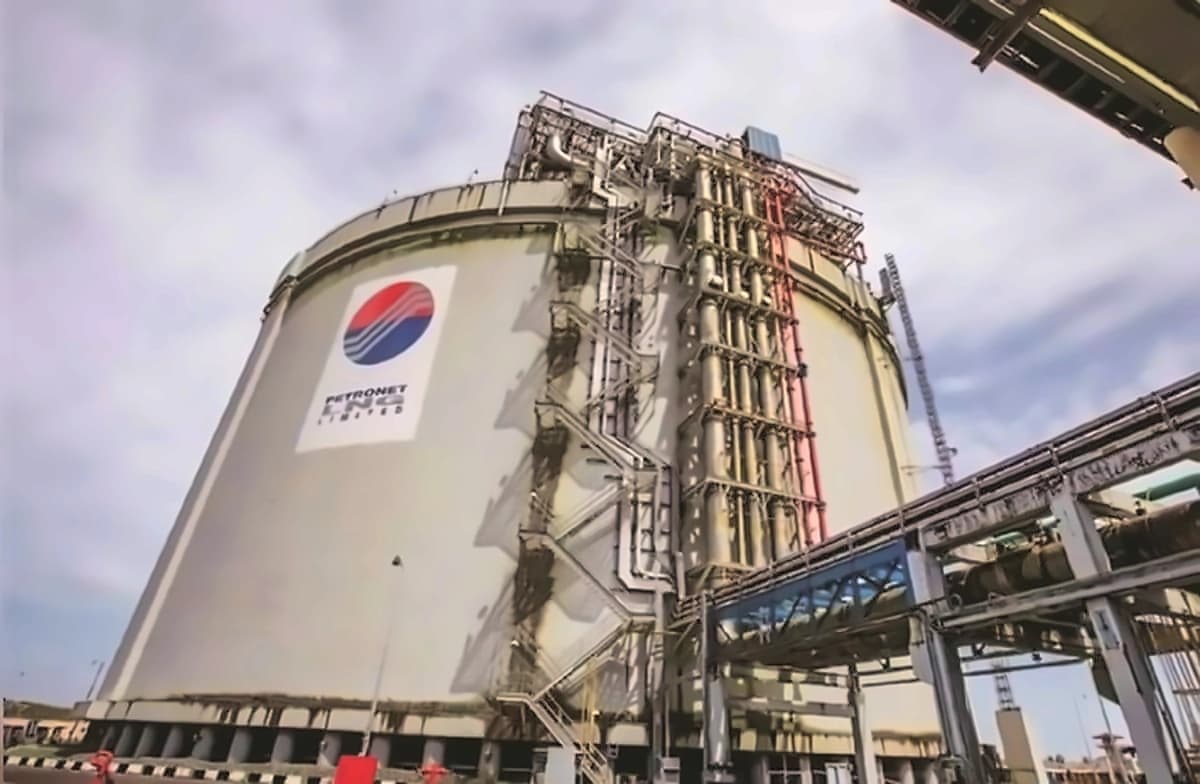
Petronet LNG has signed a binding term sheet on 22 October with Gruner Renewable Energy Private Ltd for establishing a comprehensive compressed biogas (CBG) portfolio across India. According to the company's exchange filing, this represents a significant milestone as the term sheet outlines the terms for a 50:50 joint venture dedicated to setting up CBG plants. The document lays out the framework for incorporating the venture as a private limited company, with both partners holding equal equity stakes and board representation following shareholding proportions. The binding term sheet marks the transition from preliminary discussions to a formal agreement, though the actual incorporation and establishment of the joint venture remains pending.
The proposed partnership envisages the development of 10 CBG plants, each with a designed capacity of 18 metric tonnes per day, resulting in an aggregate planned capacity of approximately 180 metric tonnes per day. As reported in the exchange filing, the estimated capital outlay for the proposed portfolio is around ₹1,200 crore, representing an average investment of roughly ₹120 crore per plant. The filing describes a comprehensive scope covering the entire value chain from raw material to sale, including production, manufacturing and processing of CBG, compression, distribution, storage and transportation, supply, trading and sale of CBG, along with associated by-products and development, establishment, operation, maintenance and commissioning of CBG plants.
The proposed joint venture represents a first-of-its-kind model in India, where the JV partner undertakes the complete value chain from feedstock sourcing to organic manure offtake. According to Gruner Renewable Energy's statement, the venture will handle the development, establishment, operation, maintenance and commissioning of CBG plants, along with associated by-products. The filing notes that the joint venture may explore other business opportunities related to bioenergy, though CBG remains the clear focus for now. The partnership brings together Petronet LNG's established position in India's LNG and natural-gas infrastructure ecosystem with Gruner Renewable Energy's expertise in CBG project development, engineering, feedstock mobilisation and plant operations. The venture will handle various stages of the compressed bio-gas business, including sourcing feedstock, producing and processing gas, compression, storage, transportation, distribution and sales.
The binding term sheet announcement demonstrates a gas-sector company putting real money behind biogas through a strategic partnership approach. As reported in the exchange filing, splitting ownership equally and sharing board control spreads the risk and decision-making between the two firms. The proposed JV could represent a defining moment for India's CBG industry by bringing greater structure, scale, technology and institutional strength. The partnership signals the possibility of a more organised and commercially sustainable CBG ecosystem, provided the projects are implemented successfully and supported by reliable feedstock, financing and offtake arrangements. For Petronet LNG, the proposed JV provides entry into India's emerging renewable-gas economy and diversification across the broader gas and clean-energy value chain. CBG is increasingly being viewed as a complementary fuel to natural gas, especially for industrial, transport and commercial applications, allowing the company to leverage its presence in gas infrastructure, energy markets and large-scale project development while building capabilities in a new renewable gas segment.
The next critical milestones for the joint venture include the incorporation of the private limited company and the identification of the first plant locations. According to the exchange filing, the binding term sheet does not specify where the 10 plants will be located, which feedstock they will use, how the ₹1,200 crore will be funded, or when the plants are expected to start operating. These operational details will be crucial for assessing the timeline and feasibility of the proposed programme. The projects are expected to convert agricultural and other organic waste into renewable gas while creating potential economic opportunities across the agricultural, logistics, engineering and energy sectors. The partnership could provide a stronger platform for evaluating and financing a larger portfolio of CBG projects, which require significant upfront investment and long-term execution, with the future of CBG depending on consistent delivery at industrial scale.