Oil Marketing Companies are facing substantial losses on petroleum products despite recent price increases. OMCs are likely to incur losses of ₹74,000-84,000 crore on petrol and diesel sales in the June 2026 quarter, according to industry estimates. Despite a cumulative rise of nearly ₹7.5 per litre since May 15, the increase is insufficient to offset current per litre losses of ₹12 on petrol and ₹21 on diesel. As per ET Intelligence Group, OMCs may incur losses of ₹74,486 crore in the June quarter based on prevailing petroleum product prices. The losses are attributed to under-recoveries - the loss an oil company incurs when it sells fuels for less than what it costs to buy and refine crude to produce them. State-owned oil firms are incurring losses of ₹1,600-1,700 crore per day, over ₹1 lakh crore in 10 weeks amid the current crisis, according to latest reports.
State-run Oil Marketing Companies are currently incurring losses of around ₹650 on every domestic LPG cylinder sold, according to Sujata Sharma, Joint Secretary in the Ministry of Petroleum and Natural Gas (MoPNG). Speaking at a press conference on June 1, she revealed that there is still under-recovery of ₹650 a cylinder on domestic LPG amid rising international prices. The latest data shows these losses have persisted, with OMCs continuing to suffer significant under-recoveries from selling petroleum products below cost. Additionally, under-recoveries on the sale of aviation turbine fuel (ATF) stand at ₹30 per litre, though this under-recovery is variable based on international prices. The cost of supplying a 14.2-kg domestic LPG cylinder has risen by about two-fifths in recent months, driven largely by a surge in international benchmark prices, yet retail prices for households have remained frozen. The price of a 14.2-kg domestic LPG cylinder continues to stand at ₹913, a level that has remained unchanged since March.
As part of the monthly fuel price revision, commercial LPG prices have been increased by ₹42 to ₹3,113.50 per 19-kg cylinder, while domestic LPG prices remain unchanged at ₹913 per 14.2-kg cylinder. The commercial LPG price was last revised on May 1 through a steep ₹993 hike to ₹3,071.50 per cylinder, reflecting the challenging market conditions. In Delhi, the price of the LPG cylinder has been increased by ₹42 to ₹3,113.50, while in Kolkata, it is up ₹53.50 to ₹3,255.50. Additionally, 5-kg Free Trade LPG (FTL) cylinders were increased by ₹11 to ₹821.50 per cylinder, taking the retail price in Delhi to ₹821.50. There was no fresh revision in petrol and diesel prices this month, following increases of around ₹7.50 per litre implemented last month as fuel retailers sought to partially offset mounting losses. In Delhi, petrol currently costs ₹102.12 per litre and diesel ₹95.20 following last month's revisions.
Aviation turbine fuel (ATF) for domestic airlines remained unchanged at ₹1,04,927.18 per kilolitre for a second straight month, after oil marketing companies absorbed higher international energy costs to avoid an immediate impact on airfares. However, international carriers benefited from a 27% cut in ATF prices to approximately $1,100 per kilolitre, down from $1,511.86 per kilolitre in May. According to The Financial Express, state-run retailers are currently facing under-recoveries of around ₹30 per litre on domestic jet fuel sales, with this under-recovery being variable based on international prices. The reduction follows a period of extreme volatility, with international ATF prices having increased by $76.55 per kilolitre, or 5.33 per cent, to $1,511.86 per kilolitre on May 1 after surging to $1,435.31 per kilolitre in April amid a spike in global energy prices triggered by the West Asia conflict. The divergence reflects the government's policy of insulating households from volatility in international LPG markets, while commercial LPG rates are revised monthly in line with global benchmarks.
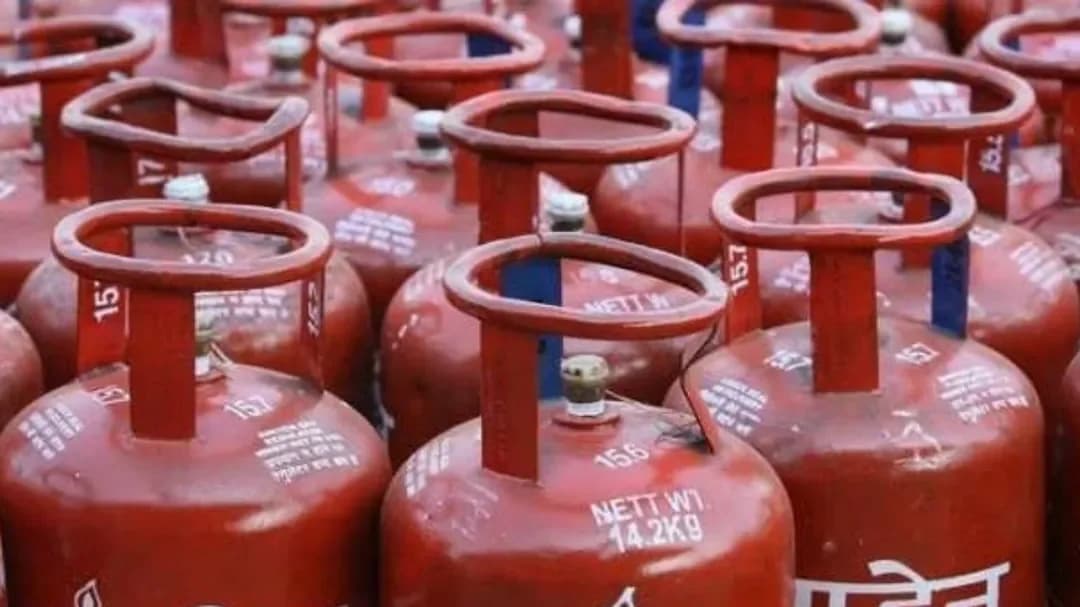
For beneficiaries of the government's flagship Ujjwala scheme, the gap is even wider - a domestic LPG cylinder that costs roughly ₹1,200 to supply is available to Ujjwala consumers at an effective price of ₹613 after the ₹300-per-cylinder direct benefit transfer subsidy, according to government estimates. The support framework is tied to the Pradhan Mantri Ujjwala Yojana, under which more than 100 million households have received LPG connections since 2016, alongside a capped subsidy of ₹300 per cylinder. Despite the rise in global prices, India's household LPG rates remain among the lowest in the region, with both subsidised and non-subsidised domestic cylinders priced below comparable cooking gas cylinders in neighbouring countries. The government has approved compensation of ₹30,000 crore to state-owned oil marketing companies in the current fiscal year to offset part of the burden from rising import costs.
The current pricing environment suggests continued under-recoveries for OMCs, with gross under-recoveries likely to be ₹1.1-1.2 lakh crore in the June quarter including LPG, according to Equirus Securities. LPG under-recoveries are estimated at ₹32,500 crore due to elevated Saudi contract prices and unchanged retail LPG prices. As per Equirus Securities, if Brent crude sustains above $100 per barrel, an additional retail fuel price increase of ₹5-6 per litre in petrol and diesel would be required to avoid EBITDA pressure. The government also lowered excise duty by ₹10 per litre on auto fuels in March, providing some relief. The latest numbers underscore the scale of pressure facing state-run fuel retailers amid the ongoing energy crisis, with the question for policymakers being how long OMCs can continue absorbing the cost of maintaining fuel price stability as tensions in West Asia continue and global crude oil markets remain volatile.