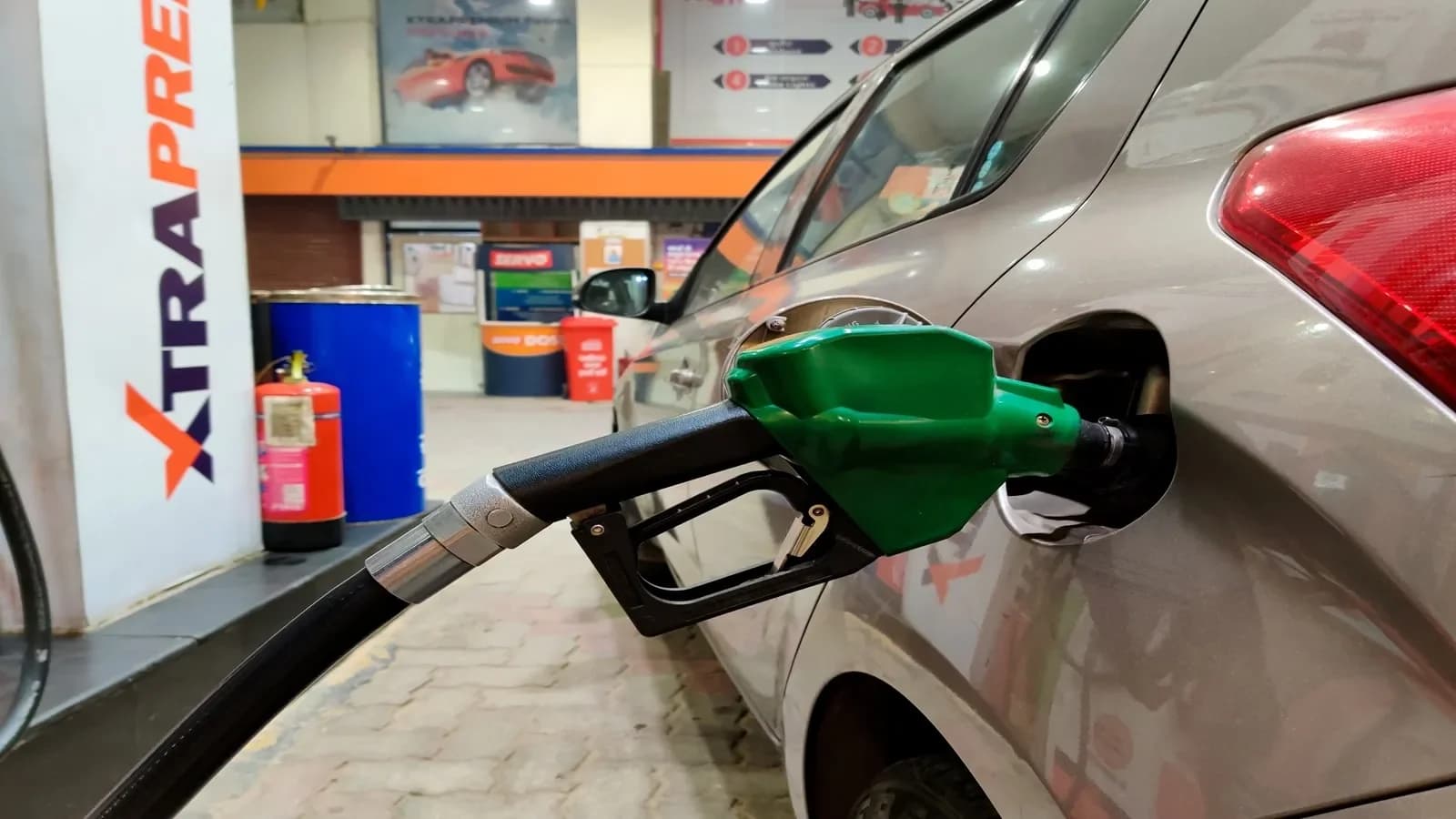

Fuel prices have been increased for the fourth consecutive time since May 15, with the latest revision pushing petrol prices up by ₹2.61 per litre and diesel by ₹2.71 per litre, according to reports from PTI. Petrol prices were raised to ₹102.12 a litre in Delhi from ₹99.51 previously, while diesel rates were increased to ₹95.21 per litre from ₹92.49. The back-to-back increases follow a prolonged freeze in retail fuel prices and come amid elevated crude oil prices in the global market, tightening refining margins, and a weaker rupee.
After Monday's increase, petrol at PSU pumps in Mumbai now costs ₹111.21 per litre and diesel ₹97.83, while prices in Kolkata rose to ₹113.51 and ₹99.82, respectively, as reported by PTI. In Chennai, petrol is priced at ₹107.77 and diesel at ₹99.55. Prices vary across states due to local taxes, with the cumulative increases in petrol and diesel prices having nearly touched ₹7.5 per litre since fuel price revisions resumed on May 15.
The latest increases follow a series of hikes: petrol and diesel prices were increased on May 15 by ₹3 per litre each, on May 19 by 90 paise a litre, followed by an 87-paise per litre increase in petrol and a 91 paise hike in diesel rates on May 23. According to PTI, global crude oil prices surged more than 50% since late February following US-Israeli strikes on Iran and disruptions to shipments through the Strait of Hormuz, a critical global oil transit route. However, crude oil prices were trading more than 5% lower on Monday after US President Donald Trump indicated that negotiations with Iran to reopen the Strait of Hormuz are advancing.
A fourth consecutive hike in petrol and diesel prices, combined with a sharp fall in global crude oil prices, is positive for Indian oil marketing companies (OMCs), as reported by PTI. This is because their raw material cost — crude oil — declines, while the selling price of petrol and diesel rises. The wider gap between input costs and retail fuel prices improves their marketing margins, boosting profitability. Lower crude prices also reduce inventory losses and ease pressure on working capital, strengthening the overall earnings outlook for OMCs.
State-owned Indian Oil Corporation (IOC), Bharat Petroleum Corporation Ltd (BPCL), and Hindustan Petroleum Corporation Ltd (HPCL) together control 90% of India's fuel market, according to PTI. The consecutive fuel price hikes come after a long period of unchanged retail rates and amid persistently high crude oil prices in the global market, stoking concerns over inflationary pressures and higher transportation costs across the economy.