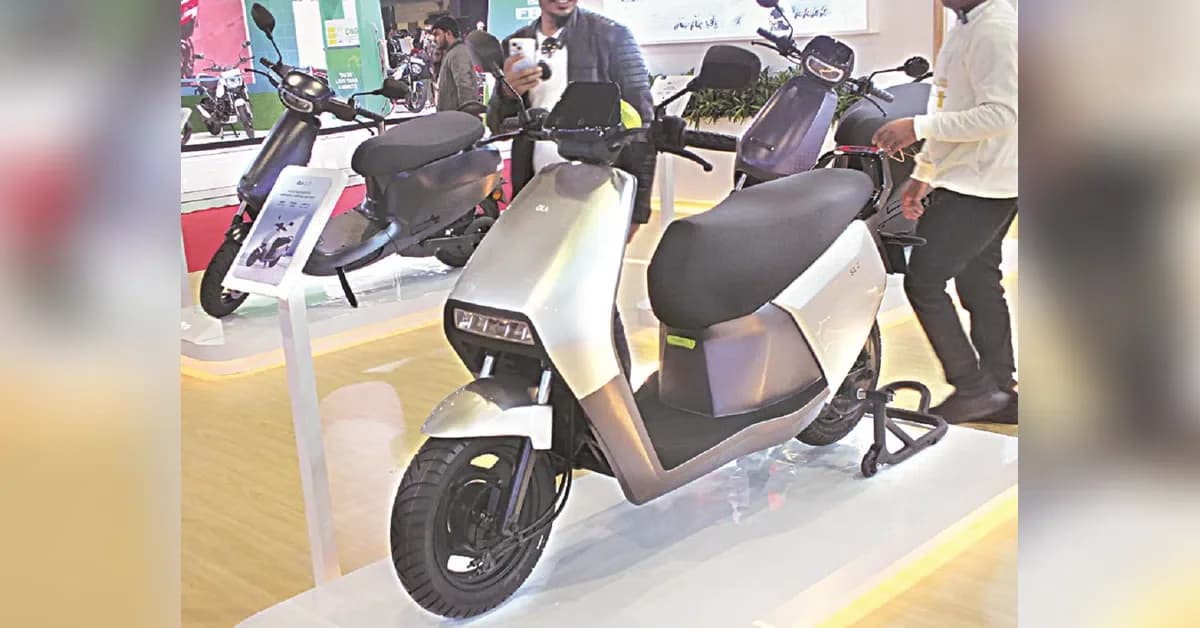
Despite months of viral complaints over delayed repairs and service issues, Ola Electric Mobility Ltd has reported a V-shaped recovery in customer demand. According to Chairman and Managing Director Bhavish Aggarwal during the company's earnings call, inventory levels have dropped to three-to-four days with the company now maintaining an order backlog. As reported by NDTV Profit, Aggarwal stated that "People are buying whatever they can find in the network from us" as demand has rebounded sharply in recent weeks. The CEO characterized the period as having "service challenges and we were focused on solving them" while emphasizing that "Brand has actually held well" despite sustained online criticism.
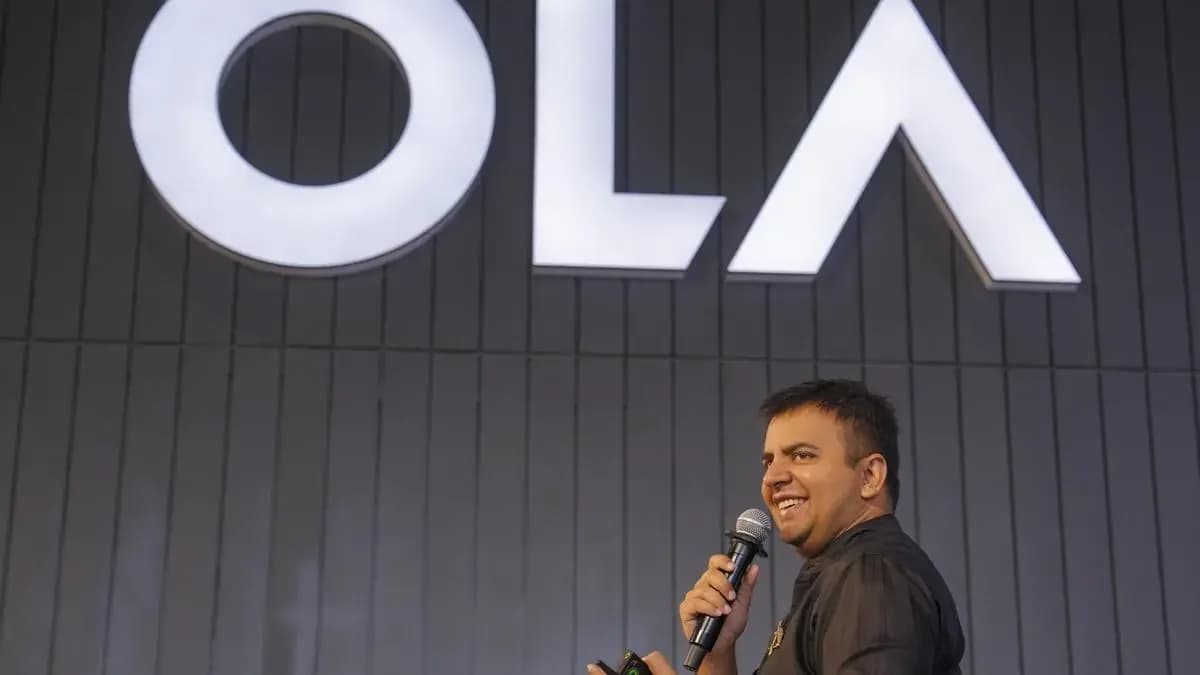
Bhavish Aggarwal, Chairman and Managing Director of Ola Electric Mobility Ltd, has made an implicit bargain with shareholders in his May 2026 letter, asking them to judge the company less by balance sheet burn and more by the industrial foundations created. According to reports from The Hindu BusinessLine, Aggarwal characterized FY26 as a year of reset for the company, focusing on strengthening fundamentals including service quality, product margins, and operational efficiency. The CEO acknowledged that service had become 'the largest constraint on demand and brand trust,' while positioning the company's battery platform as the more enduring asset.
The company demonstrated significant operational improvements in Q4 FY26, achieving its first operating cash-flow positive quarter with consolidated cash flow from operations of ₹91 crore. As reported by The Hindu BusinessLine, gross margin rose to 38.5% from 13.7% a year earlier, while consolidated operating expenses nearly halved to ₹428 crore from ₹844 crore. The warranty cost reduction was particularly notable, falling to ₹59 crore in FY26 from ₹555 crore in FY25, despite deliveries dropping 43.5% to 173,794 units. Service delays improved significantly from around nine days in October 2025 to nearly one day by March 2026.
Ola Electric has positioned itself across what it calls 'the two most important pillars of India's energy future, electric mobility and batteries.' According to the company's investor presentation, the Gigafactory currently has 2.5 GWh of operational capacity, with installation for a 6 GWh commercial ramp largely complete and expected to be fully commercialized by the end of the current quarter. The company claims to have commercialized dry-electrode manufacturing technology, which can reduce capital expenditure by 33%, lower energy consumption by 40-60%, and shrink factory footprint by 70% compared with conventional processes. About 15% of current vehicle orders already use Ola-made cells, with the company expecting its entire product portfolio to transition to in-house batteries by September 2026.
Citing Avendus Research, Ola Electric estimates India's battery market could reach 420 GWh annually by 2035, representing a roughly $30 billion opportunity. The company plans to expand its battery capacity from 6 GWh to 20 GWh through a capital raise at the cell subsidiary level, suggesting the battery business could eventually attract standalone funding. Beyond vehicles, Ola has launched Shakti, a distributed energy-storage product with more than 50,000 leads and over 200 distributor partners, and is developing Mahashakti, a utility-scale storage system targeted for launch in calendar year 2027.