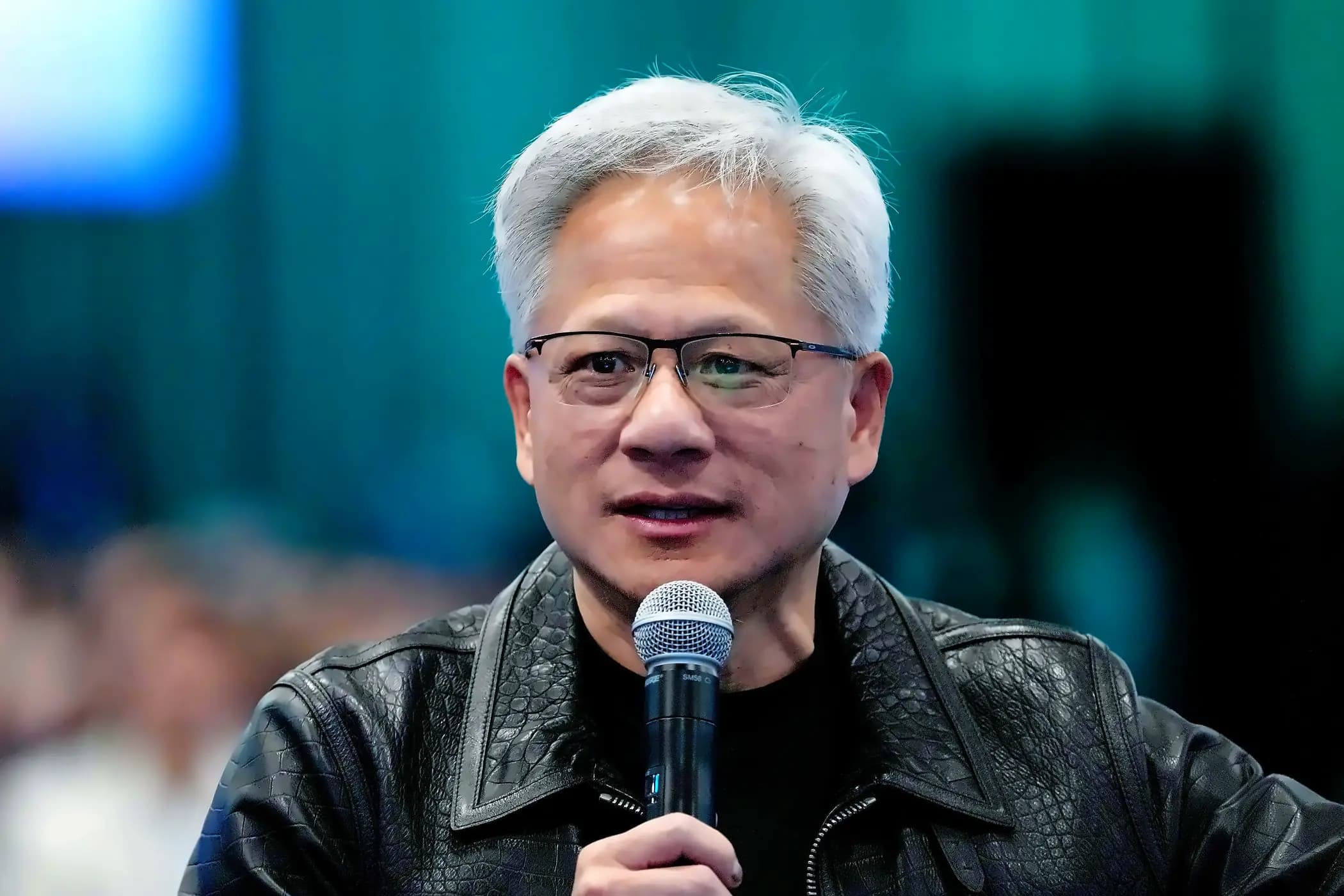
Lawmakers from both sides of the aisle are ramping up calls for investigations into reports of Nvidia CEO Jensen Huang's relationship with an alleged Chinese spy. Senator Chris Coons (D-Del.), who is in line to chair the Senate Foreign Relations Committee when his party takes control of the chamber in January, posted on X that "The more I learn about the insane relationship between the Trump Administration, Chinese spies, and AI billionaires, the more I'm convinced there is nothing this administration does that isn't corrupt. Congress will investigate and get answers." Three House Republican committee chairs - House Foreign Affairs Committee Chairman Brian Mast, Select Committee on China Chairman John Moolenaar, and House Intelligence Committee Chairman Rick Crawford - have invited Huang to an in-person joint briefing on November 18, specifically scheduled one day after Nvidia's third-quarter earnings report. The letter, dated Wednesday and released Thursday, states that "Recent reports raise significant national security concerns regarding the [People's Republic of China's] access to sensitive U.S. technology and information" and seeks details about Huang's interactions with Alice Huang and Nvidia's security protocols against foreign espionage.
Policymakers in the Trump administration received a memo last spring with intelligence identifying Alice Huang as having been recruited by China's Ministry of State Security and revealing her relationship with Nvidia's chief executive, according to The New York Times first reported on Friday. The reports refer to Huang's alleged relationship with Alice Huang, a Chinese citizen and executive at Megaspeed, a Singapore-based tech company that the U.S. has suspected of helping China circumvent artificial intelligence chip sales prohibitions. Rep. Seth Magaziner (D-R.I.), who sits on the House Committee on Homeland Security, called on Commerce Secretary Howard Lutnick to testify before Congress along with Huang, as reported by CNBC. Separately, Texas Republican Sen. John Cornyn shared a Times article published Saturday reporting that the Trump administration approved a Chinese firm, New Matrix, to assemble chips for Nvidia in Beijing. The Times found little evidence of meaningful operations at its listed address, despite Trump's Commerce Department clearing it for national security risks, with Cornyn calling the report "outrageous."
The US House Select Committee on China has formally requested Jensen Huang to attend a closed-door congressional briefing on the allegations, as reported by TaiwanPlus. This represents an escalation from the previously announced joint briefing, with the Select Committee now taking direct oversight of the investigation. The committee's involvement indicates bipartisan seriousness in pursuing answers about the alleged national security breach. The closed-door format suggests lawmakers are treating this as a sensitive matter requiring confidential discussions with the CEO and his legal team. Nvidia spokesman John Rizzo declined to comment when asked by The Times whether Huang would appear before lawmakers to discuss the matter, stating "Our chief executive has an outstanding security team that accompanies him where needed." Rizzo said the Nvidia CEO's interactions with Ms. Huang were consistent with meetings he has had with any of Nvidia's customers, according to The Times.
President Trump has taken a measured approach to the situation, calling Huang "very aboveboard" on October 31 while acknowledging the case as "a very complex issue." According to The New York Times, Trump was briefed on Alice Huang approximately one year ago but chose not to take action, citing concerns about potentially harming Nvidia's chip sales. Senator Elizabeth Warren has taken a more critical stance, posting on October 29 that "Huang and NVIDIA's board owe Congress answers." The Chinese government has also publicly denied engaging with Alice Huang to spy on Jensen Huang, though Nvidia's annual report acknowledges the company's "highly dependent" nature on its longtime executives. The scrutiny comes as Huang has lobbied the Trump administration to loosen restrictions on Nvidia chip sales to China, including joining Trump's business delegation to meet with Chinese President Xi Jinping earlier this year.
The situation carries significant strategic implications given Nvidia's central role in AI development and China's extensive use of American AI technology. As reported by Axios, Nvidia's chips are central to that vision, and Jensen Huang has been close to Trump throughout this term, with extensive reporting that those chips are making their way to Chinese companies regardless of export restrictions. The mere suggestion that Huang was compromised by Chinese intelligence could quickly become a major, bipartisan focus of the incoming Congress, particularly given the intersection of AI development, national security, and China policy. U.S. officials suspect some chips acquired by Megaspeed may have been smuggled into China, adding to concerns about potential security breaches through Nvidia's business relationships. The closed-door congressional briefing format suggests lawmakers are treating this as a sensitive matter requiring confidential discussions with the CEO and his legal team.