According to the company's annual report, Novartis India Ltd (NIL) is planning to pursue disciplined, therapy-aligned acquisitions as part of its growth strategy. The company's future strategy focuses on five anchor therapy areas: pain management, wellness, women's health, neuroscience, and transplant immunology. As reported by multiple sources including Business Standard and Moneycontrol, the company aims to build new avenues for growth by protecting and extending the equity of established brands including Voveran, Calcium Sandoz, Methergin, Tegrital, Myfortic, and Simulect.
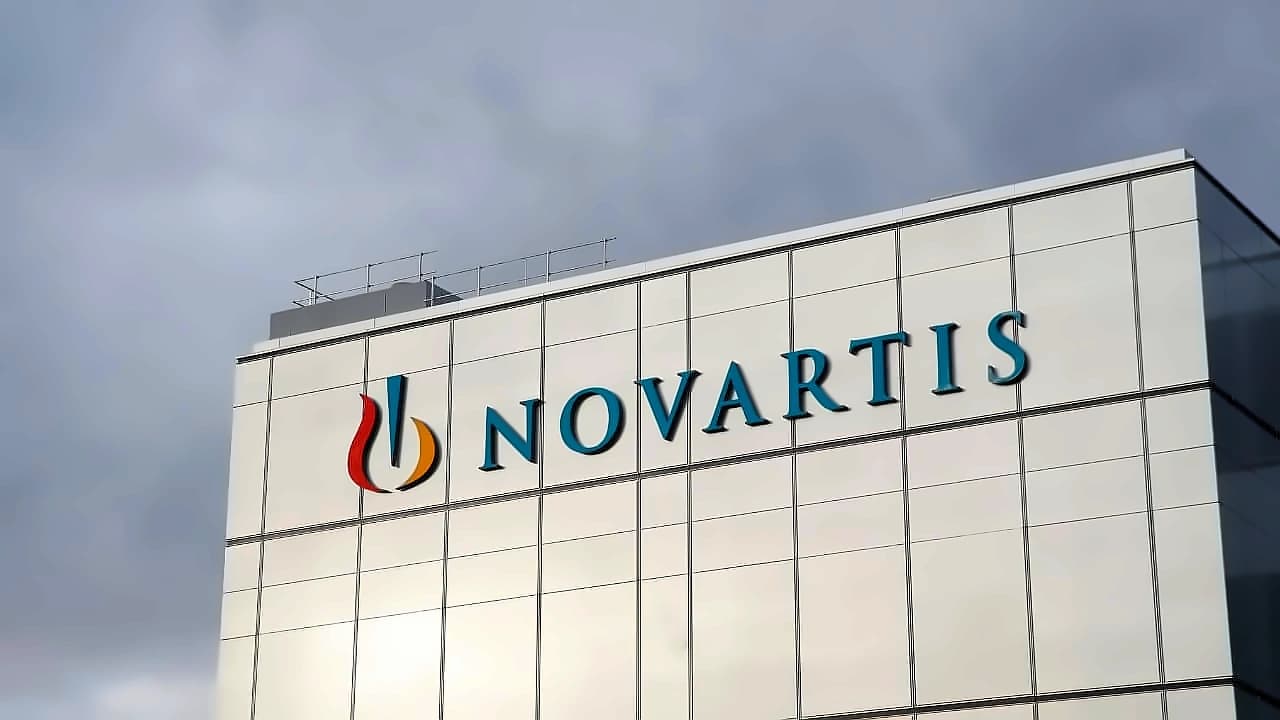
In a significant development, Novartis India has entered into an exclusive promotion and distribution agreement dated September 8, 2026 with Novartis Healthcare (NHPL). Under this agreement, the company has been granted exclusive rights to promote and distribute NHPL's retina portfolio comprising Accentrix (ranibizumab) and Pagenax (brolucizumab) for the Indian territory. The upfront consideration payable by the company to NHPL is ₹10 crore, as reported by Business Standard. This agreement is expected to support the company's entry into the ophthalmology therapy area and expand its commercial portfolio.
Vikas Gupta, Managing Director and Chief Executive Officer of Novartis India, stated that the company is focusing on deepening its reach into non-metro markets where specialist franchises remain under-penetrated relative to their potential. According to the annual report, this expansion is viewed as a direct lever for volume growth. For the FY 2026-27 transition, the company is bringing established franchises, including Voveran, Methergin, Macalvit, and Calcium Sandoz, fully under NIL's commercial control to enhance its ability to shape commercialisation, pricing, lifecycle decisions, and market development.
As reported by Business Standard and Moneycontrol, the company's growth plans are supported by the rising incidence of chronic and lifestyle-linked diseases, such as arthritis, diabetes, cardiovascular disease, and neurological disorders. These conditions, driven by changing lifestyles and an ageing population, are creating sustained demand for long-term therapies. The company highlighted that greater insurance penetration and supportive government initiatives are improving affordability and driving therapy uptake across both urban and rural India.