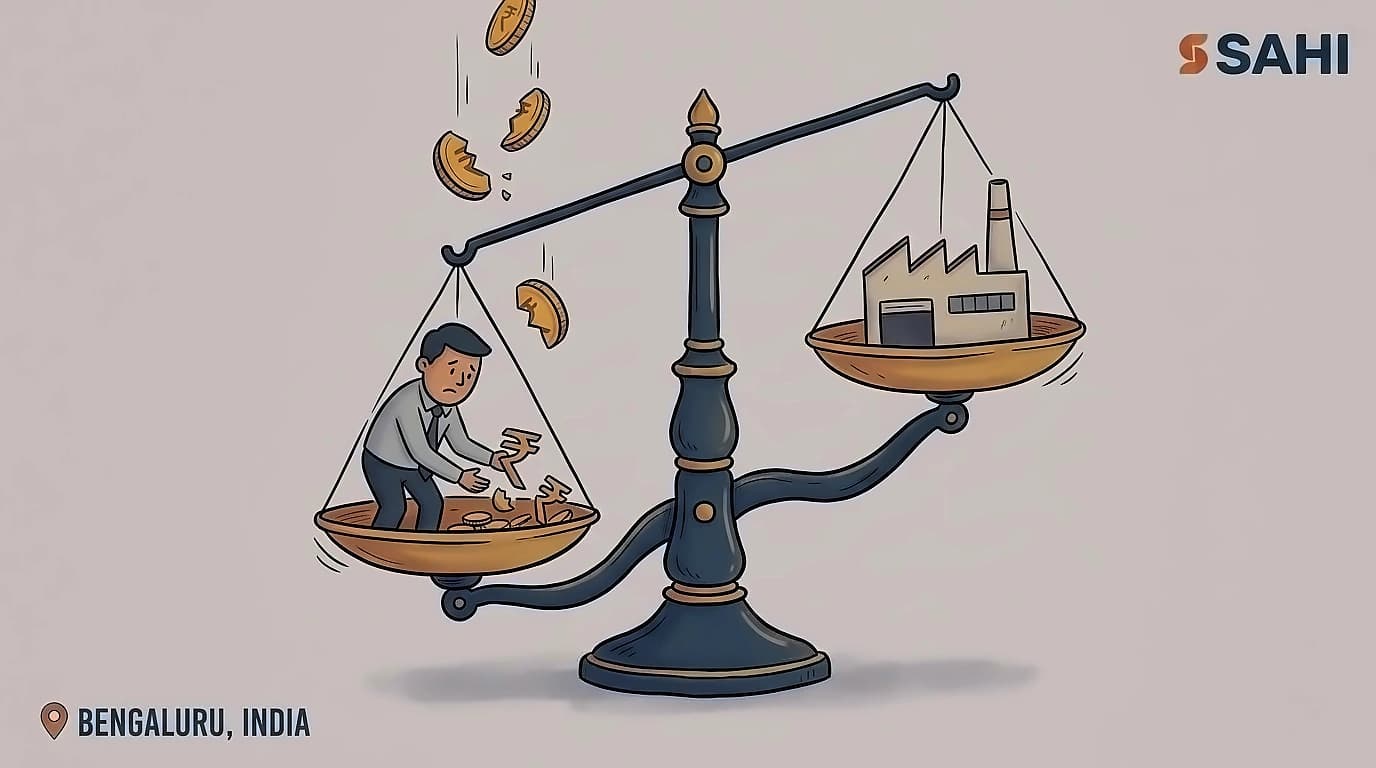
NILE's consolidated net profit declined 45% to ₹8.2 crore in the quarter ended June 2026, compared to ₹14.9 crore in the corresponding quarter of the previous year. According to latest reports, this significant profit decline occurred despite the company achieving revenue growth of 16.67%, with sales rising to ₹280 crore from ₹240 crore in the June 2025 quarter. The bottom-line drop highlights margin pressure amid top-line resilience, demonstrating the company's ability to maintain revenue momentum while facing operational challenges that affected profitability metrics.
The company's operating profit margin (OPM) improved to 3.77% in Q1 FY27 from 9.06% in the same quarter last year. As reported by Business Standard, PBDT (Profit Before Depreciation and Tax) declined 43% to ₹12.37 crore from ₹21.54 crore in the previous year. PBT (Profit Before Tax) also decreased 45% to ₹11.37 crore compared to ₹20.60 crore in June 2025. The margin compression suggests elevated conversion costs or higher raw lead procurement prices that impacted overall profitability despite revenue growth.
The mixed financial performance reflects challenging market conditions, with the company managing to grow its top line while facing margin pressures that impacted bottom-line profitability. According to Business Standard, this quarterly result demonstrates the company's ability to maintain revenue momentum despite operational challenges. NILE shares have declined 13.91% from their previous close of ₹1,958.20, with the stock currently trading at ₹1,686.00. The company's market capitalization stands at ₹587.83 crore, reflecting investor concerns over the profit decline despite strong revenue growth.
NILE Limited operates as a leading secondary lead recycler in India, with an annual capacity of 107,000 tons of lead and lead alloys split across Choutuppal and Tirupati. The company maintains multi-year agreements with major clients like Amara Raja Energy & Mobility, ensuring steady volume off-take. However, the current performance highlights a classic cost-pass-through delay, where margins were severely compressed during the quarter despite secure volume demand. Investors should evaluate whether subsequent price adjustments from clients can restore net profit margins in coming quarters, while long-term investors may find comfort in robust volume demand and stable credit rating that point to sound operational health.