Mars will introduce M&M's with natural dyes in August, marking the company's 85th anniversary by removing artificial food colorings from its flagship candy. According to reports from The Wall Street Journal, the transition will initially exclude blue and brown colors until 2028, as Mars executive Claire Hewitt stated "It's the hardest thing I've had to do in my career." The company cited cost challenges, with blue M&M's requiring spirulina-based pigments that need significantly more material to achieve the same color intensity. Mars considered replacing blue and brown with purple and pink or changing to a three-color mix, but ultimately decided against these options. The naturally dyed M&M's will be available via Amazon, with plans to offer all six traditional colors with natural coloring by 2028. Mars is also expanding its natural color initiatives to include naturally-colored Skittles, Extra Gum, and Starburst fruit chews, demonstrating the company's comprehensive approach to removing synthetic dyes from its entire product portfolio.
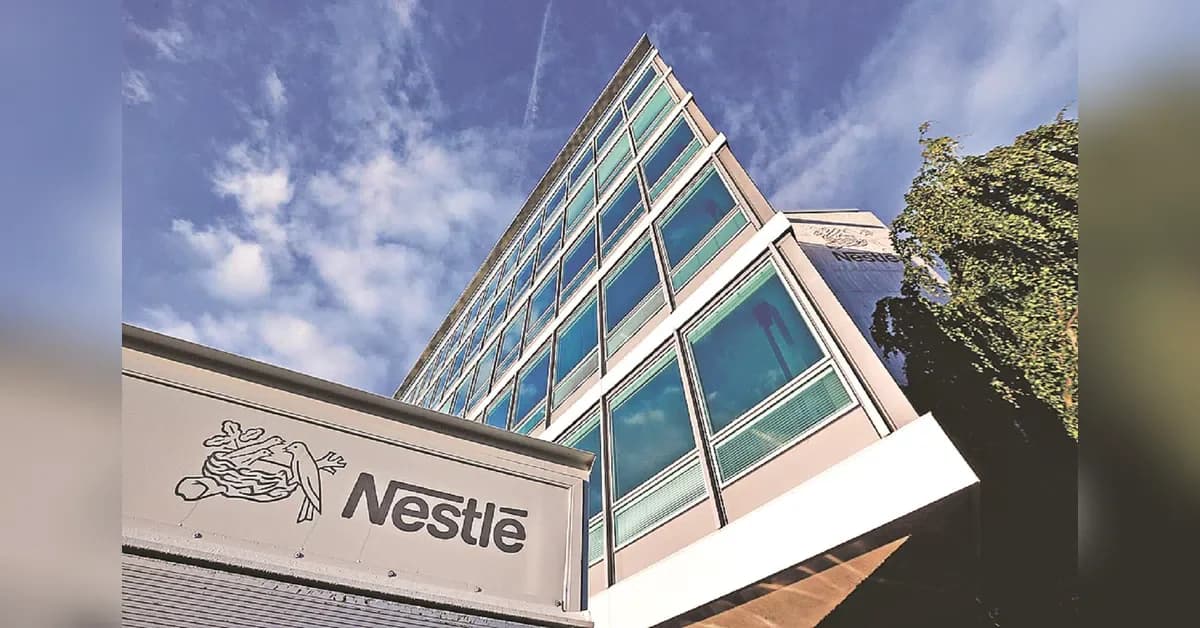
Nestle has announced plans to remove artificial food colourings from all its products worldwide by the end of 2026, making it the first major food company to take such a comprehensive step. According to reports from Reuters, Stefan Palzer, Nestle's chief technology officer, confirmed the target during an exclusive interview at the company's headquarters in Vevey, Switzerland. "By the end of the year we will have the global Nestle portfolio free of artificial colours," Palzer told Reuters, emphasizing the company's commitment to this ambitious timeline. The move extends Nestle's existing efforts in the United States, where the company has already eliminated artificial food colourings from its portfolio. As the world's largest packaged-food company, Nestlé is setting a rare global reformulation deadline: swap synthetic dyes for natural alternatives across its entire portfolio. The FDA has confirmed that Nestle and Tyson Foods have already completed their goals, as has part of the PepsiCo portfolio, demonstrating the accelerating pace of industry reformulation efforts.
The natural dye transition represents a broader industry movement, with multiple major food companies announcing similar initiatives. General Mills plans to remove all artificial colors from its products by 2027, with synthetic dyes also being removed from all cereals and foods served in schools by summer 2025. Kraft Heinz has announced that artificial dyes would be removed from its products, joining the growing list of companies making clean-label commitments. PepsiCo has unveiled "naked" versions of some of its most popular chips and has agreed to remove artificial dyes from its entire portfolio. McKee Foods, the maker of Little Debbie and Sunbelt Bakery snacks, has agreed to remove artificial dyes by the end of 2027. Earlier this month, Nestlé USA announced that it completely banned all artificial dyes from its food and drink products, demonstrating the accelerating pace of industry reformulation efforts. This movement comes as food companies face mounting pressure to offer healthier products amid the rapid rise of GLP-1 weight-loss drugs and growing consumer scrutiny of food ingredients.
According to Mars executive Claire Hewitt's comments to The Wall Street Journal, the transition presents significant technical challenges beyond the cost considerations. "We did it because consumers don't appreciate artificial ingredients. They want simpler recipes," Palzer explained, noting that Nestle had spent years investing in the transition. The company invested heavily in research and development to find natural alternatives that would meet their quality standards and maintain product integrity. "The hard part is execution, not intent," Palzer noted, explaining that finding natural options that survive real factories and still look right weeks later required extensive testing. "We had to do a lot of R&D work because you have to screen all the natural solutions then you have to test those natural solutions during production, and then also test their shelf-life," Palzer added. In place of synthetic dyes, foodmakers can use natural hues made from beets, algae and crushed insects and pigments from purple sweet potatoes, radishes and red cabbage. As reported by Sensient Colors, one of the world's largest producers of food dyes and flavorings, many U.S. food companies quickly agreed to reformulate their foods following the FDA's announcement last spring.
The initiative comes amid growing regulatory scrutiny of food additives, with Health and Human Services Secretary Robert F. Kennedy Jr recently urging U.S. food companies to eliminate artificial dyes. Last spring, then-FDA Commissioner Marty Makary announced the agency would move to eliminate several synthetic dyes — Green 3, Red 40, Yellow 5, Yellow 6, Blue 1, and Blue 2 — by the end of 2026. Red 3 was set to be banned in food by 2027 because it caused cancer in laboratory rats; the FDA called for that deadline to be moved up. Health advocates have long called for the removal of artificial dyes from foods, citing mixed studies indicating they can cause neurobehavioral problems, including hyperactivity and attention issues, in some children. However, the FDA maintains that "the totality of scientific evidence shows that most children have no adverse effects when consuming foods containing color additives." The global reformulation represents a significant operational challenge with immediate and long-term financial implications, though the longer-run payoff includes simpler compliance and less reputational risk if rules tighten or an ingredient becomes controversial.