Nestle India delivered robust second quarter results with consolidated net profit jumping 36.4% year-on-year to ₹1,027 crore for the quarter ended September 30, 2026, compared to ₹753 crore in the same period last year. Revenue from operations soared 20.3% to ₹6,788 crore, up from ₹5,644 crore in the corresponding quarter of the previous financial year, beating Bloomberg estimates of ₹6,758 crore. The results met analyst estimates, demonstrating strong operational performance across key markets. EBITDA increased 31% to ₹1,615 crore from ₹1,232 crore, with EBITDA margin expanding to 23.8% from 21.8%, indicating improved operational leverage and cost management capabilities, with the company's domestic sales increasing by 20.4% for the reporting quarter. Gross margins expanded 260 basis points Y-o-Y to 56.9%, largely on account of price hikes, while operating profit grew by 33.3% despite higher advertising spending.
Nestle India recorded broad-based growth across product groups, supported by robust double-digit volume growth as reported by CNBC-TV18. The company's EBITDA margin stood at 23.8% during the quarter, even as advertising and marketing expenditure surged 46% as Nestle stepped up investments in its brands. According to CNBC-TV18, the company's strong performance was driven by strong growth in its e-commerce business, led by continued momentum in quick commerce, supported by improved product availability and channel-specific product offerings. Organised retail also delivered strong growth across key categories, aided by improved in-store execution, consumer promotions and network expansion. The broader FMCG sector is also expected to see better topline growth during the September quarter, helped by a favourable base and selective price increases. The domestic and export segments saw growth of 20-22%, with gains on the back of double-digit volume growth aided by the confectionery and beverages segments. Nestle has expanded internationally with the launch of Maggi Masala-e-Magic in Canada, and Nescafe Sunrise has expanded to five West African markets.
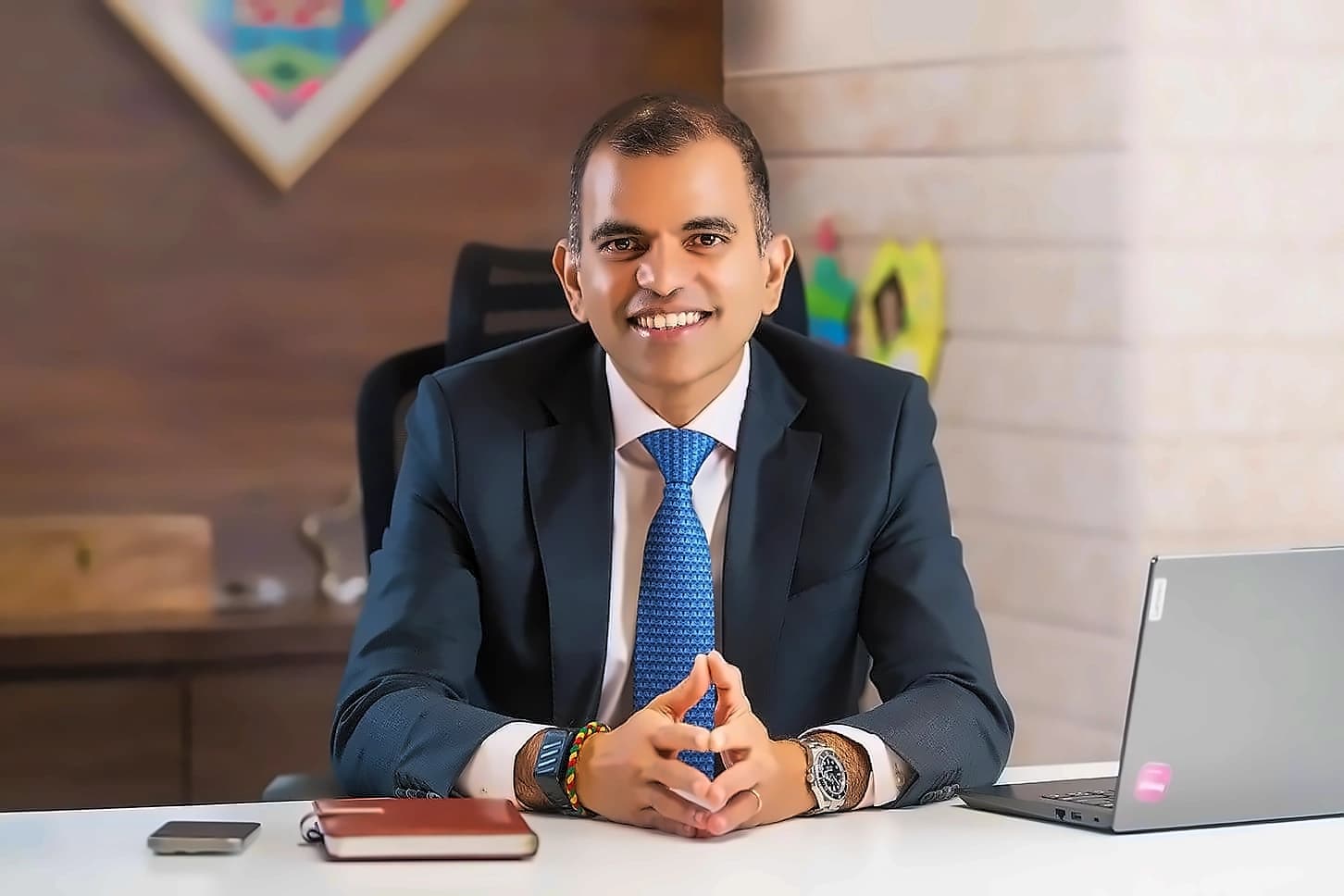
"Rising inflation, particularly food inflation, is a reality," said Nestle India Chairman and Managing Director Manish Tiwary, adding that the company would focus on innovation, productivity improvements and operational efficiencies to mitigate commodity cost pressures. In its commodity outlook, Nestle India said coffee and wheat prices were expected to remain range-bound, while sugar and edible oil prices had stabilised at elevated levels. Cocoa prices remained volatile due to weather-related concerns in major producing regions, while milk prices have strengthened seasonally but are expected to ease with the arrival of flush supplies. The management flagged inflation and rising commodity prices as challenges, with particular concerns about packaging, edible oils and agricultural commodities. Despite tax cuts and selective price increases supporting sales growth, the company faces mounting input cost pressures. Total expenses rose by 17% YoY to ₹5,405.55 crore from ₹4,620.63 crore, mainly due to increased cost of raw materials consumed and other expenses.
Major brokerages cut their target prices and earnings estimates for Nestle India following the Q2 results, despite the impressive financial performance. Macquarie maintained 'Neutral' but cut its target price to ₹1,570 from ₹1,575, citing the risk of sales momentum moderation as the base effect sets in and warning that rising inflation poses a growing risk to rural demand. Goldman Sachs also maintained 'Neutral' but reduced its target price to ₹1,475 from ₹1,575, expecting growth moderation as the base effect sets in and cutting FY27, FY28 and FY29 earnings estimates by 2% to factor in expected growth moderation. Morgan Stanley retained 'Equal-weight' with a target price of ₹1,538, describing the quarter as an earnings beat with strong top-line growth momentum sustained, though it flagged rising food inflation as a key challenge. JM Financial reiterates 'Add' rating with a revised target price of ₹1,450 from ₹1,610, noting that while the company reported strong domestic revenue growth of over 20% with a two-year annual growth rate of 15.5%, it is cutting target multiples to 58 times from 65 times earlier given the broader sector de-rating. Motilal Oswal reiterates 'Neutral' rating with a target price of ₹1,350, based on 50 times P/E Sept'28E, highlighting that Nestle has delivered superior growth over the last four quarters following GST 2.0, but expects growth momentum to moderate on account of a high base, rising food inflation, and limited room for EBITDA margin expansion, which is already at ~24%.
Nestle India shares extended losses to the second straight session on Friday, declining 1.5% to ₹1,257.10 after opening positively at ₹1,289.70, following Thursday's 7.7% decline to ₹1,275.80. Despite the sharp two-day decline, the stock remained down just 1.5% so far in 2026, significantly outperforming the Nifty 50, which has fallen around 12% during the same period. The company's market capitalisation stood at ₹2.46 lakh crore. HSBC maintained its 'Hold' rating on the stock with a target price of ₹1,480, implying an upside of around 16% from Thursday's closing price, but cautioned that revenue growth could moderate in the second half of FY27. JM Financial said that Nestle India's Q2FY27 earnings print was largely in line as the superior execution continued, but cut its target price to ₹1,450 from ₹1,610 with an 'Add' rating, noting that sales growth is expected to be optically lower in H2FY27 versus H1FY27 which is more due to the base effect and not led by any deterioration in the company's fundamental strengths. Elara Capital reiterated 'Accumulate' rating on Nestle India post Q2 results and lowered the target price to ₹1,506 from ₹1,625, based on 58x September FY28E P/E. According to SBI Securities, while the results were in-line with expectations, rising food inflation which can affect demand and put pressure on margins in the near-term is causing market caution, with analysts believing that while commodity outlook remains volatile, Nestle India's portfolio and pricing power makes it best placed to navigate the challenge.