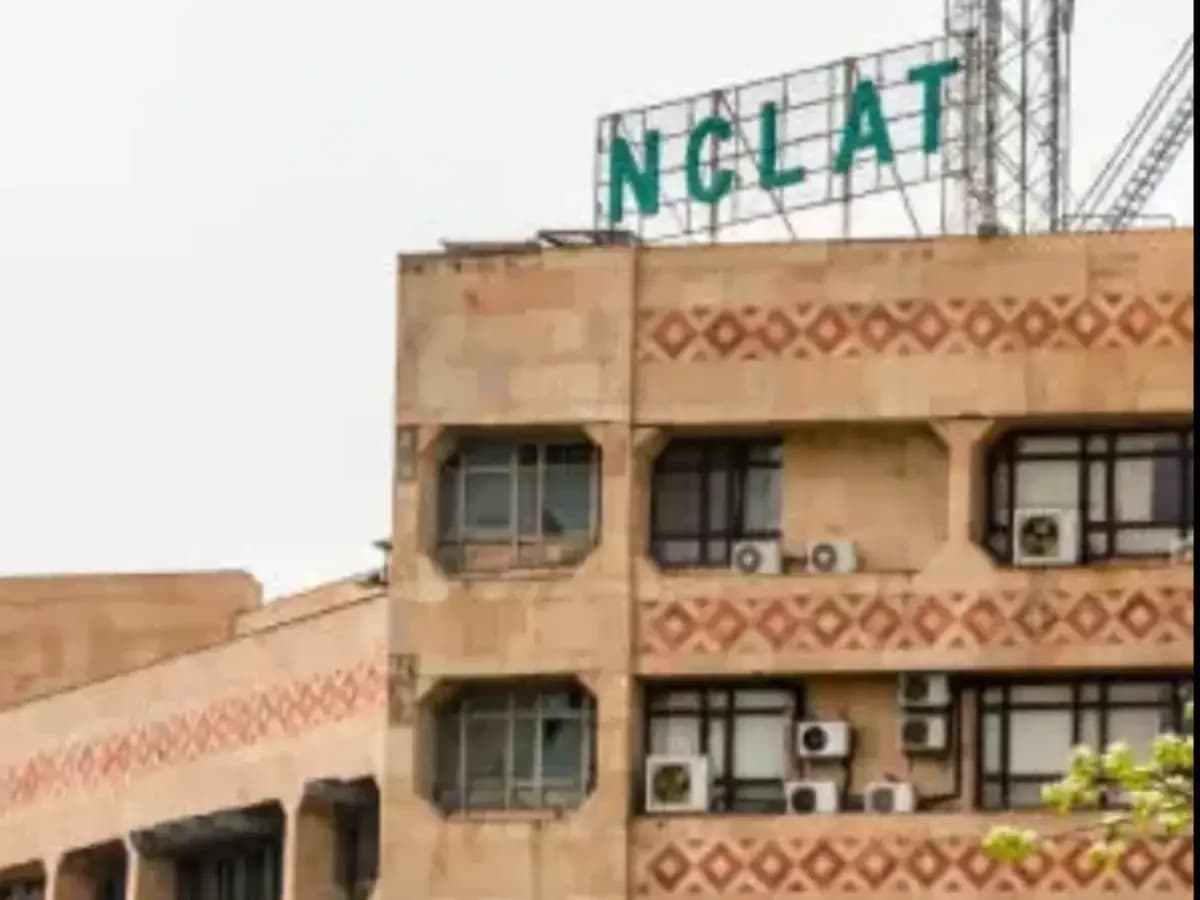
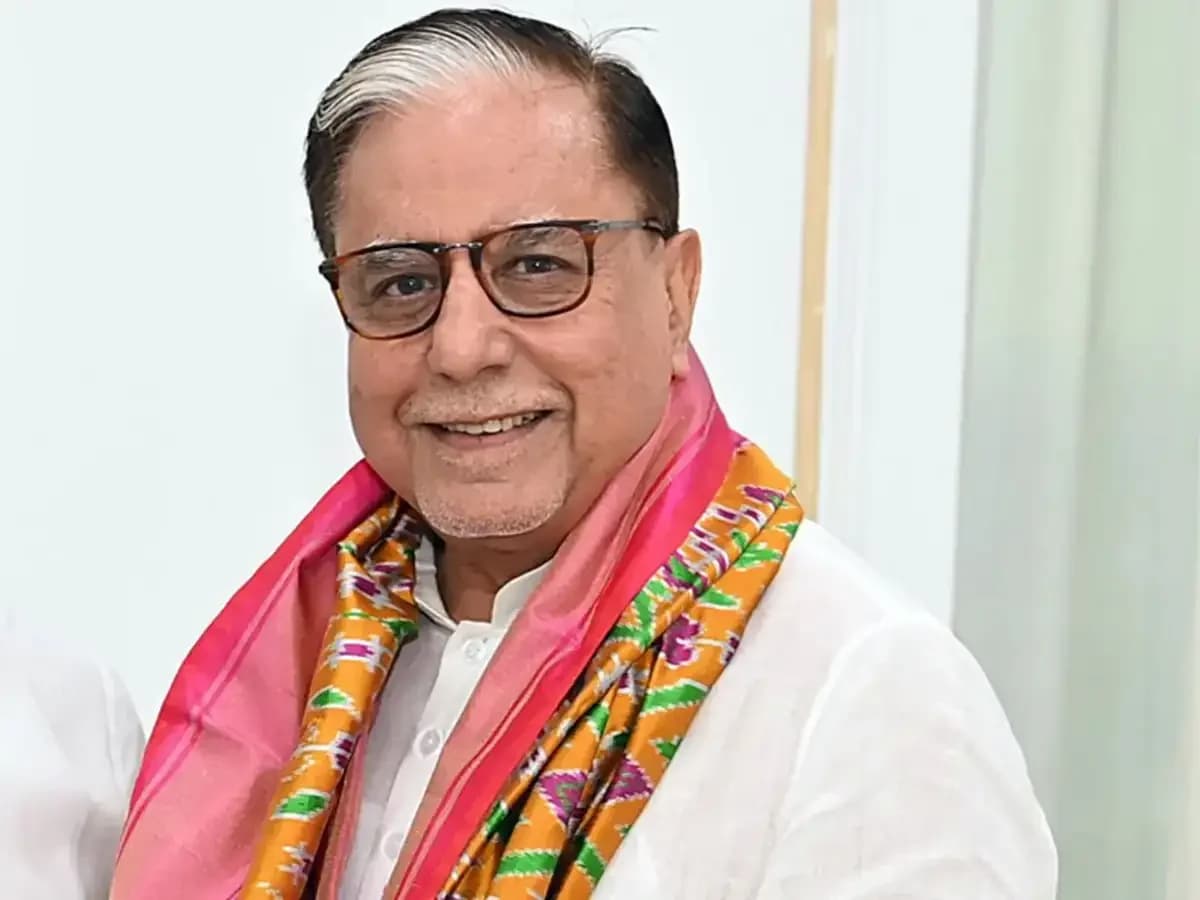
The National Company Law Appellate Tribunal (NCLAT) on Tuesday issued notices to creditors on Essel Group Chairman Subhash Chandra's appeal challenging an NCLT order restricting him from alienating assets during insolvency proceedings. According to Business Standard, the appeal was heard by a bench comprising Officiating Chairperson Justice (Retd.) Yogesh Khanna and Technical Members Barun Mitra and Ajai Das Mehrotra. The case involves admitted creditor claims of ₹22,006.57 crore against a proposed repayment of ₹6.25 crore. The NCLAT has directed creditors who opposed the maintainability of Chandra's petition to file their replies within a week, while granting Chandra a week's time to file a rejoinder to the creditors' reply. The tribunal has now fixed October 29 and 30 for hearing Chandra's interim relief applications, with one day allocated for arguments on behalf of Chandra and another for submissions from creditors. During Tuesday's hearing, Solicitor General Tushar Mehta suggested waiting for the outcome of the next hearing of the five-member NCLT bench scheduled on November 19, which was opposed by advocate Dhruv Mehta representing Chandra.

The insolvency proceedings stem from an application filed by Indiabulls Housing Finance Limited under Section 95 of the Insolvency and Bankruptcy Code, 2016 against Chandra as a personal guarantor. As reported by Business Standard, Chandra's repayment plan proposed paying ₹6.25 crore to creditors against admitted claims of ₹22,006.57 crore, with an additional ₹25 lakh towards insolvency process costs. The NCLT had directed that Chandra, as the personal guarantor, 'shall not alienate any assets whatsoever either directly or indirectly'. In his petition to the NCLAT, Subhash Chandra argued that the NCLT's September 1, 2026 order exceeded its statutory authority and questioned the formation of the five-member bench by NCLT. The matter had earlier seen a split verdict in NCLT, with Member (Judicial) Ashok Kumar Bhardwaj approving the repayment plan while Member (Technical) Reeta Kohli rejected it, leading to a reference under Section 419(5) of the Companies Act, 2013.
The case has seen multiple proceedings before the NCLT over Chandra's repayment plan. According to Business Standard, an NCLT Bench comprising Judicial Member Ashok Kumar Bhardwaj and Technical Member Reena Sinha Puri delivered dissenting judgments on September 3, 2025. Following the difference of opinion, the matter was referred to Nilesh Sharma, Member (Judicial), NCLT Mumbai Bench, who passed his order on August 25, 2026, approving Chandra's repayment plan with certain exclusions. However, the operation of Sharma's order was later stayed by a five-member NCLT bench, which restrained Chandra from alienating his assets pending further proceedings. In its last hearing on September 23, the five-member NCLT bench issued notice to the probe agency CBI and said the interim director restraining Essel Group Chairman from alienating property will continue till a final decision. During the proceedings, Solicitor General Tushar Mehta suggested waiting for the outcome of the next hearing of the five-member NCLT bench scheduled on November 19, which was opposed by advocate Dhruv Mehta representing Chandra.
When the matter returned to the original NCLT Bench on August 31 for passing the consequential order, the bench held that no majority view had emerged. As reported by Business Standard, the matter was subsequently referred to the NCLT President under Section 419(5) of the Companies Act, 2013, which constituted a five-member Special Bench to consider the issue. The Special Bench noted that Judicial Member Ashok Kumar Bhardwaj had approved the repayment plan, while Technical Member Reena Sinha Puri had rejected it, citing irregularities in the process. Meanwhile, the CBI has registered an FIR against Subhash Chandra for allegedly inflating his net worth to avail loans from the Life Insurance Corporation Housing Finance Limited (LICHFL) and then becoming a defaulter, causing a loss of more than ₹1,322 crore to the public-sector lender. LICHFL alleged in its complaint that Chandra submitted net-worth certificates that were used to secure the approval and disbursal of two loans totalling ₹980 crore. At the NCLAT, Chandra has also questioned the statutory authority of the NCLT to pass its September 1 order and challenged the constitution of the five-member Bench that stayed the third member's decision.
According to Business Standard, the NCLAT has fixed October 29 and 30 for hearing Chandra's interim relief applications, with one day allocated for arguments on behalf of Chandra and another for submissions from creditors. The tribunal indicated that Solicitor General Tushar Mehta, appearing for some creditors, suggested waiting for the outcome of the next hearing of the five-member NCLT bench scheduled on November 19. However, this was opposed by advocate Dhruv Mehta, who was representing Subhash Chandra. The case is listed as Dr. Subhash Chandra Personal Guarantor vs Shiv Nandan Sharma Resolution Professional, with case numbers Company Appeal (AT) (Ins) 1818/2026 and 1856/2026. Meanwhile, at the request of Solicitor General Tushar Mehta, the appellate tribunal clubbed a separate petition filed by creditors challenging the NCLT order that approved a settlement involving a payment of about ₹6.5 crore against admitted claims of around ₹22,006.57 crore with Chandra's appeal.