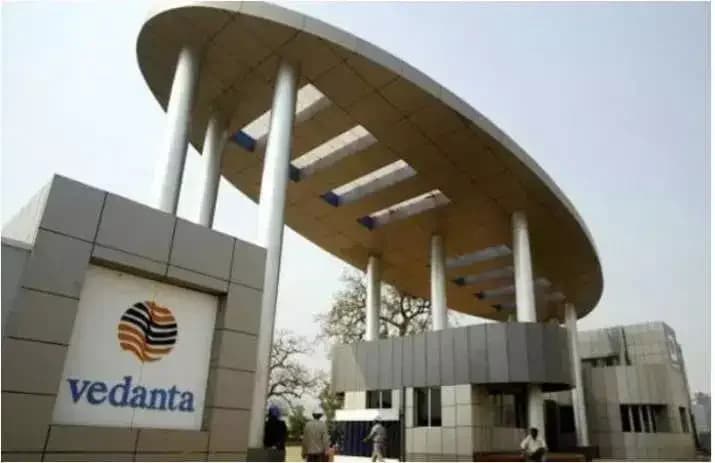
The National Company Law Appellate Tribunal (NCLAT) has upheld Adani Group's ₹14,535-crore resolution plan for bankrupt real estate firm Jaiprakash Associates Ltd (JAL), rejecting a challenge by Vedanta Ltd. According to reports from The Hindu BusinessLine and The Economic Times, a bench comprising chairperson Justice (retired) Ashok Bhushan and technical member Barun Mitra held that the Committee of Creditors were right in preferring Adani Group's bid over Vedanta's resolution plan. The NCLAT did not find merit in the issues raised by Vedanta and dismissed its two petitions, stating 'No grounds have been made out by the appellant (Vedanta) to interfere with the decision of the adjudicating authority (NCLT).' The tribunal also upheld the decision of the Committee of Creditors, stating the decision was taken in the exercise of 'commercial wisdom' after an overall evaluation of resolution plans.
As reported by The Hindu BusinessLine and The Economic Times, JAL was admitted for insolvency proceedings in June 2024 after it failed to pay bank dues exceeding ₹57,185 crore. The company's diversified assets span real estate, cement, hospitality, power and infrastructure sectors. JAL operates cement plants in Madhya Pradesh and Uttar Pradesh and holds investments in several subsidiaries including Jaypee Power Ventures and Yamuna Expressway Tolling. The NCLAT noted that the decision of the Committee of Creditors was based on 'overall consideration of the respective resolution plan and was taken in its commercial wisdom,' with the appellate tribunal stating 'There is no merit in the appeal. Both appeals are dismissed. There shall be no orders to pass.'
According to The Hindu BusinessLine and The Economic Times, the ₹14,535-crore winning bid by Adani Group represents a significant financial commitment for the acquisition of JAL. Vedanta had claimed its offer was higher by about ₹3,400 crore in gross value and around ₹500 crore in net present value terms, but the NCLAT found this claim was not sufficient to overturn the Committee of Creditors' decision. Adani Enterprises had outbid Vedanta and Dalmia Bharat in the resolution process, securing 89% approval from creditors. The Committee of Creditors maintained that the resolution process was conducted in compliance with the Insolvency and Bankruptcy Code (IBC), stating that selection was not based solely on the highest bid, but on multiple factors including upfront payment, feasibility, and execution capability. The committee also stressed that no bidder has an automatic right to win the process, even if it offers a higher headline value.
As reported by The Hindu BusinessLine and The Economic Times, Vedanta sent an addendum on November 8, 2025, after it had already submitted its final resolution plan on October 14, 2025. The NCLAT ruled that this addendum was not just a clarification but changed or modified the plan, justifying the Committee of Creditors' decision not to consider it at the 24th CoC meeting on November 14, 2025. The tribunal further held that there was no material irregularity by the Resolution Professional in how the process was conducted. Earlier, on March 24, 2026, the NCLAT had refused to grant an interim stay on the NCLT order, while noting that the resolution would remain subject to the outcome of the appeals. The Supreme Court also declined to stay the process but directed that major policy decisions by the monitoring committee would require tribunal approval.
As reported by The Hindu BusinessLine and The Economic Times, the NCLAT's approval of Adani Group's winning bid for JAL represents a significant development in India's insolvency resolution process. The case highlights the importance of Committee of Creditors' decisions in bankruptcy proceedings and the court's deference to commercial wisdom in such matters. The resolution of this high-profile insolvency case involving a major real estate asset with diversified assets like India's Formula One circuit and cement operations is expected to set important precedents for future insolvency proceedings. The tribunal's comprehensive analysis of the legal and procedural aspects of the case demonstrates the rigorous approach taken in evaluating resolution plans and creditor decisions in corporate insolvency matters.