The Airports Economic Regulatory Authority (AERA) has approved a 6% increase in domestic user development fees (UDFs) for Navi Mumbai International Airport (NMIAL) from April 2027. According to reports from Mint, the Adani-operated airport had originally proposed a 20% hike from 1 April 2027, but the regulator approved a more moderate increase. The airport will implement the new fee structure from 1 April 2027 to 31 March 2031, taking UDFs to ₹738 for departing passengers and ₹322 for arriving passengers.
As reported by Mint, Navi Mumbai airport currently charges ₹620 for departing domestic passengers and ₹270 for arriving passengers, making it the second-highest user development fee structure among major Indian airports. The airport's UDFs are already higher than Noida International Airport's ₹490 for departures and ₹210 for arrivals, and are only surpassed by GMR-run Hyderabad airport's ₹750 for domestic departures. Bengaluru airport's ₹550 UDF for domestic departures ranks third, followed by Kolkata (₹547) and Chennai (₹491).
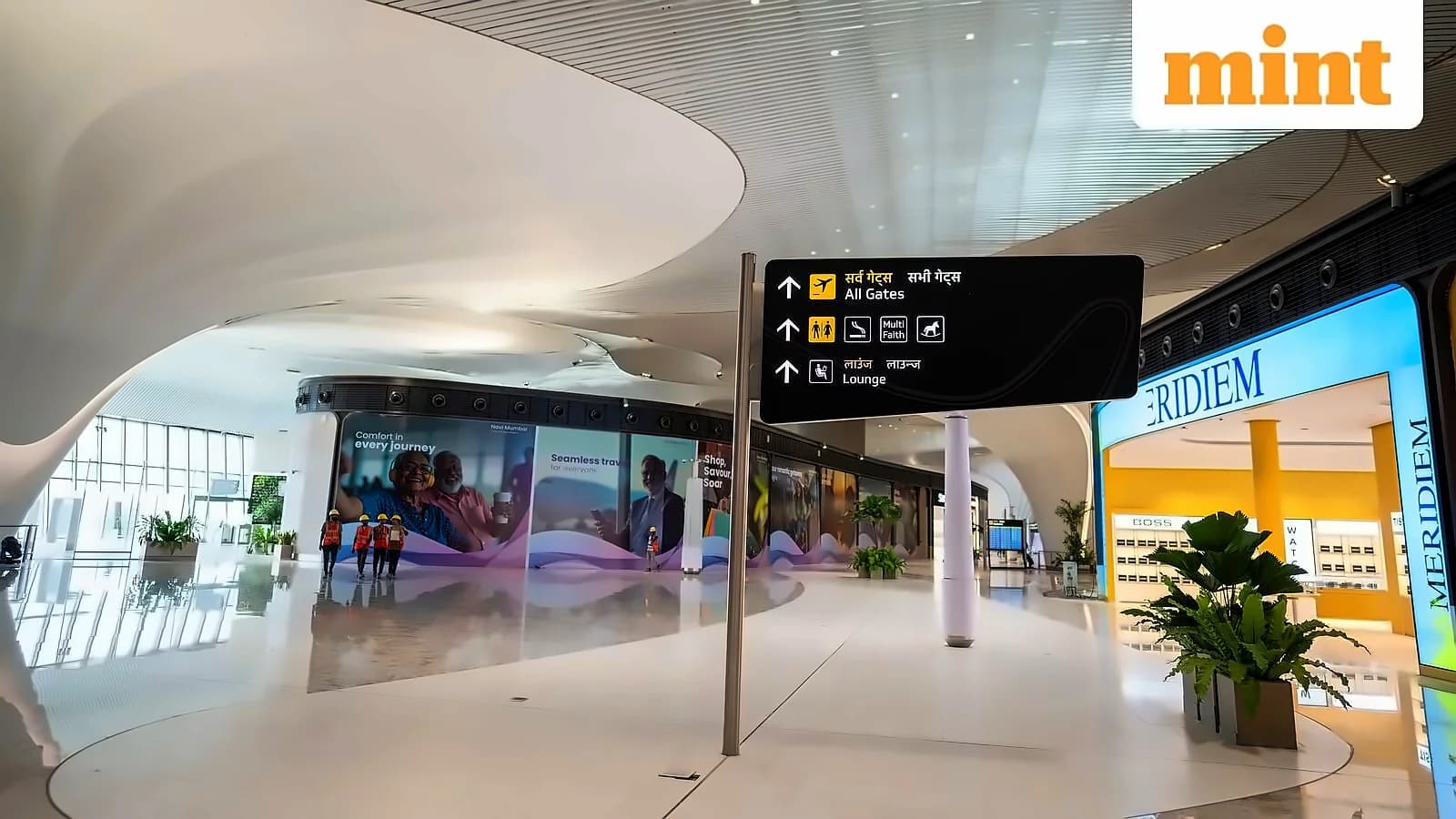
According to Mint, the Navi Mumbai International Airport was built at a cost of ₹19,650 crore and began operations on 25 December 2025. The airport operator stated that greenfield airports typically charge higher UDFs in initial years to support investment recovery and viable operations compared to mature brownfield airports. Aviation consultant Gurmukh Singh Bawa from Air Travellers Association noted that comparing UDFs across airports is unfair, suggesting the recovery period should be extended to 10 years from the current five years to reduce passenger burden.
The new fee structure positions Navi Mumbai airport competitively against other major Indian airports amid current market volatility. Delhi's GMR-run Indira Gandhi International Airport charges significantly lower UDFs at ₹129 for departures and ₹56 for arrivals, while Mumbai's Adani-run Chattrapati Shivaji Maharaj International Airport charges ₹175 for departures and ₹75 for arrivals. The airport's higher fees are justified by its greenfield status and the need to recover substantial capital costs in the initial operating years, even as broader market concerns about Iran war-driven global uncertainties impact investor sentiment.