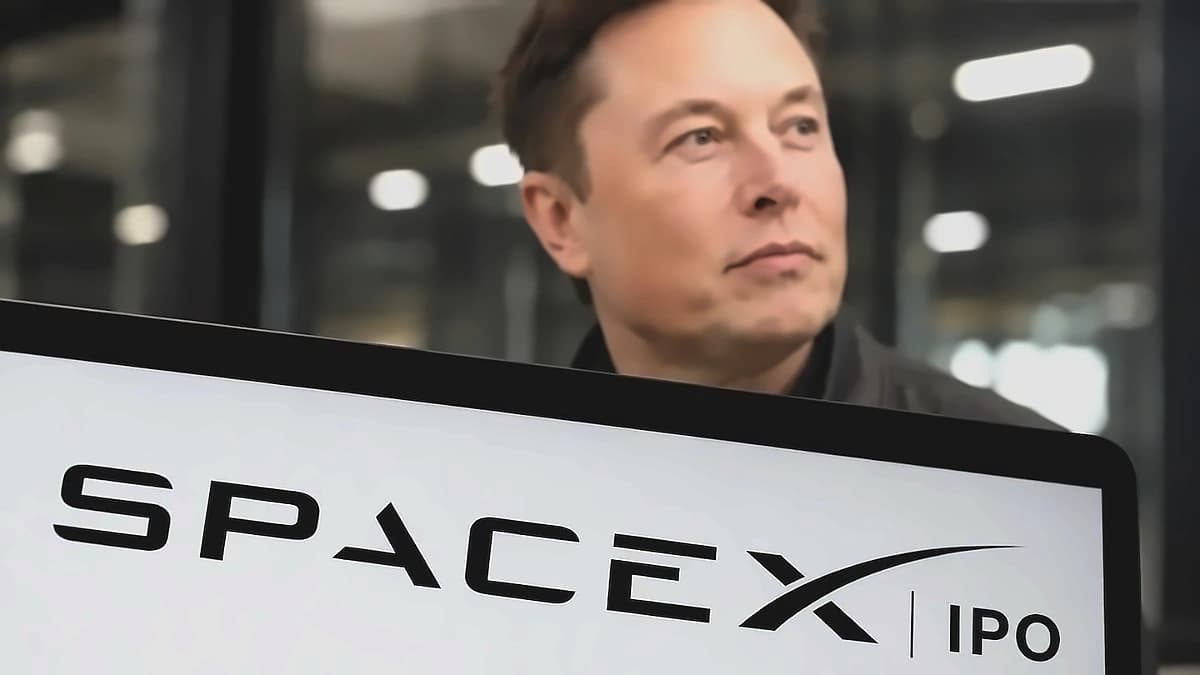
Elon Musk announced on Monday that he will distribute one SpaceX share to every child in America next year, potentially involving a giveaway worth approximately $10.5 billion based on current share prices. According to CNBC, the proposal would distribute shares to approximately 72 million children under 18 as of July 1, 2025, at SpaceX's closing price of $146.03 on Friday. Musk made the announcement on X, writing "Next year, I will give one of my SpaceX shares to every kid in America," though he has not disclosed specific details about how recipients would be identified, which class of shares would be distributed, or how the transfer to minors would be structured. The $10.5 billion estimate is indicative rather than confirmed, as the final cost could vary depending on the number of eligible children, share price at distribution time, and the structure of the giveaway. As reported by Livemint, Musk has not explained his distribution mechanism, with three possible routes including direct gifts, Trump Accounts, or distribution through charitable organizations.
SpaceX shares experienced a dramatic 31% decline in July 2026 despite the company's strong fundamentals, as reported by Morningstar. The volatility stems from more than 900 million additional SpaceX shares becoming eligible for sale by insiders on August 6, which represents 143% of the 639 million shares available for public trading shortly after the company's IPO. This expansion of the tradable float is creating unusual market dynamics where index funds are being forced to buy more SpaceX stock just as insiders are selling, according to Morningstar. The brokerage warns that "it may be hard to determine the stock's true value and trading equilibrium in the short term."
According to an August Securities and Exchange Commission filing, Musk owns approximately 4.8 billion SpaceX shares, with holdings rising to around 6.4 billion shares when including unvested awards and stock options. These holdings represent a beneficial stake of approximately 48.4% in the company, according to CNBC. If Musk were to fund the entire giveaway from his currently owned 4.8 billion shares, distributing 72 million shares would reduce his direct shareholding to approximately 4.728 billion shares, representing a reduction of around 1.5% of his currently owned shares. However, the proposed distribution would not necessarily reduce his ownership by 1.5 percentage points, as the percentage-point impact depends on SpaceX's total shares outstanding and the precise form of the distribution. As reported by Livemint, Musk has an estimated net worth of $904 billion, though the giveaway would represent a relatively small portion of his total holdings.
Morningstar estimates that the release of additional shares could increase SpaceX's float-adjusted market value by 2.43 times, lifting its Russell 1000 weight to about 0.2% and placing it among the index's top 100 holdings. Assuming July 31 prices, its weight could hit 0.7% following the December 11 rebalance. The dynamic is particularly unusual as SpaceX shares fell 31% in July while the expansion of tradable float is expected to outweigh the stock decline. Funds including the iShares Russell 1000 ETF (IWB), Vanguard Total Stock Market ETF (VTI) and Invesco MSCI USA ETF (PBUS) bought SpaceX shortly after its June high and held it through its July lows. The Nasdaq 100 added SpaceX on July 7, while the S&P 500 cannot add SpaceX before June 2027 due to its one-year seasoning requirement.
For a direct gift, the giver generally pays any gift tax; a share valued at about $146 is below the stated annual gift-tax limit of around $19,000 per recipient, making Musk unlikely to face a gift tax bill for each share. However, children would not normally pay income tax simply for receiving the shares, but selling them at a profit may create a tax bill, particularly if Musk originally bought the shares at a much lower price. Shares given to young children may need to be held in adult-managed accounts until recipients reach adulthood, with any investment income subject to special US tax rules for children known as the kiddie tax. As reported by Livemint, one option is to give shares through Trump Accounts, a savings scheme for children, though Musk has not disclosed whether he intends to use this route. The timing of any sale is uncertain due to reported SpaceX post-listing restrictions, including a 366-day lock-up for insiders that raises questions about when recipients could sell their shares.
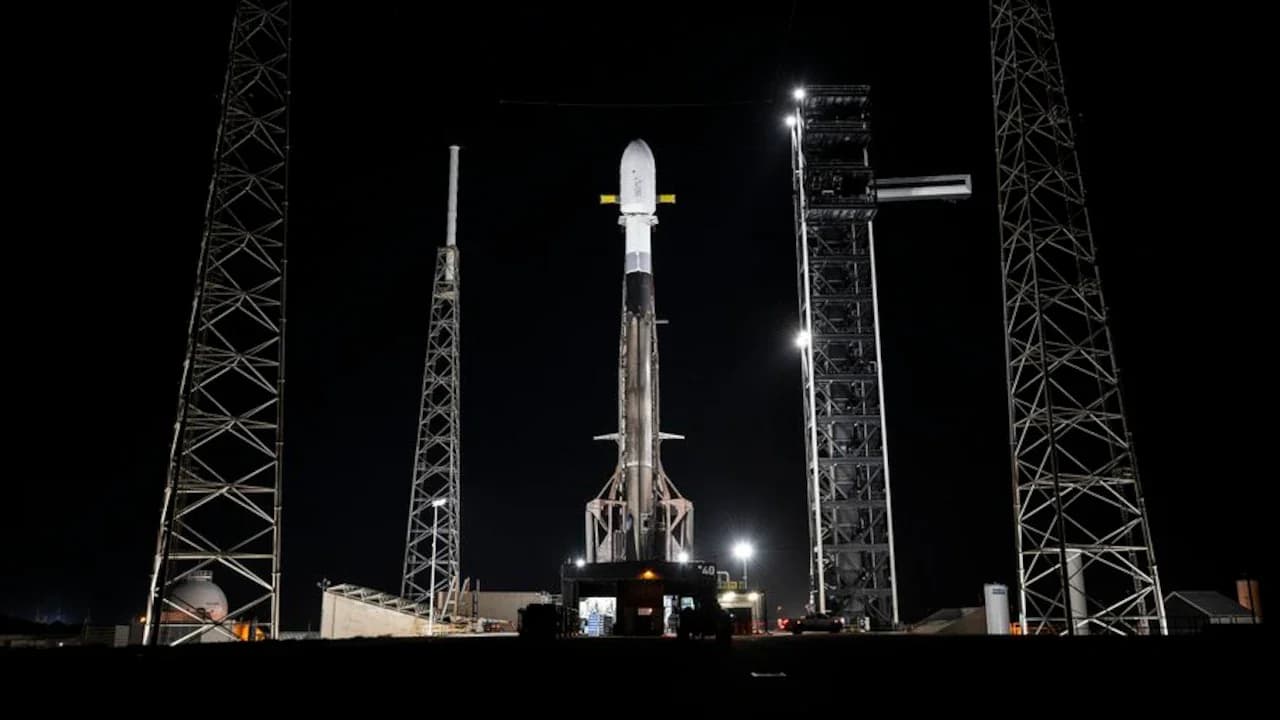
SpaceX has pushed forward one of its most ambitious financial targets, now expecting to hit $1 trillion in annual revenue by 2030, representing a full year earlier than previously projected. According to reports from X, this accelerated timeline reflects stronger-than-expected momentum across SpaceX's three core businesses: Starlink, AI infrastructure, and launch services. The company also projected an annualized revenue run rate (ARR) exceeding $100 billion by the end of 2026. Wolfe Research has identified Wolfe Research called SpaceX's upcoming Louisiana spaceport and recent White House launch-regulation relief "bullish indicators" for the company, noting that the project "paves the way to alleviate the most obvious external constraint" to Starship's rapid-reuse ambitions.