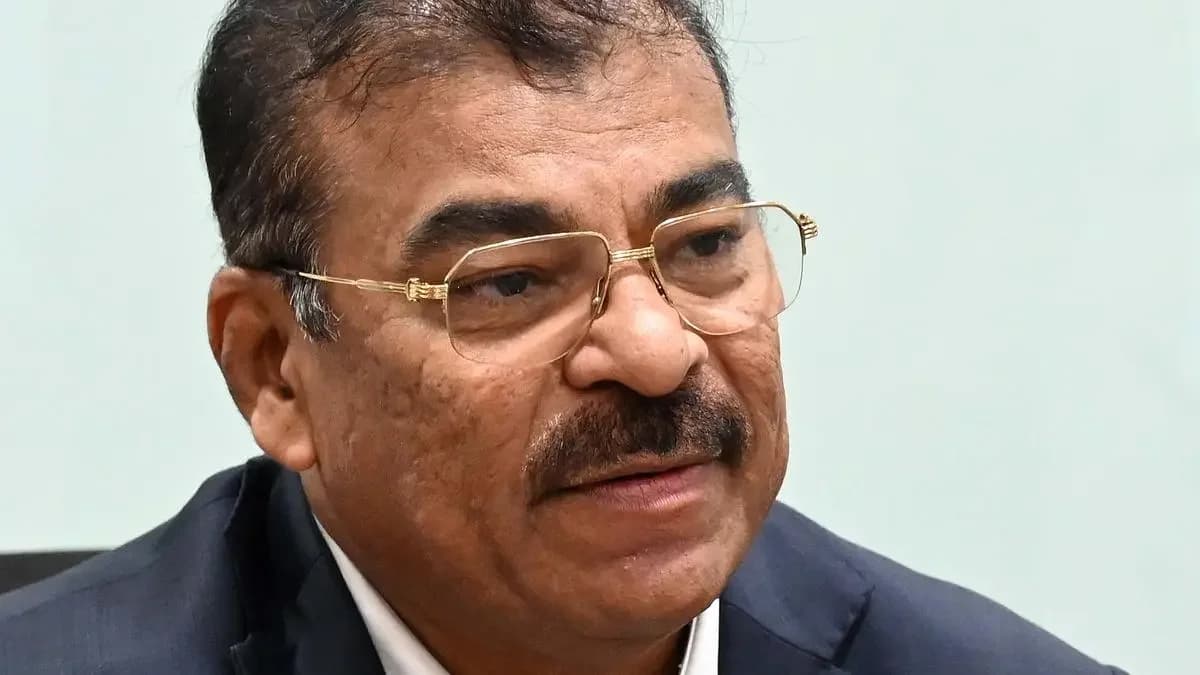
Maharashtra State Electricity Distribution Company (MSEDCL) has achieved significant financial turnaround following the demerger of its agriculture business. According to Managing Director Lokesh Chandra, the company moved from a loss of around ₹5,000 crore to a profit of ₹487 crore in FY25, then to a bigger profit of ₹1,234 crore in FY26. The company's debt-service coverage ratio improved to 1.0 in FY26 from 0.6 in FY25. On outstanding debt as of March 2025, the government took over around ₹33,000 crore, leaving the company with nearly ₹57,000 crore of sustainable debt. Chandra noted that the company has done long-term restructuring by converting short-term loans into long-term loans, making it comfortable to service this debt.

The demerger of agriculture business has significantly improved MSEDCL's financial parameters. Maharashtra has a substantial agricultural load from around 4.8 million agriculture consumers, accounting for almost 30 percent of electricity consumption. As reported by Chandra, this load has now moved to the agriculture business, ensuring no cross-subsidy burden on industrial and other consumers from agricultural consumers. The cost of supply for agriculture is higher while the tariff determined by the regulator is lower, creating a subsidy burden previously shared by industrial, commercial and residential consumers. The state has about 32.6 million consumers in total.
MSEDCL has prepared a resource adequacy plan projecting 6.2-6.5 percent annual growth in power demand over the next 10 years, considering growth expected from data centres, electric vehicles, green hydrogen and similar initiatives. According to Chandra, the company has signed power-purchase agreements of 48 gigawatt over the past three years, with these projects expected to be commissioned by 2030. This year in May, Maharashtra recorded its highest-ever peak demand of 32,317 MW. The share of renewable energy in power demand is expected to increase from around 15 percent at present to over 50 percent by 2030.
The discom has installed over 6,700 MW of rooftop solar capacity and expects this to increase to 10,000-12,000 MW by 2030. Around 750,000 consumers are benefiting from the scheme, receiving lower electricity bills while the company pays ₹2.89 per unit for excess energy generated and fed into the grid. MSEDCL has installed more than 13 million smart meters out of 24.1 million consumers, with the remaining meters expected to be installed by 2030. The company has set a target of 100 GWh of storage and 100 GW of installed renewable energy capacity by 2035.
Aggregate technical and commercial losses have declined to 13.91 percent in FY26 from 18.09 percent in FY25. According to Chandra, around 55 percent of the discom's revenue comes from industrial consumers where recovery is almost 100 percent. The main concern remains residential consumers with some arrears, which is improving with smart meter deployment and auto-disconnection facilities. The company also had dues of ₹96,000 crore as in March 2025, primarily from the agricultural sector, but a portion has been addressed through debt taken over by the government. The residual company is expected to have much better recovery parameters from a financial perspective.