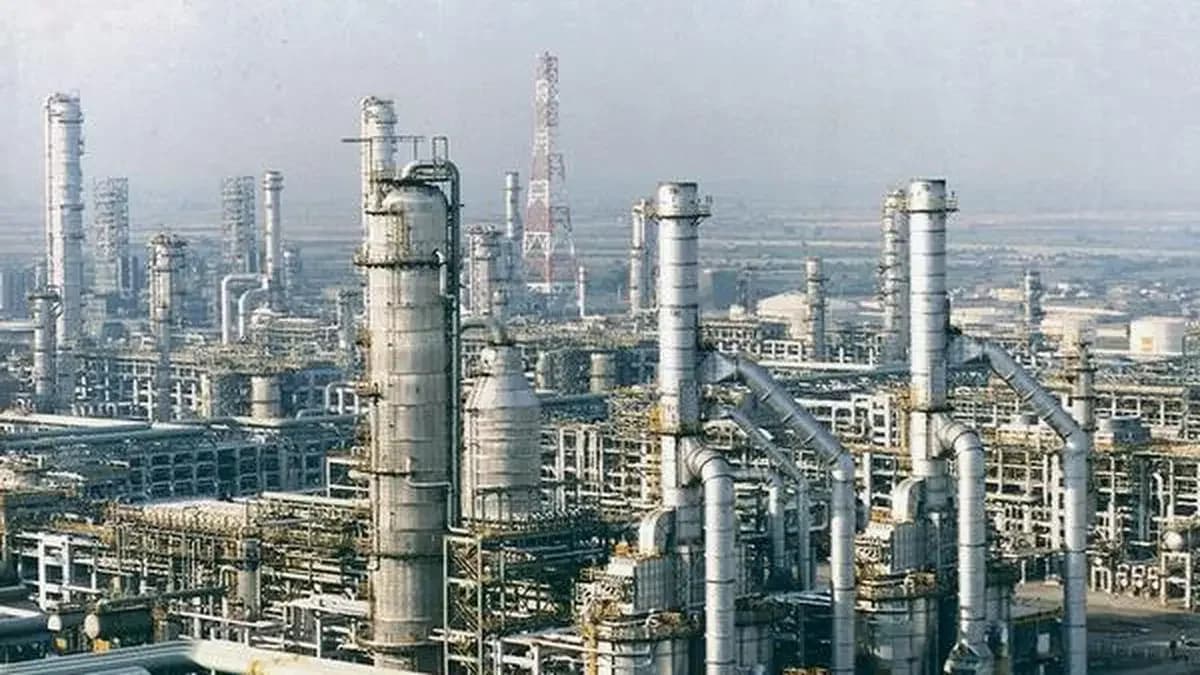
Ceramic manufacturers in Morbi are implementing a significant strategic shift as fuel costs surge dramatically. According to CNBC TV18, Gujarat Gas prices have risen 14% between July and August, from ₹79 to ₹90 per standard cubic metre, including value-added tax. Fuel costs have increased 60-70% over the past four months, creating substantial pressure on the industry. In response, propane's share of Morbi's gas sourcing mix is expected to rise to around 80% in September, from 60% in July, while Gujarat Gas' share is likely to fall to about 20% from 40%. As reported by CNBC TV18, more than 700 ceramic tile and sanitaryware factories in Morbi are affected by the price increase, with the September sourcing shift implemented from the beginning of the month.
Industry expectations for growth have been significantly revised downward due to multiple headwinds. According to CNBC TV18, Shailesh Vasnani, Vice President of the Morbi Ceramic Association, expects 2026-27 (FY27) growth to slow to 3-5% amid fuel costs, weak demand and higher freight rates. This represents a substantial decline from the industry's usual 8-12% growth rate. Vasnani attributed the challenging outlook to supply pressure through the Strait of Hormuz and the broader West Asia conflict. The industry has already passed higher costs on to customers, but manufacturers are still absorbing part of the increase, resulting in a 3-5% reduction in margins. Despite these challenges, Vasnani does not expect an outright decline in sales.
Export performance has been particularly affected by multiple cost factors. As reported by CNBC TV18, domestic demand has fallen 10-12%, while export demand has declined more sharply. Exports account for around 30% of Morbi's ₹65,000 crore industry, while the remaining 70% is sold domestically. Vasnani attributed part of the export slowdown to higher container freight costs, which have more than doubled to $3,500 per container from $1,500-1,700 on routes to Europe, Russia, Latin America and the Middle East. The industry has already passed higher costs on to customers, but manufacturers are still absorbing part of the increase, with customers waiting for prices to return to normal levels.
Raw material availability has improved while capacity utilization remains high. According to CNBC TV18, supply caps introduced in April and May have been lifted, addressing previous supply constraints. However, Vasnani warned that continued disruption from the West Asia conflict and the Strait of Hormuz could put further pressure on the industry, particularly because of its dependence on fuel imports. He added that installed capacity is running at full utilisation wherever market demand allows. The industry's strategic shift toward propane reflects the urgent need to reduce fuel costs amid the challenging operating environment.