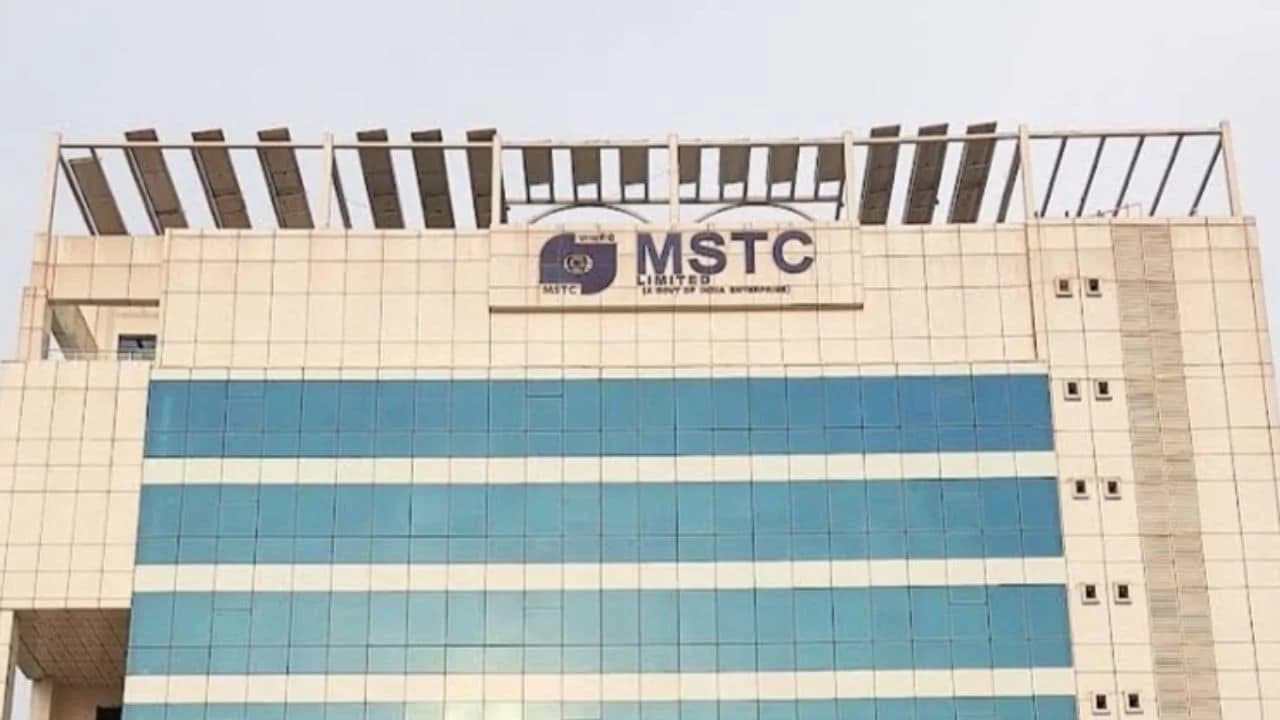
Precious metals refiner MMTC-PAMP has confirmed it will launch its silver recycling pilot program within three months at select stores, responding to unprecedented global demand and supply constraints. Managing Director and CEO Samit Guha confirmed the accelerated timeline comes as favorable economics and record price performance make silver recycling increasingly viable. The program initially targets Delhi operations and requires significant technology investments and equipment upgrades at recycling and assaying centers. MMTC-PAMP operates India's only LBMA-accredited refinery for both gold and silver good delivery standards, positioning it uniquely to capitalize on the recycling opportunity. As per recent reports, Guha emphasized that "if silver demand keeps going the way it is, we could have serious supply-side constraints," making recycled silver crucial to filling future supply gaps.
Silver prices have reached unprecedented levels, with MCX silver prices hitting ₹2,62,087 per kilogram in January 2025, representing a 192% annual gain. Global silver prices surged to $102.95 USD/t.oz on January 23, 2025, with an all-time high of $103.46 reached in January, reflecting a 236.76% increase year-on-year. This dramatic performance significantly outpaces gold's approximately 75% gain over the same period, with silver and platinum showing 130-140% global price increases. The white metal previously hit a record ₹3,34,300 per kg in the local bullion market on January 21. Guha noted that silver is delivering almost double the returns of gold over the past 12 months, attracting investors who missed the gold rally and positioning silver as "a new gold" from an investment perspective.
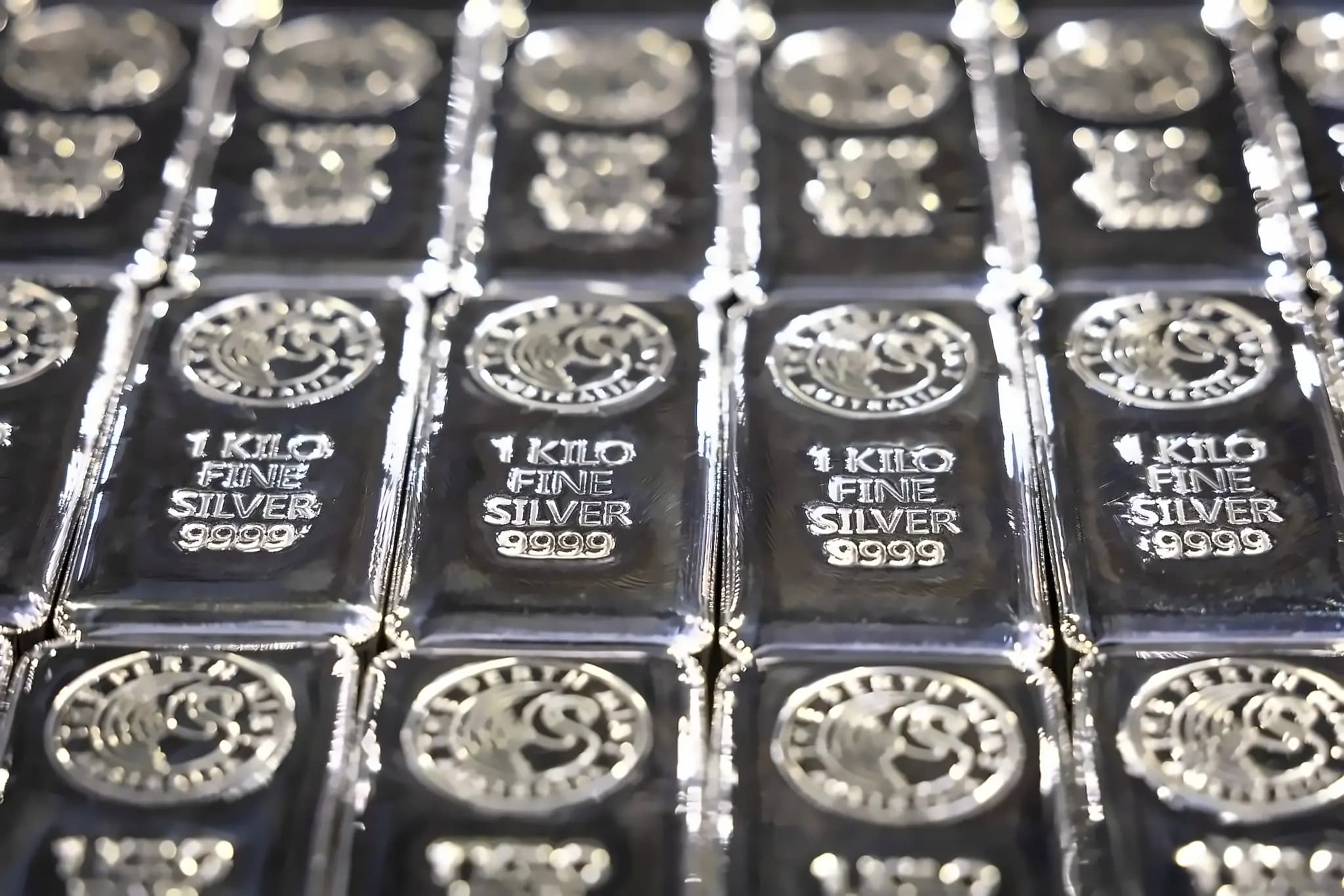
According to PTI reports, Indian households hold an estimated 25,000 tonnes of gold and approximately 250,000 tonnes of silver, representing a vast untapped recycling opportunity. Guha has called on the government to encourage silver recycling to help address potential supply-side constraints. MMTC-PAMP operates 20 stores for gold recycling that are being adapted to handle silver processing, with plans to double the store count over the next five years. The adaptation process requires equipment upgrades at existing stores, recalibration of machinery to handle silver as a metal, comprehensive staff training for silver processing, and technology investments at recycling and assaying centers. This substantial domestic reserve could contribute meaningfully to supply if effectively mobilized through recycling initiatives.
Latest import data underscores the surge in silver demand, with MMTC-PAMP importing 60 tonnes of silver during April-December of the current fiscal year, significantly exceeding 36 tonnes of gold imports over the same period. This represents a dramatic shift from the company's historical 1:1 gold-silver import ratio. For the full fiscal 2024-25, the company imported around 40 tonnes of gold and 50 tonnes of silver. As per PTI reports, Guha described the current silver demand as "overwhelming," reflecting broader market dynamics driven by both industrial applications and investment demand. The company primarily imports gold in dore form as a refiner, but the recent data clearly shows silver's dominance in current market conditions.
Beyond recycling initiatives, MMTC-PAMP is pursuing aggressive expansion across multiple business segments to capitalize on the precious metals boom. The company plans to significantly expand its minting operations, particularly in South and Eastern India, with capacity increasing from 2.4 million coins to 3.6 million coins annually. Digital commerce represents another key growth area, with enhanced operations planned through the company's website and major online marketplaces like Amazon and Flipkart. Multiple reports suggest that experts project continued structural demand for silver, driven by its essential role in green energy technologies including solar panels, electric vehicles, and electronics. This long-term demand outlook supports MMTC-PAMP's strategic focus on recycling and capacity expansion, despite potential near-term moderation following the sharp price rally.