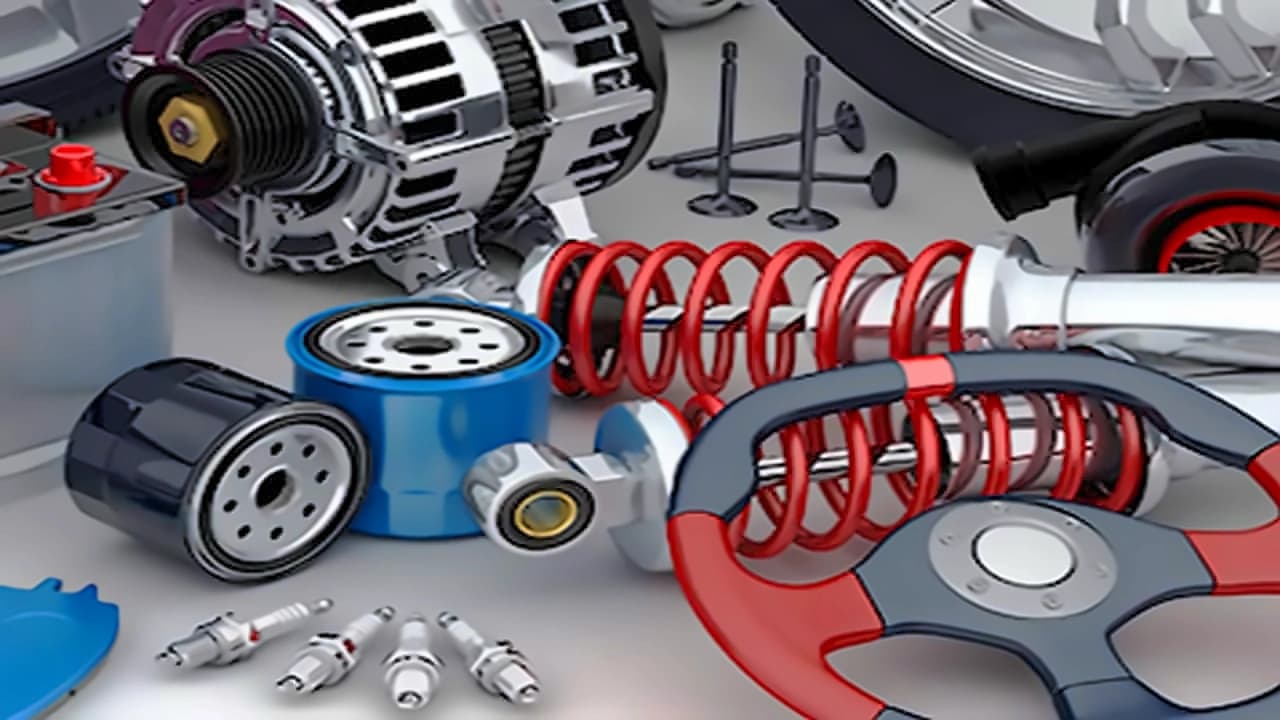
The recent GST reforms have significantly impacted the automotive stock market, with auto-component maker Minda Corporation positioned to benefit from the rate cuts. According to ETMarkets, the GST rate cut has triggered a sharp rally across auto and auto-ancillary stocks, with analysts pointing to valuation re-rating, margin expansion, stronger demand and replacement cycles as key drivers. The reforms, announced by Prime Minister Narendra Modi on August 15, 2025, and implemented from September 22, 2025, have created favorable conditions for auto ancillary companies like Minda. Among the beneficiaries, Sona BLW Precision Forgings emerged as the biggest gainer, rising 77.05%, while Samvardhana Motherson International followed with a 74.01% gain, and *Bharat Forge advanced 67.81%**. The GST reforms are expected to create a new leg of growth from EV content in vehicles and M&HCV replacement due to fleet modernization.
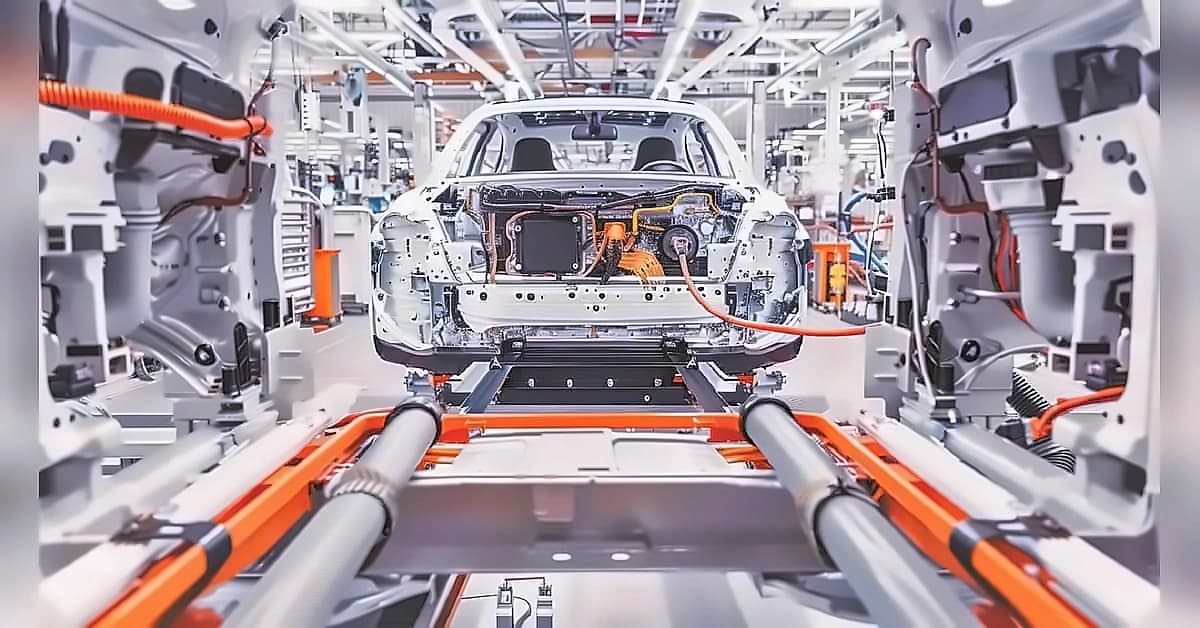
Auto-component maker Minda Corporation is targeting more than a twofold increase in exports to ₹1,500 crore over the next four years from around ₹600 crore currently, as reported by Business Standard. The company expects export growth to be driven primarily by its instrument cluster, wiring harness, electric vehicle (EV) and electronics businesses. Exports currently account for around 8-9 per cent of Minda Corporation's revenue, with nearly 90 per cent coming from the domestic market. The export push will coincide with a broader shift in the company's business mix towards higher-value products and four-wheelers, with the GST reforms creating additional demand for auto ancillaries and supporting volume growth across the industry.
The company is now heavily focusing on four-wheeler penetration as part of its growth strategy, according to Business Standard reports. Two- and three-wheelers currently account for around 42-43 per cent of revenue, while four-wheelers contribute about 20 per cent. Recent order wins, partnerships and new products are aimed at increasing the company's presence in the four-wheeler segment, alongside customer additions and premiumisation. The company is expanding its portfolio of technology-intensive products including TFT instrument clusters, smart-key systems, EV components, high-voltage connection systems and wiring harnesses, with the GST reforms expected to boost demand in this segment and support the company's focus on backward integration and deeper localisation to improve competitiveness.
EV-related products contributed nearly 14 per cent of group revenue in the first quarter, and the company expects this contribution to rise further as electric vehicle penetration increases, as reported by Business Standard. Its associate company Flash Electronics derives around 30 per cent of its revenue from EV-related products. The company is also expanding its portfolio to include sunroof systems, wireless chargers, antennas and body control modules to support its technology-intensive product strategy. The GST reforms are expected to accelerate EV adoption and create additional demand for EV-related components, with the company focusing on backward integration and deeper localisation to improve competitiveness and reduce dependence on imported components.
The company is expanding its manufacturing footprint to support growth with capacity utilisation across plants at around 75-78 per cent, according to Business Standard. Minda said the company typically begins planning a new plant when utilisation reaches 80-85 per cent. The company is setting up greenfield and brownfield facilities across its businesses including vehicle access, wiring harnesses, instrument clusters, EVs, die-casting and electronics. It has acquired land in Jewar and Aurangabad as part of its expansion plans, with the company typically investing around ₹400 crore annually in capital expenditure. The GST reforms are expected to support volume growth and justify further capacity expansion investments, with the company pursuing five key growth levers — volume growth, premiumisation, new products, new customers and higher market share.
The company is pursuing five key growth levers — volume growth, premiumisation, new products, new customers and higher market share — as reported by Business Standard. Alongside organic expansion, the company is also in discussions with multiple companies for potential projects, keeping acquisitions as another avenue for growth. Analysts identify Samvardhana Motherson International as a top pick citing its expansion into non-auto verticals and debt reduction. The GST reforms are expected to create a new leg of growth from EV content in vehicles and M&HCV replacement due to fleet modernization, with the company focusing on backward integration and deeper localisation to improve competitiveness and reduce dependence on imported components.