Shares of Hindalco Industries Ltd., National Aluminium Company Ltd., and Vedanta Ltd. surged up to 6% on Monday, March 30, tracking a sharp rally in global aluminium prices amid escalating geopolitical tensions in West Asia. According to reports from CNBC TV18, The Economic Times, and The Edge Communications, the rally came after Iran's attacks on key production facilities heightened concerns over supply disruptions in a region that accounts for a meaningful share of global output. NALCO shares jumped more than 6% to trade at around ₹395 apiece, while Hindalco shares gained over 5% to trade at nearly ₹913 apiece. The shares were the top gainers on the Nifty Metal index, which was the only sectoral index trading in the green amid an overall bearish sentiment on Dalal Street.
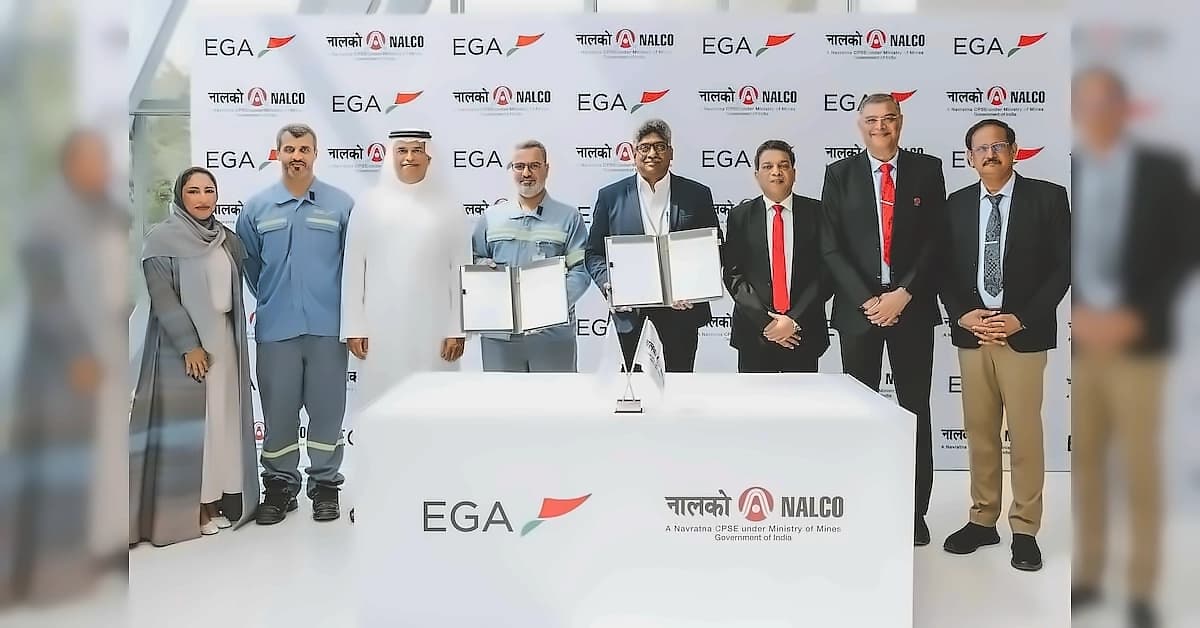
Over the weekend, Emirates Global Aluminium (EGA), the largest producer of the metal in West Asia, reported 'significant damage' to its plant in Abu Dhabi. As reported by CNBC TV18, The Economic Times, and The Edge Communications, Aluminium Bahrain also said it is assessing the extent of damage to its facility. While both companies confirmed damage to their plants, neither has clarified whether production has been disrupted. Aluminium Bahrain, which runs the world's largest single-site smelter, has already begun shutting smelting lines representing 19% of its capacity earlier this month, with the latest damage likely to have a further impact on operations. The war in the Middle East had already pushed up prices of aluminium — used in cars, planes and solar panels — as smelters in the region can't ship out metal or bring in raw materials.
The ongoing conflict has raised the risk of prolonged supply disruptions into 2026. According to CNBC TV18, The Economic Times, and The Edge Communications, recent production cuts in the region, including at Qatar's Qatalum and Aluminium Bahrain, have already tightened supply conditions. West Asia accounts for roughly 9-10% of global aluminium output, making it a critical region for supply. The conflict, now in its fifth week, has disrupted logistics through the Strait of Hormuz, a key shipping route, further amplifying supply concerns. EGA's Al Taweelah smelter, one of its key facilities, produced 1.6 million tonnes of aluminium in 2025, and the company has so far met customer demand through offshore inventory. The latest attacks risk making the situation worse by potentially knocking out supplies for a longer period, even if the Strait of Hormuz is reopened.
Aluminium prices on the London Metal Exchange rose as much as 6% to $3,492 per tonne in early trade, as reported by CNBC TV18, The Economic Times, and The Edge Communications. The metal, a key input for sectors such as automobiles, aviation, and solar energy, has seen prices rise amid these supply risks, even as uncertainty remains over the reopening of key trade routes. The latest surge has pushed aluminium prices to near four-year highs, with benchmark LME three-month aluminium reaching the highest level since March 19. On the cost side, rising energy inputs led by LPG and LNG shortages are supporting marginal cost curves and reinforcing price floors, partially offset by an emerging alumina surplus easing input pressures.
EGA's Al Taweelah smelter, one of its key facilities, produced 1.6 million tonnes of aluminium in 2025. According to CNBC TV18, The Economic Times, and The Edge Communications, the company has so far met customer demand through offshore inventory. Separately, EGA also operates a recycling facility in Minnesota, US, which has benefited from higher domestic metal prices driven by tariffs under former US President Donald Trump. JM Financial advised caution, noting that supply disruptions are occurring at a time when demand momentum is weakening, thereby limiting sustained upside. The brokerage expects that while supply disruptions and cost pressures continue to provide a floor to aluminium prices, the balance is gradually shifting with demand sensitivity at higher price levels likely to drive increased volatility going forward.