McDonald's is facing a proposed nationwide class-action lawsuit in the US that accuses the fast-food giant of using an AI-powered pricing system to coordinate menu prices across its franchise network. The lawsuit was filed on October 2, 2026, in the U.S. District Court for the Northern District of Illinois and alleges that McDonald's violated Section 1 of the Sherman Antitrust Act by conspiring with independent franchisees to fix prices using algorithms trained on nonpublic data. According to the complaint, Illinois customer Michael Thomas alleges that McDonald's used confidential transaction data from across its restaurant network to generate location-specific prices for individual menu items, with the system operating since at least 2019. The lawsuit argues that the pricing tool is a significant factor in McDonald's price increases, with prices rising 40% between 2019 and 2024, and has undoubtedly increased more since then. As reported by Reuters, the case could set an early legal precedent for how AI-driven pricing tools are regulated across retail and other industries.
The lawsuit claims that McDonald's used AI algorithms to coordinate prices among franchises, with the system analyzing millions of transactions and estimating local customers' willingness to pay. As reported in the complaint, the AI pricing system is designed to guide prices at McDonald's nearly 14,000 restaurants across the US, with the system capable of producing different recommendations for nearby restaurants selling the same food. The case could potentially represent millions of McDonald's customers, according to the complaint filed in federal court. The lawsuit notes that other fast-food companies are also turning to AI to help with pricing and other operations, highlighting the industry-wide trend toward algorithmic pricing strategies. McDonald's has called the report "wrong" and denied that AI sets prices, stating that franchisees are the ones who ultimately make pricing decisions. The system allegedly applied to both franchises and company-owned restaurants, raising questions about whether AI boosts productivity and profits or violates current laws.
Recent price analysis reveals significant variation in McDonald's pricing across locations, supporting the antitrust allegations. A September 2026 review of prices on the McDonald's app found a company-operated restaurant in Fresno, California, selling a Big Mac for $5.69, while another company-run location about two miles away charged $6.89, representing a 21% price difference. McDonald's attributes these differences to local operating costs, competition and other market conditions, but the lawsuit argues that sharing location-specific price recommendations across independently operated restaurants amounts to coordination prohibited by antitrust law. The lawsuit alleges that franchisees are now required to use the consultant and tools, with McDonald's tracking adherence to pricing rules, effectively removing control from individual franchisees. The case could reshape how artificial intelligence is used in business far beyond fast food, as AI-based lawsuits are bound to move across a huge number of industries.
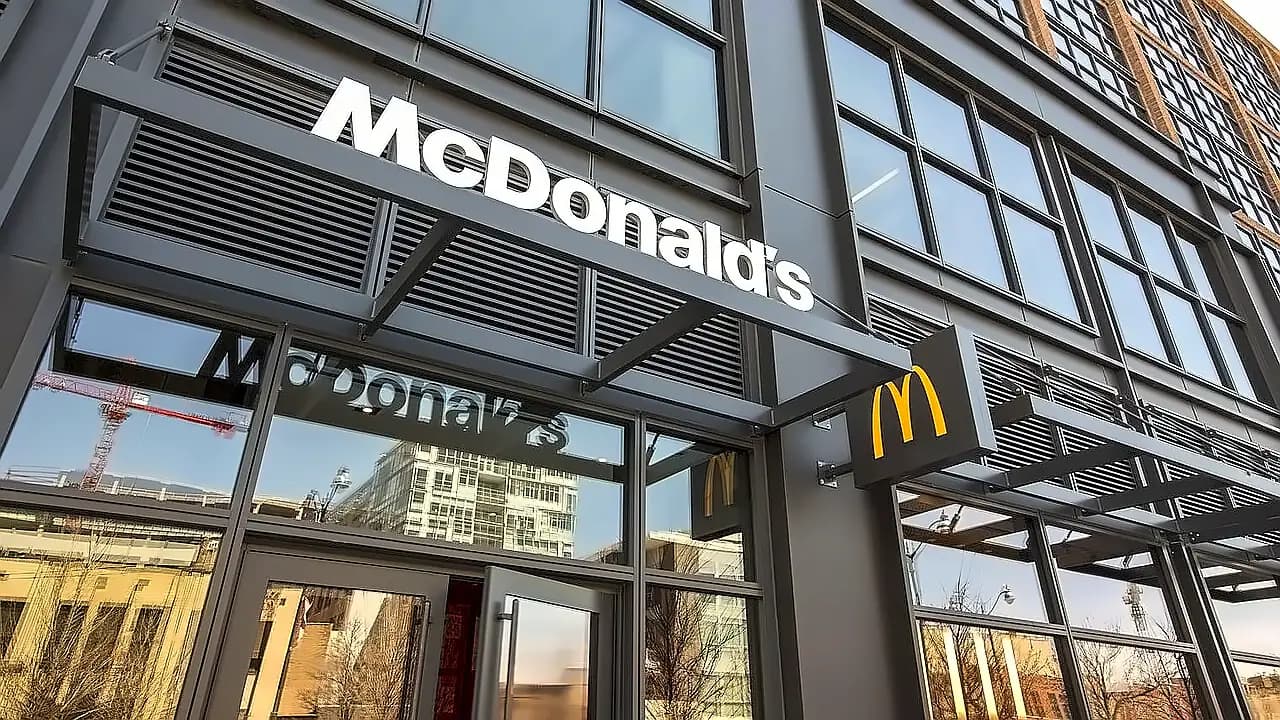
McDonald's has strongly denied the allegations, calling them speculative and uninformed in a statement. The company stated that "AI does not set the price of a Big Mac or any other menu item" and emphasized that franchisees make their own pricing decisions. McDonald's described its AI-powered tools as recommendation systems that account for local market conditions and said franchisees retain final pricing authority. The company also disputes allegations that participation in the pricing system became mandatory in January 2026, stating that franchisees have always had the option to use or not use the company's pricing tools. McDonald's noted that only 60-65% of operators follow pricing recommendations on a $3 and Under menu, with company executives periodically lamenting that franchisees don't follow recommendations enough. The use of AI across many industries raises questions about whether it boosts productivity and profits or is used to violate current laws, with the McDonald's case potentially providing an early answer to these regulatory questions.
The legal challenge centers on allegations that McDonald's violated US antitrust laws through its AI-driven pricing strategy. According to the complaint filed in federal court, Thomas alleges that McDonald's used algorithms trained on nonpublic data to coordinate pricing across its franchise network, with the system generating location-specific price recommendations that franchisees shared across independently operated restaurants. The lawsuit specifically argues that "independent businesses must set their prices independently," challenging McDonald's use of algorithmic coordination across its franchised system. The complaint seeks damages for affected customers and a court order barring the alleged conduct, with Thomas needing to persuade the court to certify the proposed class before pursuing claims on behalf of McDonald's customers nationwide. The lawsuit alleges that McDonald's warns its franchisees that the pricing portal could run afoul of antitrust laws, stating "McDonald's and its franchisees have colluded to fix prices for consumers." If allowed, the outcome could change retail considerably, as AI has already proven itself to be a massively useful tool for efficiency and may replace many workers at McDonald's locations.