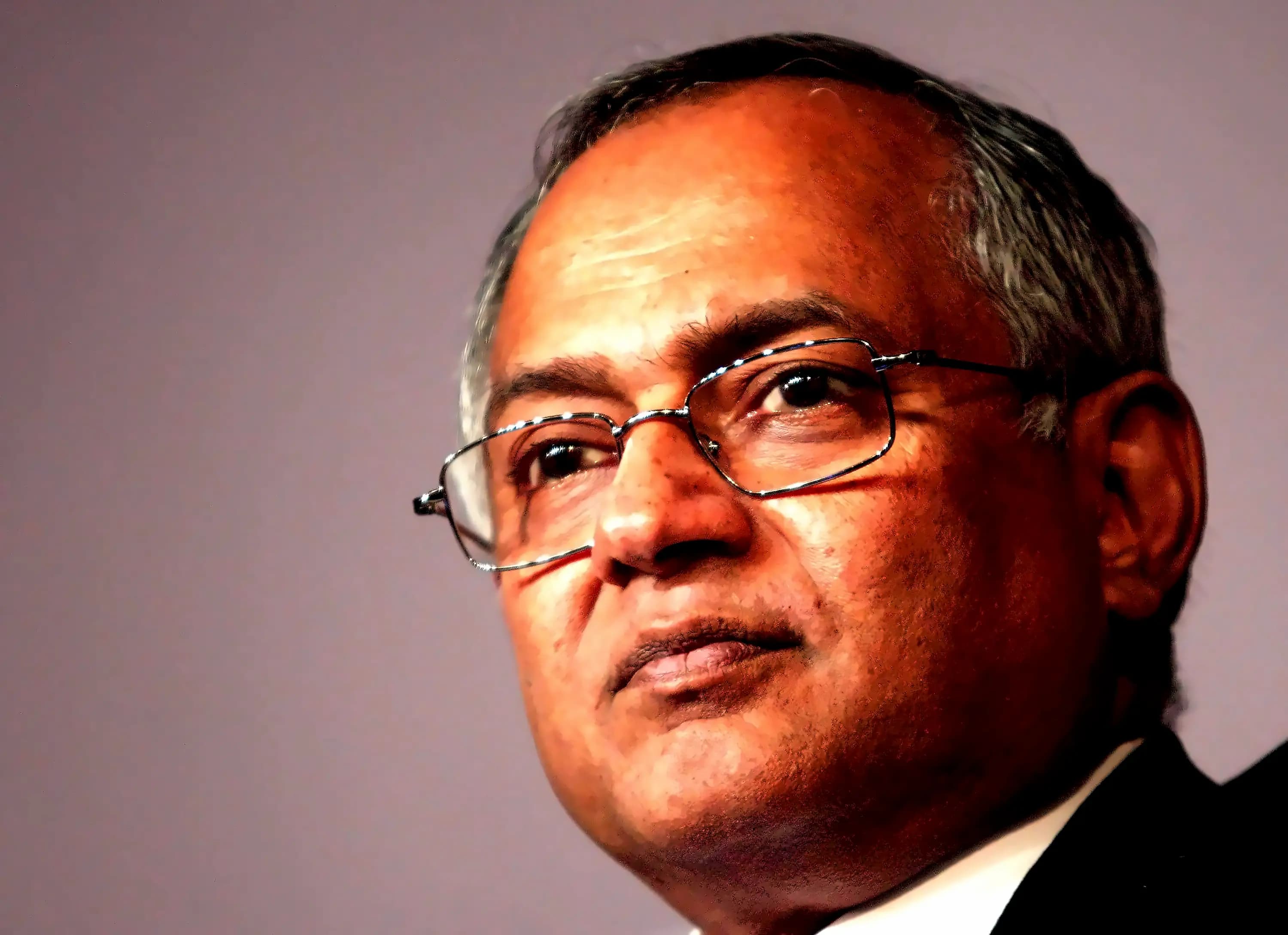
At the India-Japan Summit, Maruti Suzuki CEO Hisashi Takeuchi outlined a distinct approach for India's green mobility transition that diverges from traditional electric vehicle adoption. According to reports from the summit, Takeuchi emphasized that India's coal-heavy power mix and vast agricultural economy create unique circumstances that warrant a different strategy beyond EVs alone. As reported by summit attendees, he stated that EVs will remain an important part of the future, but India's specific circumstances create opportunities for other technologies, particularly bio-CNG. This alternative approach addresses the country's energy infrastructure challenges while maintaining focus on sustainable mobility solutions.
Speaking at the summit, Takeuchi highlighted bio-CNG as a key component of India's green mobility transition strategy. As reported by summit attendees, he stated that EVs will remain an important part of the future, but India's specific circumstances create opportunities for other technologies, particularly bio-CNG. This alternative approach addresses the country's energy infrastructure challenges while maintaining focus on sustainable mobility solutions. Takeuchi emphasized that India is one of the largest agricultural countries with significant agricultural waste availability, stating "India is one of the largest agricultural countries. And because of that, there are a lot of agricultural waste available in India. And we can change this agricultural waste into wealth."
Takeuchi pointed to significant infrastructure barriers that complicate EV adoption in India. According to his comments at the summit, around 75% of India's electricity generation comes from coal-based thermal power plants, creating environmental concerns for EV charging infrastructure. This coal dependency makes traditional EV charging problematic from an ecological perspective, supporting the case for alternative green mobility solutions. Takeuchi noted that "EV looks like a perfect answer, but right now it is not really the ecological solution," highlighting the practical challenges in implementing EV infrastructure in India's current energy landscape.
Maruti Suzuki has already begun implementing bio-CNG solutions through practical initiatives. The company has started collecting cow dung in Gujarat to produce biogas, which can then be used as fuel for CNG vehicles. According to Takeuchi, nearly 40% of Maruti Suzuki's sales are CNG cars, giving the company an existing platform to scale the technology. He argued that using cow dung and agricultural waste such as paddy straw could potentially create a carbon-neutral mobility pathway while also addressing environmental problems associated with methane emissions and crop burning. Takeuchi explained that "By utilizing those waste of like paddy straws, we can make this paddy straw into CNG, bio CNG once again," demonstrating the company's commitment to utilizing India's agricultural resources for sustainable fuel solutions.
The CEO's remarks suggest Maruti Suzuki is positioning itself for a multi-technology approach to India's green mobility future. As reported by summit participants, Takeuchi acknowledged that EVs look like a perfect answer, but right now it is not really the ecological solution, indicating the company's recognition of the practical challenges in implementing EV infrastructure in India's current energy landscape. The broader strategy encompasses both traditional CNG vehicles and emerging technologies, with Takeuchi emphasizing that "India, because it's a unique country, it's a big country, it's a big agricultural country, and we can have a slightly different path." He noted that India has a huge potential with car penetration still at around 34 vehicles per 1,000 people, far below developed markets, suggesting substantial room for growth in the automotive sector.