Mahindra & Mahindra Financial Services delivered impressive financial performance in Q2 FY27, with standalone net profit surging 55% to ₹882 crore compared to ₹569 crore in the corresponding quarter of the previous year. On a consolidated basis, net profit rose 61% to ₹911 crore, with consolidated total assets growing 21% to ₹1.80 lakh crore. However, the company has flagged weakening tractor demand and softer festive vehicle financing, warning that drought-related repayment pressures could emerge over the next two months despite strong September-quarter lending growth and improving asset quality.
The company's core banking income also showed robust growth, with net interest income increasing 17% to ₹2,822 crore from ₹2,112 crore in Q2 FY26. As reported by Business Standard, net interest margin remained unchanged at 7% in Q2FY27 compared with the year-ago quarter, reflecting the company's ability to maintain healthy interest margins and grow its lending portfolio effectively. Provisions and write-offs declined 16% to ₹630 crore from ₹751 crore, while credit cost moderated significantly to 1.6% of average total assets from 2.2% a year earlier.
Speaking to analysts during an earnings call, Managing Director and Chief Executive Raul Rebello said vehicle sales activity and financing volumes during the first 10 days of Navratri were below last year's levels. Asked which segments were most affected, he responded, "Maybe tractors have seen a little more decline than last year." Tractor disbursements grew 13% to ₹1,979 crore during July–September, compared with overall financing increasing from ₹13,514 crore to ₹16,499 crore, an increase of 22%. Passenger vehicle financing grew 28% to ₹6,826 crore, while three-wheeler lending increased 32% to ₹664 crore. Commercial vehicle and construction equipment financing rose 16% to ₹2,657 crore, indicating uneven growth across vehicle categories.
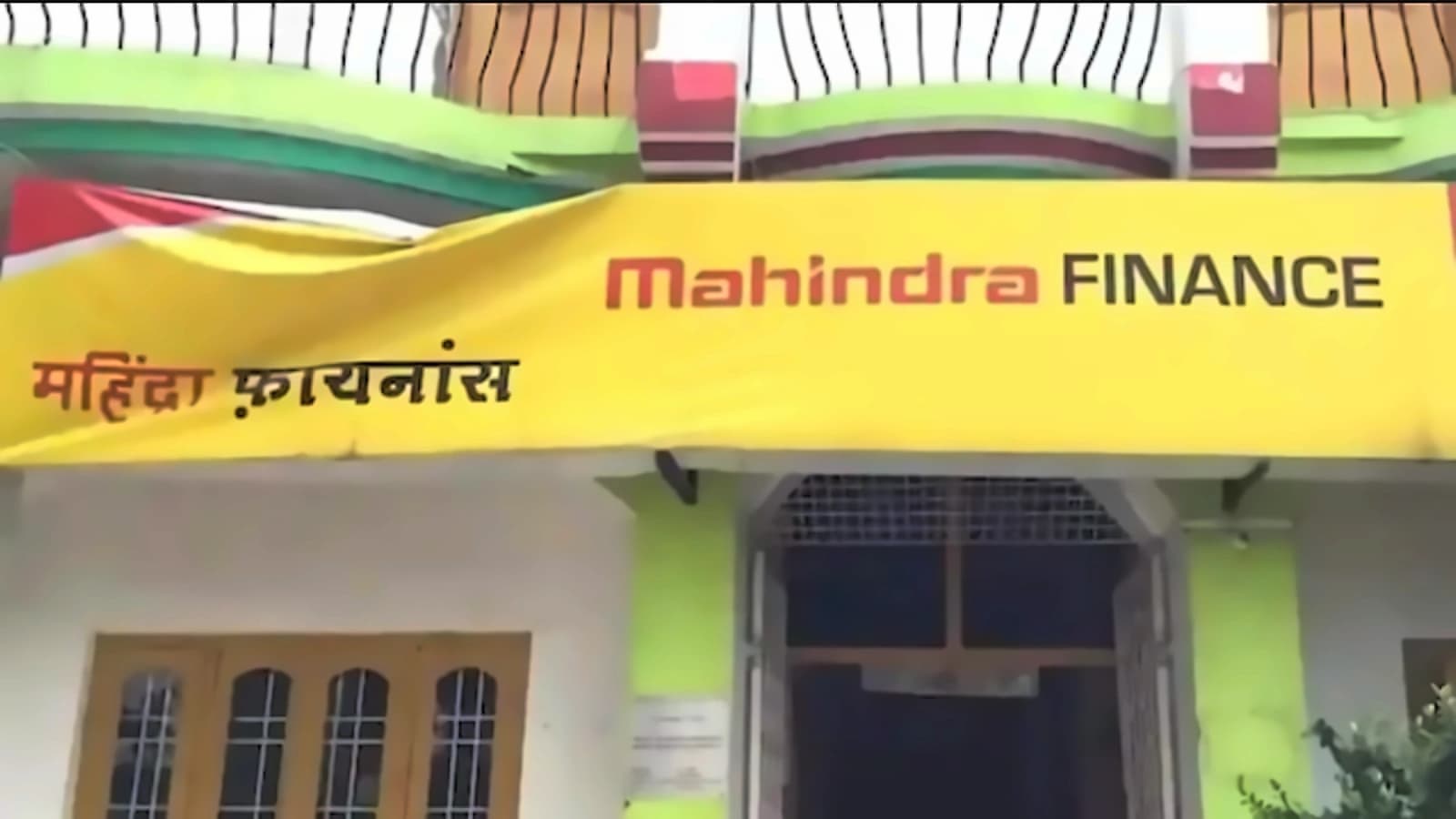
Rebello said vehicle registrations in rural and semi-urban markets grew slightly faster than urban markets through September, suggesting drought conditions had not yet undermined overall rural demand. However, he cautioned that drought-related repayment pressures could emerge over the next two months. The company is monitoring drought conditions across three States and 282 districts, where agricultural incomes influence vehicle purchases and loan repayments. Asked whether drought-related stress was already affecting collections, Rebello said it was too early to assess the impact because tractor borrowers typically repay half-yearly instalments linked to the Kharif and Rabi harvests. He indicated that some repayment delays would not be surprising as farmers adjust spending priorities but distinguished delayed payments from permanent defaults.
Combined Stage 2 and Stage 3 assets declined to an all-time low of 8.1%, with Stage 3 falling three basis points and Stage 2 seven basis points sequentially. Credit cost stood at 1.6%, within the company's unchanged guidance of 1.3–1.7%. The company's capital adequacy ratio stood at 18%, including Tier-I capital of 16.2%, while its business assets under management increased 15% year-on-year to ₹1.46 trillion. Mahindra Finance has curtailed lending in selected stressed locations, strengthened collection teams and retained a ₹852-crore management overlay against potential disruptions. The December–January repayment cycle will establish whether weaker tractor sentiment translates into loan stress, testing the company's ability to sustain growth without compromising asset quality.