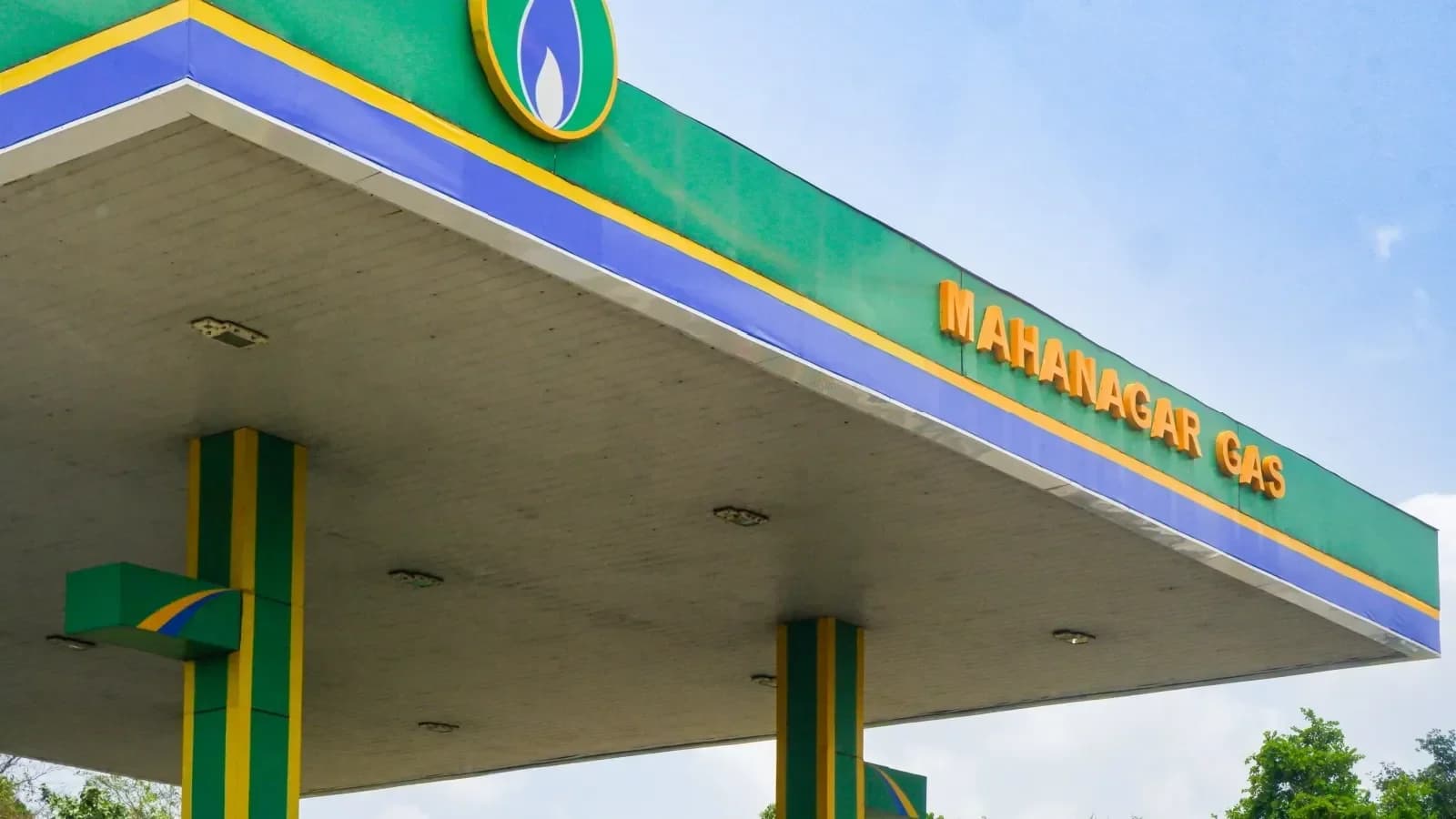
Mahanagar Gas Limited has announced the immediate suspension of all support schemes and subsidies for its customers, as reported by the company. The decision comes as the ongoing conflict in West Asia continues to exacerbate the global energy crisis, with the company making the announcement on Monday, May 25. The subsidy withdrawal includes the absorption of downstream piping costs and monthly bill subsidies for self-funded installations, representing a comprehensive halt to all customer support measures.
The suspension affects all support schemes and subsidies that were previously available to Mahanagar Gas customers. According to the company announcement, these benefits have been halted with immediate effect, meaning customers will no longer have access to the previously available support measures. The company has expressed regret over the inconvenience caused to its customers, as it tightens its financial belt amid rising crude prices and the challenging global energy environment.
The policy change is directly attributed to the ongoing conflict in West Asia, which continues to exacerbate the global energy crisis. The announcement comes after the US and Israel attacked Iran, resulting in retaliatory strikes across West Asia and the closure of the Strait of Hormuz, a key oil shipping route. This geopolitical development has significantly impacted global energy markets and forced companies like Mahanagar Gas to reassess their operational strategies and customer support programs. The Strait of Hormuz is a critical waterway facilitating nearly one-fifth of global oil shipping, making its closure particularly significant for energy markets worldwide.
The subsidy withdrawal announcement comes days after Mahanagar Gas hiked CNG prices by ₹2 per kg across the Mumbai Metropolitan Region. The new rates came into effect from May 14, taking the cost to ₹84 per kg. At that time, the firm had cited higher gas procurement costs, rising crude oil prices, rupee depreciation, and global energy supply disruptions due to West Asia tensions as reasons for the price increase. The combination of price hikes and subsidy suspensions reflects the company's efforts to manage costs amid challenging market conditions as the West Asia conflict continues to impact global energy markets.