LVMH reported organic sales growth of 1% to €18.5 billion ($20.7 billion) in Q3, missing analyst expectations of 1.3% growth according to Visible Alpha consensus. The world's largest luxury group's fashion and leather goods division, which generates nearly half of group revenue, posted a 5% fall in organic sales against an expected 1.8% decline. As reported by Bloomberg, LVMH Moët Hennessy Louis Vuitton SE experienced a double-digit decline in Q3 sales in China, contributing to the overall regional performance. The company's US-listed shares fell nearly 3% following the trading update publication.
According to reports from Bloomberg, LVMH Moët Hennessy Louis Vuitton SE experienced a double-digit decline in Q3 sales in China, contributing to a 5% drop in organic revenue across Asia. The luxury giant's Chief Financial Officer Cecile Cabanis told analysts that overseas purchases by Chinese shoppers also declined by a mid-single-digit percentage. As reported by Bloomberg, the sales slump showed a pullback from traditional high spenders, with demand weakening especially in fashion and leather goods categories. According to UNN Economy, the group, which traditionally relies on big-spending consumers, also saw overseas sales decline, with purchases by Chinese shoppers abroad falling by several percentage points. According to the latest results, demand from Chinese customers was down in the midteens, confirming the stalling in already fragile recovery momentum from earlier in the year. As Cabanis explained to analysts, "In the third quarter specifically, Asia was penalised by a sharp macro-led deterioration in Chinese consumer sentiment, with a tangible impact on discretionary expenses."
The luxury industry is viewing the China sales decline as particularly concerning since the country last year fueled an industry-wide rebound. According to Bloomberg reports, Louis Vuitton is considered a bellwether for the luxury segment, and lower sales signal trouble for competitors Kering SA (owned by Yves Saint Laurent) and Hermès International SCA, which are due to report earnings later this month. As noted by Livemint, 25 of the largest luxury labels saw sales drop by over 10% in July, highlighting the broader impact across the sector. As Bloomberg Intelligence analysts noted, LVMH's renewed growth in revenue and earnings per share this year "has become unstable" as China's slowdown deepened in the third quarter. RBC Capital Markets confirmed that these results "confirm a stalling in already fragile recovery momentum from earlier in the year," with analysts expecting modest pressure on LVMH and luxury peer group stocks. The report from the world's largest luxury group is likely to heighten concerns that the $350 billion luxury industry, mired in a three-year slowdown, will struggle to regain momentum.
According to Livemint reports, broader economic slowdown and consumer wariness has impacted luxury product demand in China. The report indicates that many consumers are restricting spending and choosing cheaper, local brands, while tougher taxation and stock market weakness has caused some pullback among richer consumers. As Cabanis explained to analysts, "The news flow from China over the summer was not particularly good. So it really affected positive sentiment and created a short-term subdued environment in China." As UNN Economy reports, consumer caution amid the broader economic downturn is restraining domestic spending and prompting some shoppers to turn to cheaper local brands. The recent weakening of the stock market and tighter taxation of overseas assets are putting pressure on some of the country's wealthiest consumers. Among the negative factors impacting China, analysts highlighted a Chinese tax crackdown on wealthy individuals and the fallout of Louis Vuitton's trademark dispute with Chinese tea chain Molly Tea, which sparked a nationalistic backlash. The China's tax crackdown on wealthy individuals has become the latest headache for luxury brands, which are already grappling with the fallout from the Iran war and signs of slowing consumer spending in the US.
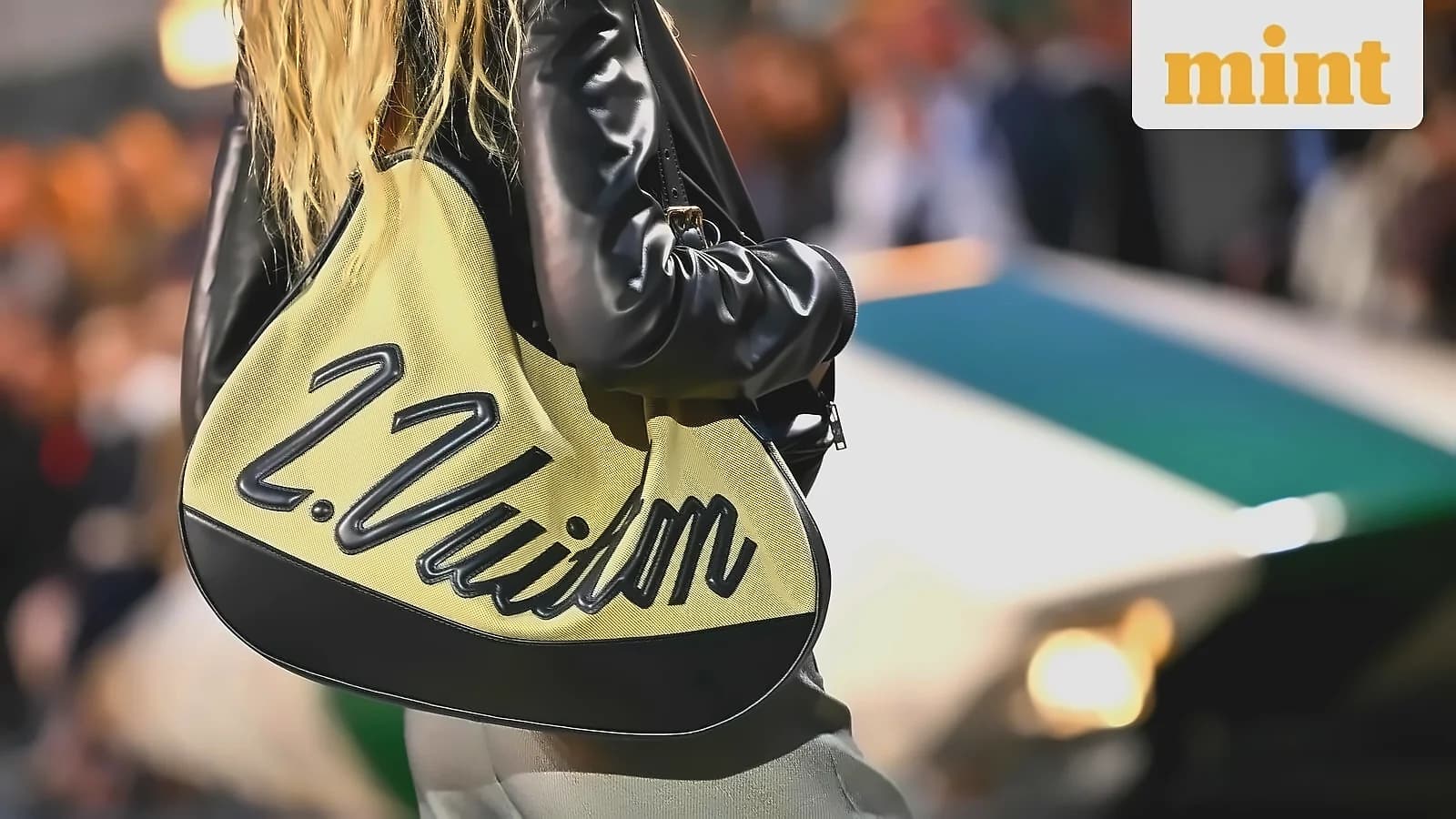
Notably, Louis Vuitton has faced public backlash in China after being involved in a trademark dispute with local chain Molly Tea. According to Livemint reports, Cabanis said it was difficult to quantify the impact, but the customer pushback hurt the brand's sales at least at the start of the quarter. She noted there was a shift in the Chinese consumer backdrop, stating "We need to do more, but we have not stopped investing in China." As UNN Economy reports, Louis Vuitton also faced a public backlash following the trademark dispute with local tea shop chain Molly Tea, which drew criticism in China during the quarter and added pressure on LVMH's largest brand. The dispute triggered a debate over cultural ownership and created significant negative impact on Vuitton's sales in China at the beginning of the third quarter. LVMH's fashion and leather division is dominated by Louis Vuitton, by far the group's largest brand, which has faced a backlash over a copyright dispute with tea chain Molly Tea, which used a logo resembling the floral motif used on Louis Vuitton's signature monogram handbags.
The slowdown in Chinese demand contrasted with spending by US customers, which rose by several percentage points. As reported by Livemint, Jacques Roizen, co-founder of Shanghai-based consultancy Foresight Performance Partners, noted that "Everybody's having a tough time. LVMH as a portfolio of scale is such an industry index, and the other luxury listed companies are not going to significantly outperform that." According to UNN Economy, the downturn in China is occurring against the backdrop of an overall slowdown in the luxury goods market, which is facing pressure from the conflict in the Middle East and cost-of-living concerns. Europe's leading luxury groups have lost around €330 billion in market value since the start of the year, with LVMH alone shedding roughly 40% of its value. Cabanis also indicated that the pressure was temporary, citing a one-off logistics disruption that cost "a bit more than a point of growth" in the quarter. However, HSBC last month downgraded LVMH's stock to Hold from Buy, lowering its price target to 490 euros from 600 euros, citing the weight of the fashion and leather goods unit.