India's luxury wedding market is experiencing a significant transformation as the West Asia conflict forces families to reconsider overseas celebrations. According to reports from Mint, the luxury wedding segment generated ₹6.5 trillion in 2025, compared with ₹5.9 trillion in 2024, as reported by the Confederation of All India Traders. With limited luxury properties capable of hosting large celebrations, the shift is giving hotels greater pricing power. Room rates at some five-star properties have risen, while expenses on décor, entertainment, food and manpower are also increasing, according to wedding planners. The global attention gained from high-profile weddings like the Anant Ambani-Radhika Merchant marriage in 2024 has changed India's wedding industry perception internationally, as reported by Forbes India.
Rajasthan is gaining significantly from the shift, with stronger demand for palace properties and five-star hotels in Udaipur and destinations such as Alsisar. As reported by Mint, room rates at some properties in the northern desert state have risen 30-50% from last year. Monil Shah, founder and CEO of Mumbai-based Kkings Events, told Mint that "International weddings are almost entirely gone for us this year, and weddings in India are back." Devanshi Patel, founder of Mumbai-based Shreem Events, confirmed that a Chennai couple moved their wedding to Jaisalmer this season instead of celebrating in the UAE. According to WeddingSutra, Udaipur, Jaipur, Jodhpur and Jaisalmer offer palace hotels, heritage, architecture and dramatic landscapes, with Udaipur's top palace properties now largely accessible only to UHNIs in peak season due to capacity constraints.
The increase in hotel tariffs represents only one component of rising wedding costs. According to Mint reports, room rates during the auspicious wedding season are up 10-16% from last year, particularly at palace hotels in Rajasthan and five-star hotels in metros. Rahool Macarius, market managing director, Eurasia, Wyndham Hotels & Resorts, noted that room tariffs have increased by 10-15%, food and beverage costs by 10-14%, and expenses across décor, floral arrangements and event production by 12-15%. At the luxury end, some top-tier hotels are quoting room rates of as much as ₹1.4 lakh a night, with other costs extra. As reported by WeddingSutra, a hotel charged ₹30,000 for bed and breakfast one year and ₹65,000 the next, representing a 100% increase in a year. Beyond accommodation, expenses related to food, beverage, décor, entertainment, transportation and guest logistics are also evaluated before making final destination decisions.
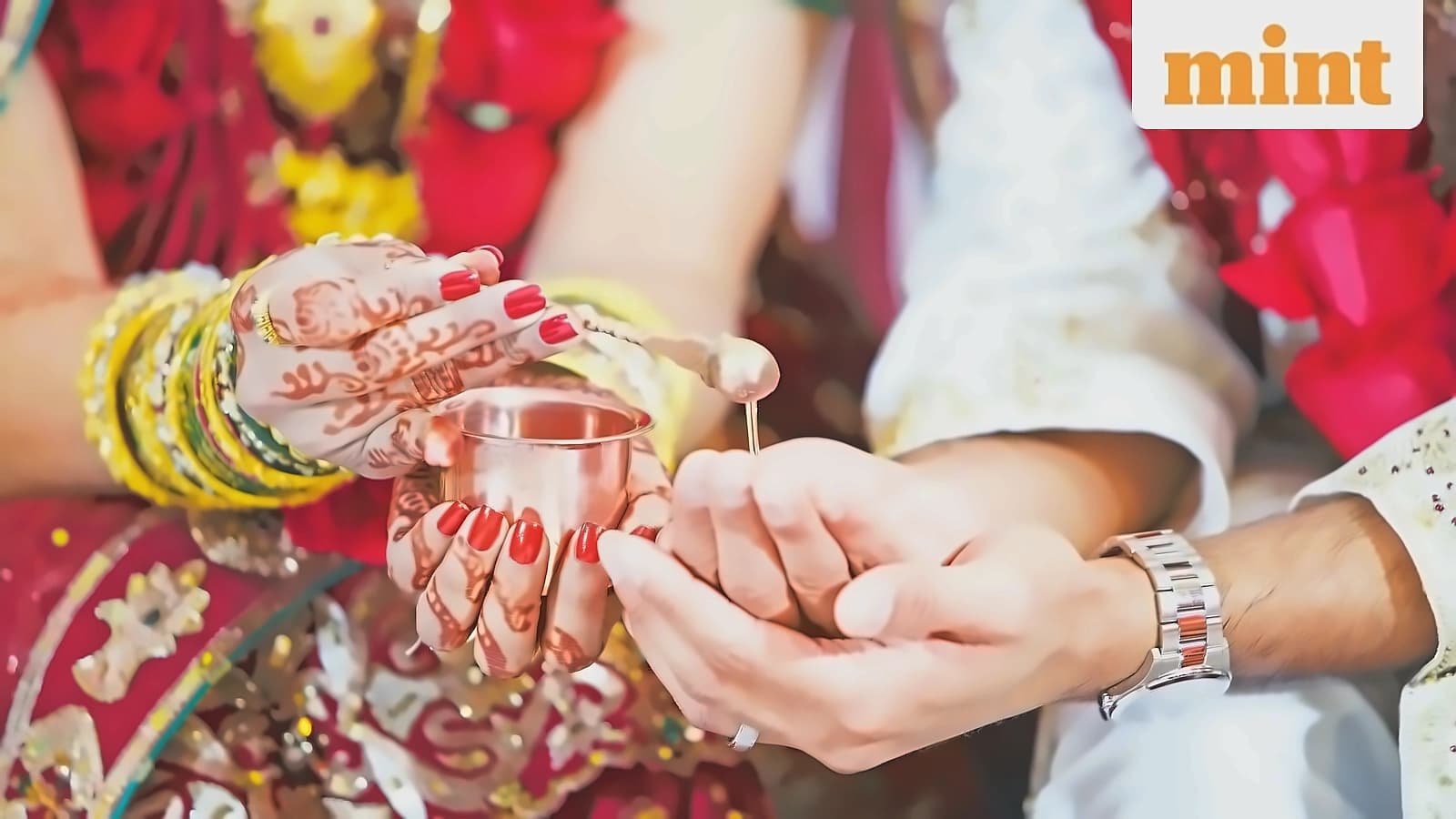
Families are not necessarily cutting spending but becoming more selective about where money is allocated. As reported by Mint, some are spending more on design and décor across four to six functions instead of inviting more guests. Mukta Kapoor, founder of Delhi-based Yuna Weddings, noted that clients are being more careful with menus but continue to choose quality food and established vendors. She estimates that the cost of putting together an event has risen 10-15%, with an upcoming wedding at a hotel in Alsisar expecting accommodation costs of ₹1-1.5 crore for 100 rooms depending on scale. According to WeddingSutra, the emphasis on personalisation has made luxury Indian weddings more labour-intensive than ever, with florists, fabricators, musicians, technicians and hospitality teams collaborating to create experiences. The Covid phase opened a new segment of intimate weddings with budgets around ₹5 crore for 100 people, while weddings with 600-800 guests are again being hosted with budgets averaging ₹15-20 crore among Shah's clientele.
The shift presents significant revenue opportunities for hotel companies beyond traditional accommodation bookings. According to Mint reports, Wyndham Grand Udaipur Palace recorded fourfold revenue growth over the past year, while Ramada by Wyndham Lucknow Hotel and Convention Center registered 16.5% revenue growth, with 130 weddings booked for 2026. Indian Hotels Co Ltd reported booking 95 wedding nights for this season, compared with the usual 60-65 nights. The WeddingSutra Annual Luxury and Destination Weddings Survey 2026 found that around 50% of UHNIs choose destination celebrations for at least a pre- or post-wedding event, compared with 12% of HNIs. Demand is calendar-bound in India, mainly between mid-January and early May, with February particularly busy. The concentration of auspicious wedding dates is also influencing demand, with November and December having about 11 auspicious dates this year, keeping demand spread out in the January-April 2027 window.