Logistics companies are implementing significant price increases as operational costs surge. Blue Dart has announced a 9-12% increase across its domestic portfolio from 1 January 2027, while Mumbai-based Emiza has revised prices by 10-15% over the past few months, citing higher labour costs and temporary workforce shortages. According to reports from Mint, quick-commerce-focused logistics provider Zippee is considering selective festive-season pricing adjustments in regions where demand and operational requirements warrant them. The pressure comes as logistics providers contend with rising costs across labour, warehousing and last-mile delivery. With Brent crude hovering above $100 per barrel amid escalating tensions between the US and Iran and disruptions around the Strait of Hormuz, companies across fast-moving consumer goods (FMCG), paints, apparel and other consumer-facing sectors are grappling with higher input and logistics costs.
Ajay Rao, founder and CEO of Emiza, attributed disruptions in LPG and fuel availability in April and May to workforce availability challenges across locations, leading to temporary manpower shortages. As reported by Mint, the company relied on additional overtime and local workforce deployment, which increased operating costs. Statutory wage revisions in states such as Haryana also contributed to cost increases, with these changes being transparently communicated to customers. Zippee's founder and CEO Madhav Kasturia noted that last-mile delivery remains the biggest source of cost pressure, with order volumes across the network growing 4.5 times during the festive period. According to Anand Rathi Share and Stock Brokers Limited, the pressure on consumer companies is likely to emerge across multiple cost categories, with FMCG demand projected to grow 9-11% during the August-November festive window.
According to Aakash Agrawal, associate director for digital and new-age business at Anand Rathi Investment Banking, logistics accounts for 10-20% of e-commerce businesses' costs, particularly for brands with low average order values and high order volumes. As reported by Mint, brands are unlikely to respond uniformly, with some reducing discounts, introducing delivery charges, or revising minimum order values. Sakksham G, a seller of fashion and accessories, said he would avoid raising prices during festive months to minimize demand risk, planning to increase prices by 7-10% on mid-range products priced between ₹800 and ₹1,500 starting January. Higher logistics costs could prompt brands to reassess where faster delivery makes commercial sense. However, Tanvi Kanchan from Anand Rathi cautioned that while festive demand can protect revenue, probably not margins, as volume can't fully offset input inflation hitting every unit sold.
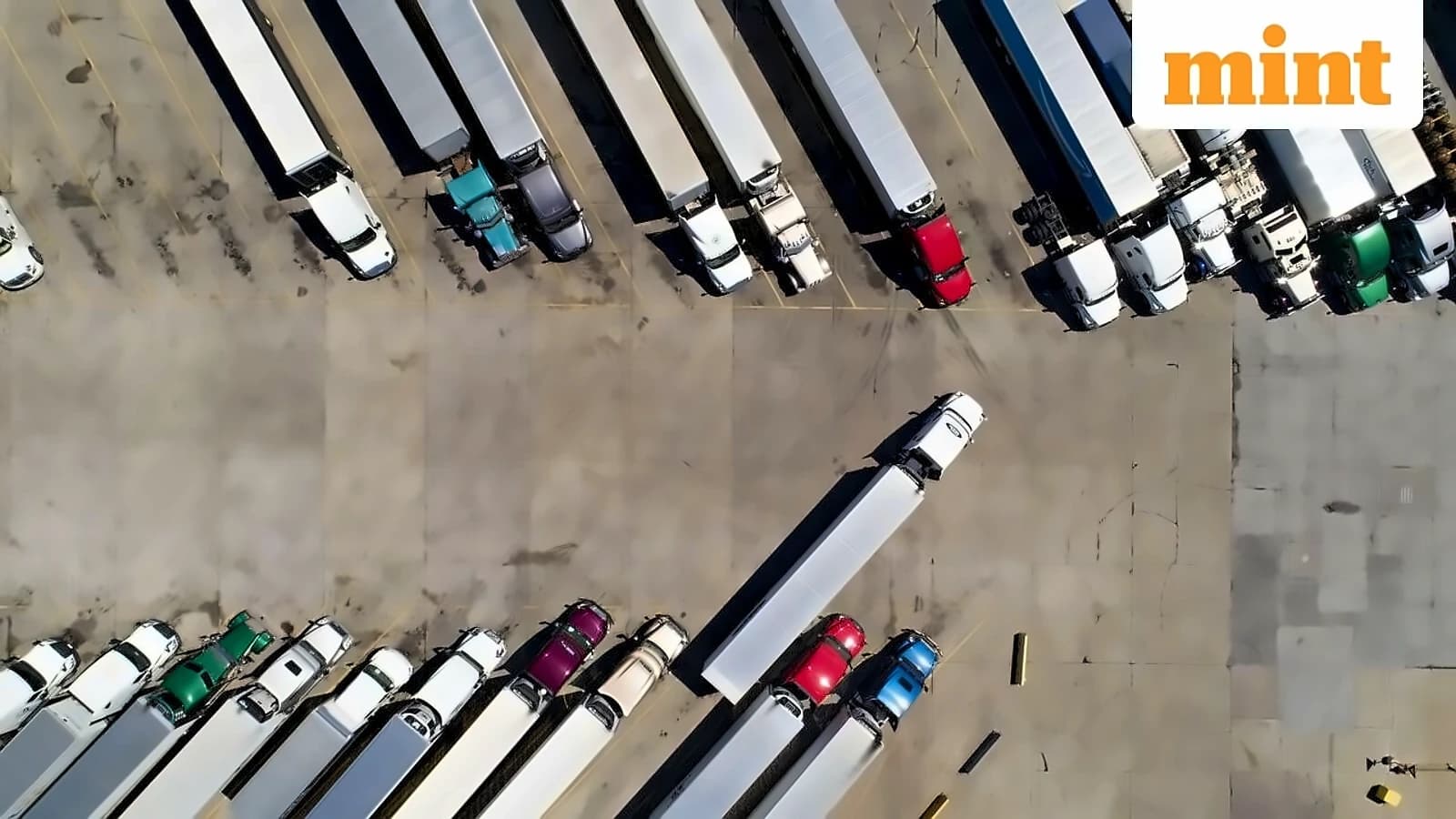
Logistics providers are investing in technology to improve operational efficiency. Emiza's Rao said the company is working to expand its use of warehouse-management technology, automation and workforce planning to improve productivity and reduce losses. Shiprocket's CEO Atul Mehta highlighted that failed and delayed deliveries add to cost burden, with reverse logistics alone costing ₹40-60 per shipment and repackaging adding another ₹15-25 per unit. As reported by Mint, such expenses can further erode seller margins, making the effective cost per delivered order rise to ₹85-110. Indian D2C brands collectively lose over ₹8,000 crore annually to return-to-origin shipments, highlighting the importance of improving delivery reliability. The combination of higher living expenses and costlier credit could prompt households to prioritise essential purchases over discretionary spending, making it harder for companies to rely on festive demand alone to offset the oil shock.
Listed logistics stocks have shown divergent performance recently. Shadowfax shares have gained about 168% since their January 2026 listing, while Delhivery has declined around 13% over one year and Blue Dart about 17%. Shiprocket, which went public in August, was trading near ₹134 on 12 October, compared with its IPO price of ₹97. According to reports from Mint, rising logistics costs could push businesses to focus more on order profitability, inventory placement and fulfilment efficiency rather than simply maximizing order volumes. The benchmark Nifty 50 has declined around 14% so far in 2026, with elevated crude prices, a weakening rupee and sustained foreign investor outflows adding to market volatility.