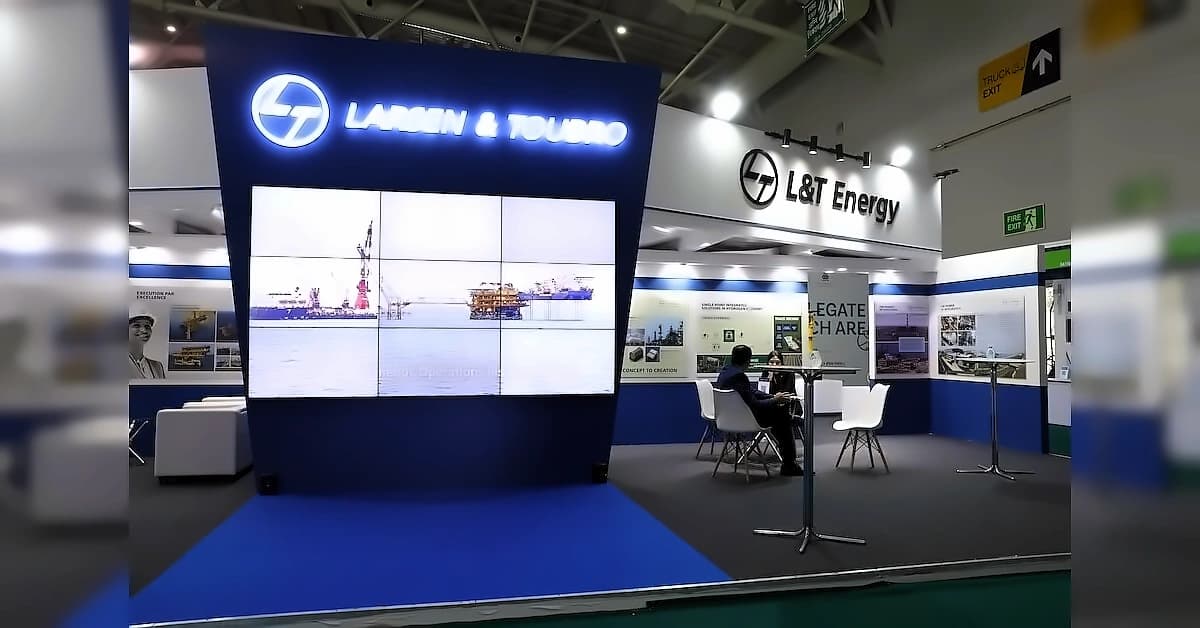
Larsen & Toubro Ltd. is preparing to bid for the government's ₹7,280 crore ($764 million) incentive scheme aimed at building domestic capacity for rare-earth magnets, marking a significant diversification for the engineering giant beyond its traditional construction and heavy engineering businesses. According to people familiar with the matter, as reported by Bloomberg, the conglomerate is preparing a bid for the government's incentive policy for such magnets, asking not to be identified because the deliberations are private. The move would mark a diversification for India's largest infrastructure company beyond its traditional lines of businesses such as construction, heavy engineering and industrial projects. The company will need to secure a technology partner with necessary expertise for this high-precision engineering sector.
The program has received 15 bids so far, including one from a consortium comprising Japan's Proterial Ltd. and two Indian automakers, as reported by Bloomberg. L&T's move would support its own plan to build next-generation electric vehicle traction motors locally, with the company having partnered with Israel-based EVR Motors for this initiative. The company's EPS Mobility unit secured its maiden commercial order to supply 500,000 such motors to a two-wheeler manufacturer over three years, with L&T confirming this development in its earnings call last month without naming the client. The plan also dovetails with the company's proposed investment in motors for electric vehicles, which rely on rare-earth permanent magnets.
India approved a seven-year program including ₹6,450 crore in sales-linked incentives and ₹750 crores in capital subsidies last year to boost magnet production, according to The Economic Times reports. The country aims to establish domestic capacity of 6,000 metric tons annually, offering support to about five companies. The government hopes these incentives will encourage both domestic companies and overseas magnet makers to set up local production, reducing dependence on Chinese suppliers who control 90% of global output. The incentives will help loosen China's stranglehold over the critical industrial component, with Chinese suppliers having benefited from state support and economies of scale.
Besides electric vehicle motors, rare-earth permanent magnets are used in wind turbines, industrial robots and a range of electronics, as reported by The Economic Times. L&T's entry into this sector aligns with the government's initiative to build a domestic supply chain after China restricted exports of the critical component in April last year. The company's diversification into rare-earth magnets supports its broader electric vehicle strategy and positions it to benefit from the growing demand for domestic manufacturing capabilities. An L&T spokesperson did not immediately respond to a request for comment regarding the rare-earth magnet manufacturing plans.